




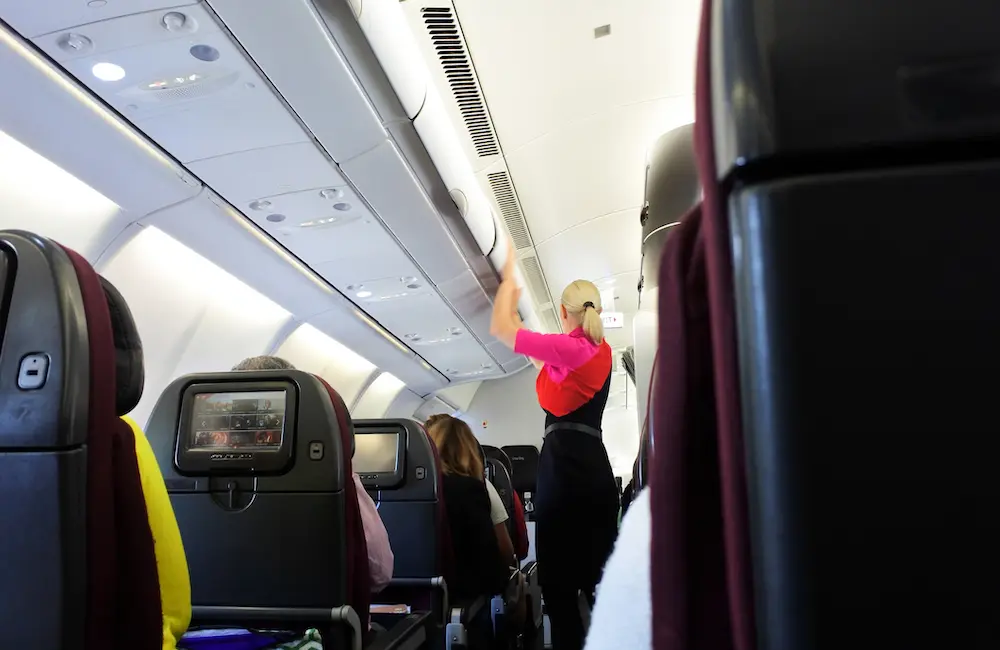
As fuel prices surge due to the ongoing Middle East conflict, Qantas says it will review its airfare pricing every two weeks and could cut flights.
Speaking at Tourism Australia’s Destination Australia conference on Thursday, Qantas International CEO Cam Wallace said that predicting airfares in the current market is “really challenging”.
“Costs have increased in a way that I’ve never seen in my 30 years in airlines,” he remarked.
“We’re going to have to keep looking at those fares on a bi-weekly basis and making calls, and then we’ll be looking at the market and seeing what’s happening with capacity as well and what’s happening to air corridors, so it’s far too volatile to pick.”

Wallace added that aircraft deployment is crucial in the current operating environment.
“We’re just keeping an eye on our markets and making sure we can deploy as much capacity as we practically can in the short term to get as many people where they want to go. And that includes looking at ways to find more capacity to get into Europe,” he said.
Meanwhile, Qantas Group subsidiary Jetstar told the ABC it could raise airfares and reduce its Easter schedule.
Karryon has reached out to Jetstar for further comment.

Last week, Qantas told Karryon it was upping its international fares in response to the spike in fuel costs.
Qantas’s European routes were running more than 90 per cent full in March, roughly 15 points above typical levels.
According to AFR, the flying kangaroo is confident fare rises and increased loads would be enough to offset growing fuel costs.
Update: Gulf carriers
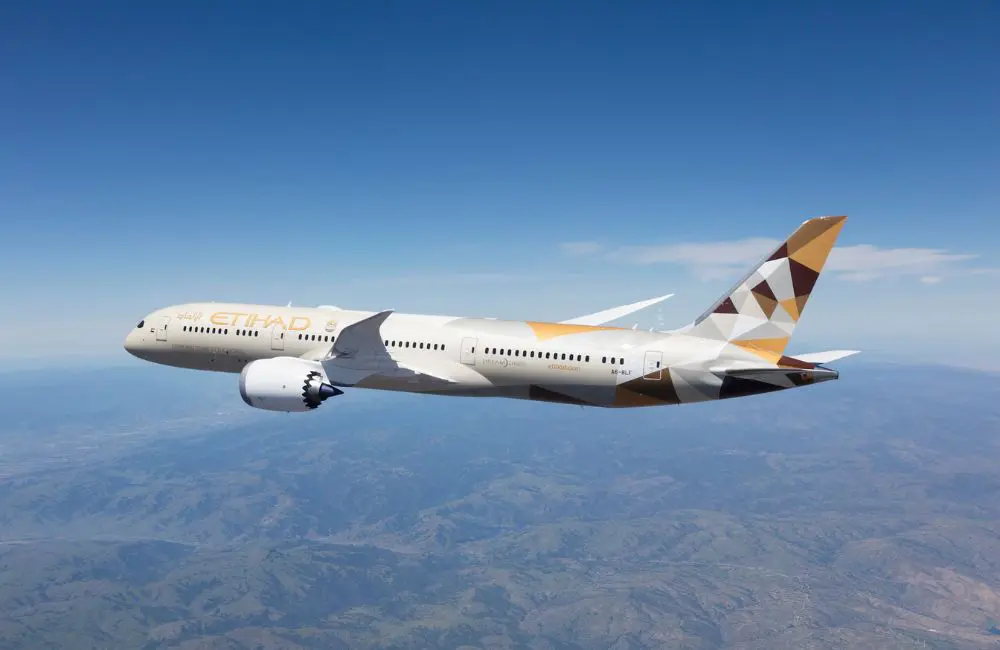
While the Aussie carrier experiences unusually high loads, its partner airline, Emirates, along with fellow Gulf carriers, Etihad and Qatar Airways, continue to operate on significantly reduced schedules.
With Middle Eastern airspace closures wreaking havoc with air traffic, the airlines’ hubs – Dubai, Abu Dhabi and Doha airports – remain largely closed. Emirates and Qatar Airways are operating just a handful of flights – mostly from Melbourne and Perth – before the end of the month, while Etihad will fly even less, according to the carriers’ websites.
Earlier this week, the Federal Government reminded Australians that its ‘Do not travel’ warning for large parts of the Middle East also applies to transit and layovers in affected locations.
As airlines adjust to ongoing disruption in Middle East airspace, Australian travellers are increasingly routing flights to Europe via Singapore. Read more about that here.
KARRYON UNPACKS: Volatile fuel costs and disrupted airspace continue to reshape aviation in real time. For travel advisors, it’s a reminder (if one were neede) that flexibility, on routes, timing and price is becoming essential.