




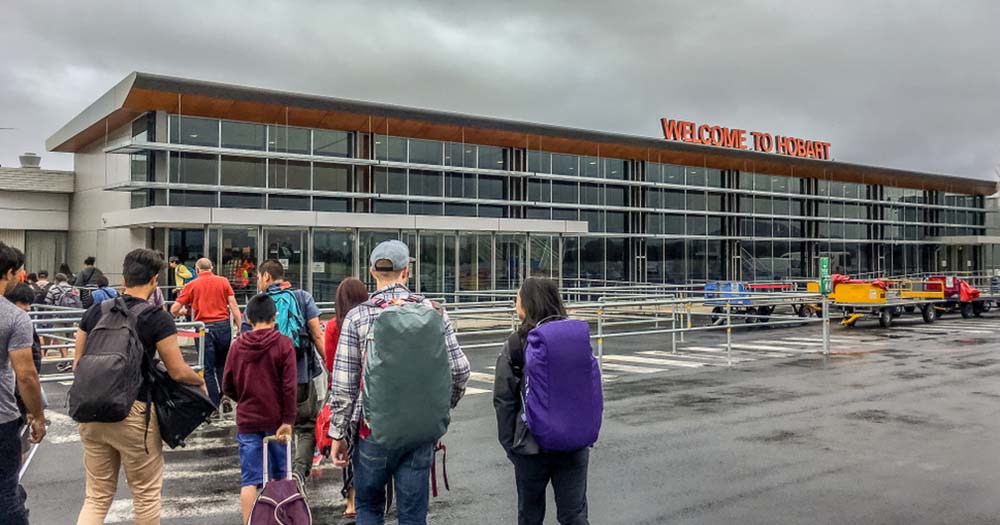
Qantas is ramping up capacity between Brisbane and Hobart, adding 40,000 extra seats and boosting the route to daily flights during the peak summer travel period.
The airline will operate daily services from 25 October 2026 to the April 2027 school holidays, before scaling back to four weekly flights until late August 2027.
“As an island state, we rely on strong capacity and frequent services to support our economy and ensure travel remains affordable and convenient for Tasmanians and visitors alike,” said Tasmanian Minister for Tourism, Hospitality and Events, Jane Howlett, attributing the delivery of the extra capacity to the State Government’s Aviation Attraction Fund, Qantas and Hobart Airport.
“This expansion reflects growing demand from south-east Queensland and delivers better connectivity, more choice and real benefits for travellers and our tourism industry,” she remarked.
“By increasing services, we’re driving visitation, supporting local jobs and creating more opportunities for Tasmanians.”

QantasLink CEO Mark Dal Pra confirmed the airline would use its A220 to grow capacity.
“Together with the Tasmanian Government and Hobart Airport we’re making it easier for Queenslanders to discover one of Australia’s most spectacular destinations ahead of the summer peak,” Dal Pra said.
“Feedback from customers on the A220 has been fantastic, with its spacious modern cabin, larger windows and fast and free wi-fi helping to make the journey more enjoyable.”

Brisbane Airport Executive General Manager Aviation, Ryan Both, said the new service would be a “fantastic boost for both cities”.
“Brisbane and Hobart already share a strong relationship, and these additional flights make it even easier for visitors and businesses to connect,” he remarked.
“The A220 is a great fit for the route, delivering a quieter, comfortable and efficient service.”
Hobart Airport CEO Norris Carter was equally buoyed by the added capacity.
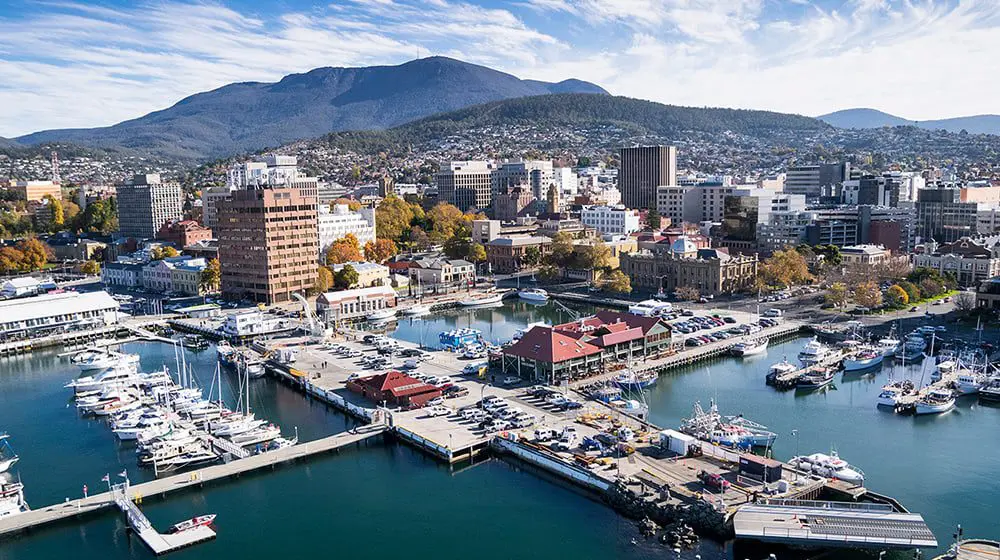
“More direct seats between Hobart and Brisbane is great news for travellers and for Tasmania’s visitor economy, and the Aviation Attraction Fund is a practical way to help add capacity where it’s needed most,” he stated.
“Brisbane is an increasingly important international hub, and this additional capacity will give Tasmanians more options to access Queensland and beyond, while making it even easier for visitors to fly direct into Hobart.
“This ongoing growth is why we’re investing $200 million to expand our terminal so that Tasmania remains connected and competitive.”
KARRYON UNPACKS: Tasmania’s aviation recovery increasingly looks like a strategic tug-of-war between states and airlines. More Brisbane flights mean more than convenience — they’re about tourism growth, connectivity and future-proofing visitor demand.