



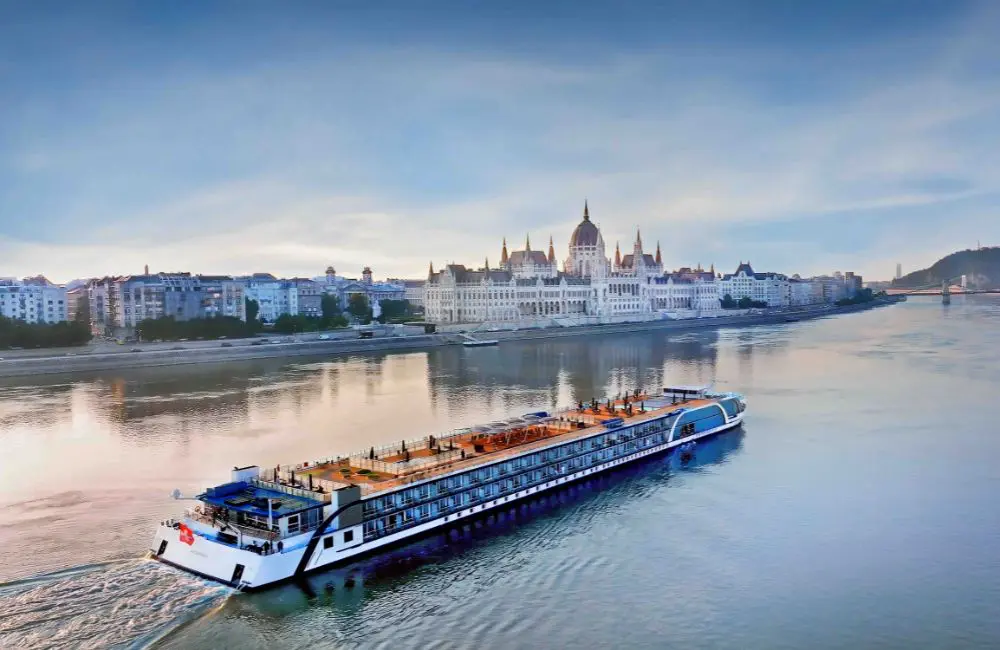
A pre-Christmas river cruise onboard AmaMagna sails through five Eastern European countries and reveals a complex web of history, uncrowded destinations and centuries of culture.
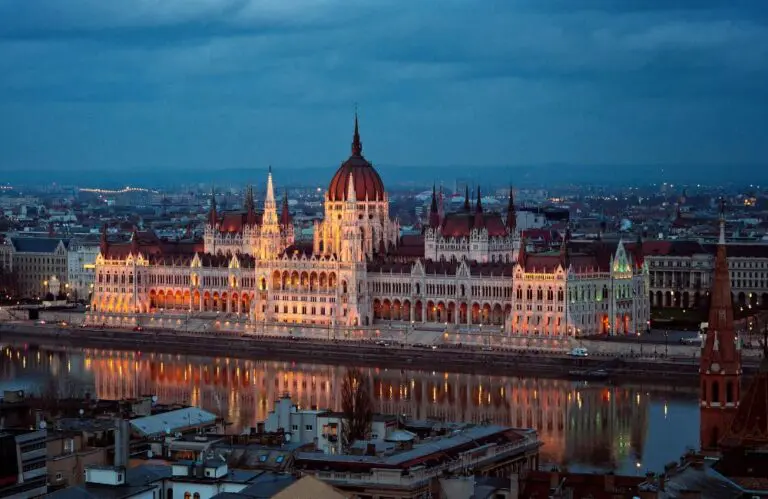
AmaMagna’s seven-night Danube cruise starts in Giurgiu, Romania, crosses the river to Rousse in Bulgaria and heads northwest to Budapest through vast swathes of rural Serbia, Croatia and Hungary.
Along the way, we visit cities and villages on a series of well-planned excursions that highlight the countries’ deeply entwined histories and cultures.
This mighty waterway, which flows from the Black Forest in Germany to the Black Sea in Romania, has been explored and settled by humans for some 44,000 years. The ancient Greeks navigated the Danube as far as the Iron Gates – now the border between Romania and Serbia – and forts built along the banks by the Romans formed the foundations of major cities such as Vienna, Bratislava, Belgrade and Budapest.
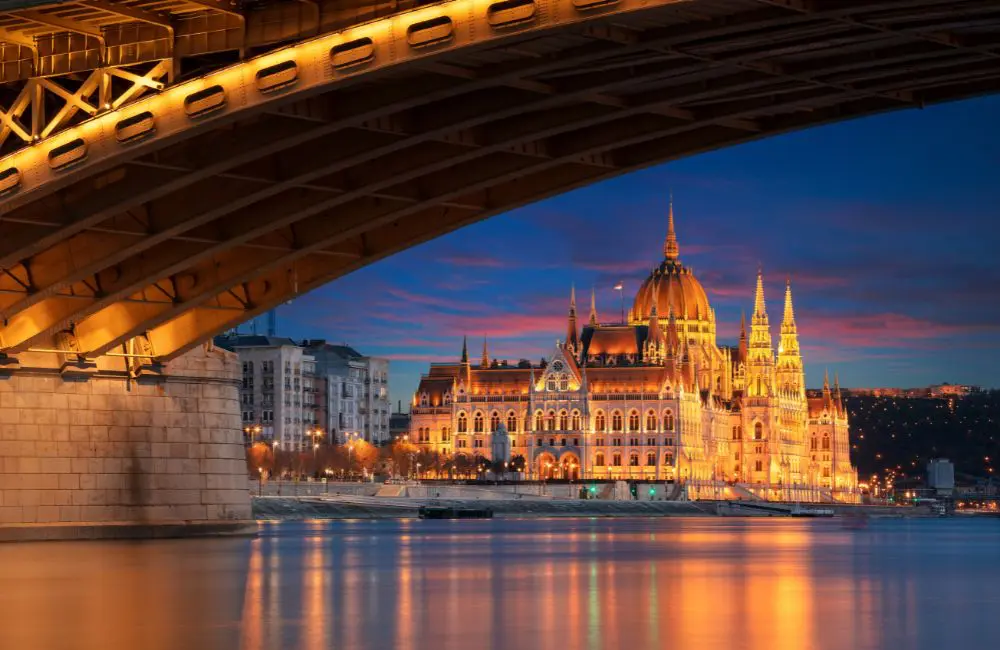
Knowledgeable tour guides take us through the centuries, from the fall of the Roman Empire to Austria’s Habsburg Empire, 500 years of Ottoman rule, two world wars, the rise and fall of Communism in Eastern Europe and more recent conflicts. There’s a lot to discover on this fascinating journey back in time – just don’t expect to absorb it all in a week!
The almost wintry weather means misty mornings, brisk breezes and softly muted autumnal colours along the riverbanks.
There’s a sprinkling of snow on the hills surrounding Belgrade, Christmas markets are opening and the warm, festive atmosphere onboard AmaWaterways’ magnificent flagship, AmaMagna, make this voyage very special.
Coolcations are set to be even more popular in the coming years so clients would be well advised to book early for next year’s Christmas cruises.
AmaWaterways’ Managing Director Australia/New Zealand Steve Richards says the cruise is also proving popular for next year.
“For 2026, we are tracking ahead of this year’s Christmas season with more capacity added for next year, which highlights the increased demand we are experiencing.”
Forts, frescoes and wines
There are several excursions to choose from at every port – as well as going your own way by ship’s bike or on foot – and they are graded gentle, regular and active.
In Rousse, Bulgaria, we have a choice of four full-day excursions. One is a city tour of Romania’s capital, Bucharest; one is a walking tour of the picturesque historic centre of Rousse and a hike to the rock-hewn churches near Ivanov; the other two are variations on a visit to Veliko Tarnovo, the former capital of the Second Bulgarian Empire.
There’s always that sense of FOMO, but Veliko Tarnovo is an easy choice as I’ve visited Bucharest and Rousse and interesting as they are, a new (old) destination calls.
Before we reach the centre of Veliko Tarnovo we stop at the tiny 13th-century church of Nativity of Christ in Arbanasi village. If its beautifully preserved frescoes from different eras are not compelling enough, three Orthodox priests glide into the church and perform an unaccompanied medley of haunting chants, just for us.
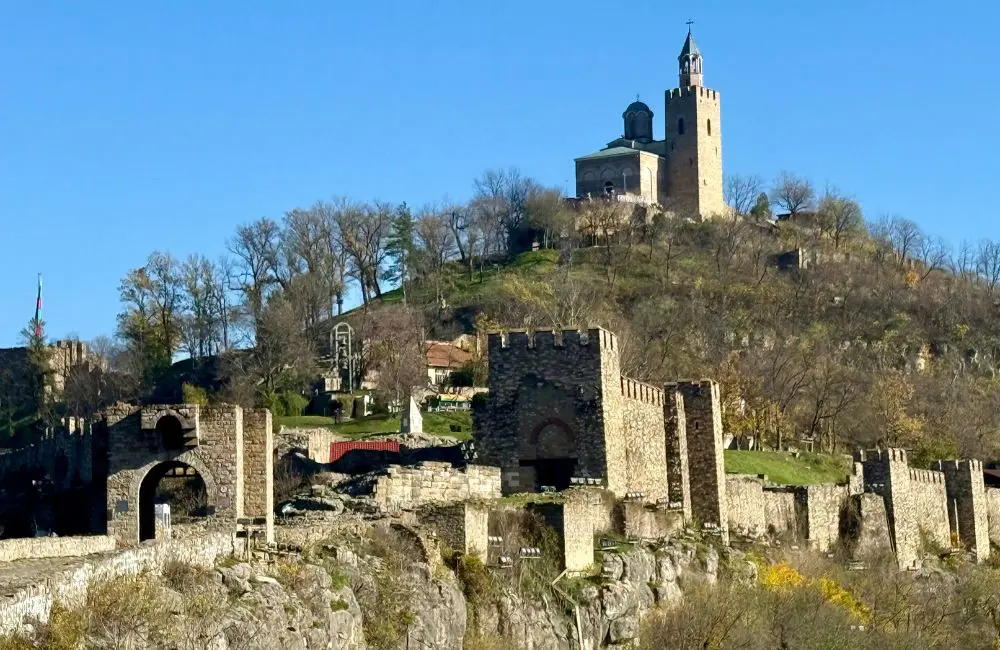
Following a lunch of traditional Bulgarian fare in a local hotel, we walk up to the imposing Tsarevets Fortress and have time to spare for browsing the Old Town’s Samovodska Charshia “artisan street”.
Rose oil is a major export from Bulgaria, Europe’s poorest country, so I am compelled to buy some – heaven in a small bottle.
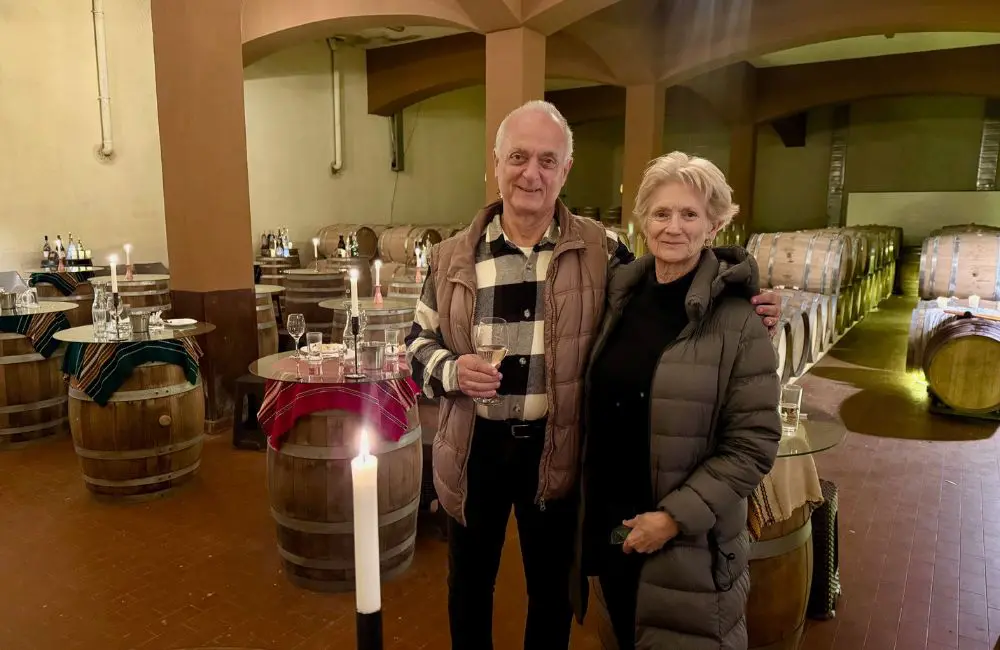
The small port town of Vidin we visit the next day is almost deserted when we stroll around the medieval Baba Vida Fortress en route for a wine-tasting at Dos Alamos, a winery on the outskirts of Vidin.
Husband-and-wife team Petko and Milena Michev own and operate the winery, which they rebuilt in 2014 to showcase Bulgaria’s renowned Gamza wines.
They provide an entertaining running commentary on the wines we sample, along with locally made Bulgarian cheeses and “not Bulgarian” olives.
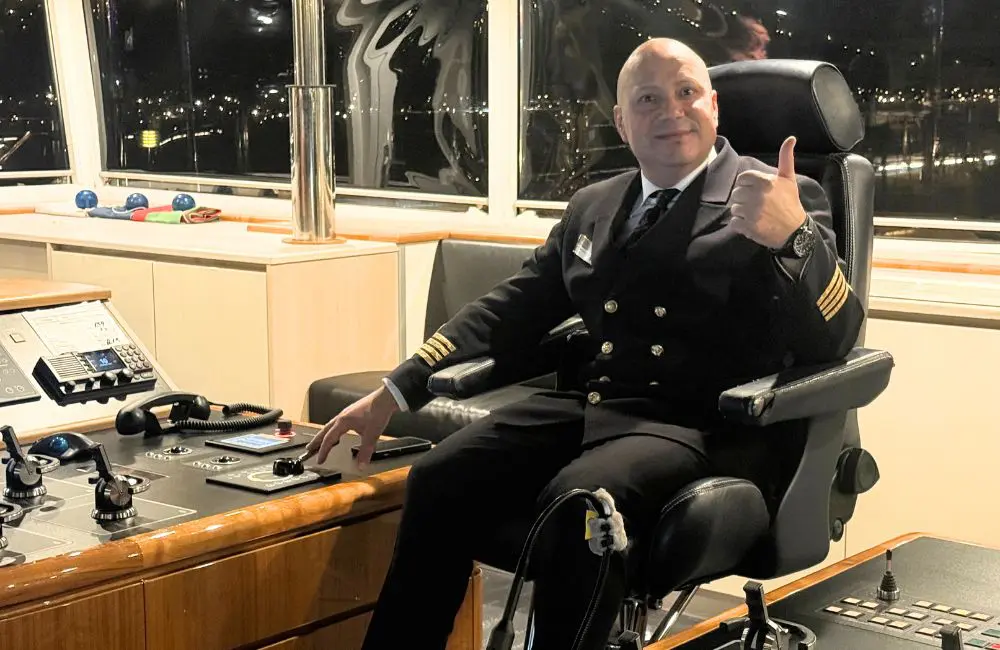
Captain’s choice: the Iron Gates
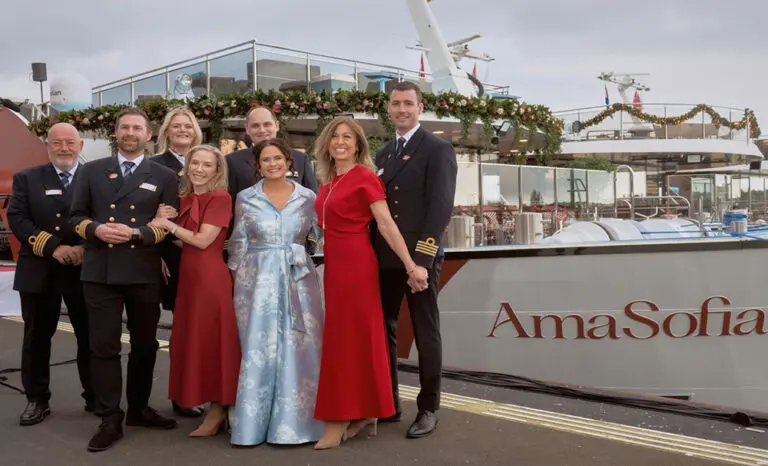
Captain Cristian Creteanu has worked for AmaWaterways for more than 12 years and what he doesn’t know about navigating the Danube could be written on the head of a pin. What are his favourite stretches of this sometimes challenging river?
“I love the Iron Gates area – the mountains, the cliffs and the history,” the Romanian native says.
“It’s dramatic and beautiful. I also enjoy the area between Budapest and Bratislava because it is full of culture and city life – but every section has something special. The eastern part of the Danube deserves more attention; it is less crowded compared to the western sections, and we are happy to share it with our guests.”
AmaMagna can transit just two out of 16 locks on the Danube because of her 22-metre beam: Iron Gates 1 and 2. We are up at dawn as the ship passes through the biggest lock, Iron Gates 1, a process that takes about 90 minutes.
Operating the double-wide AmaMagna requires some extra training for river ship captains – who have to qualify for licences to operate on every different river in Europe – but Captain Creteanu says that is no problem for experienced Danube navigators. When AmaMagna’s sister ship AmaRudi sets sail in 2027, don’t be surprised if you see him in the wheelhouse.
A taste of Serbia
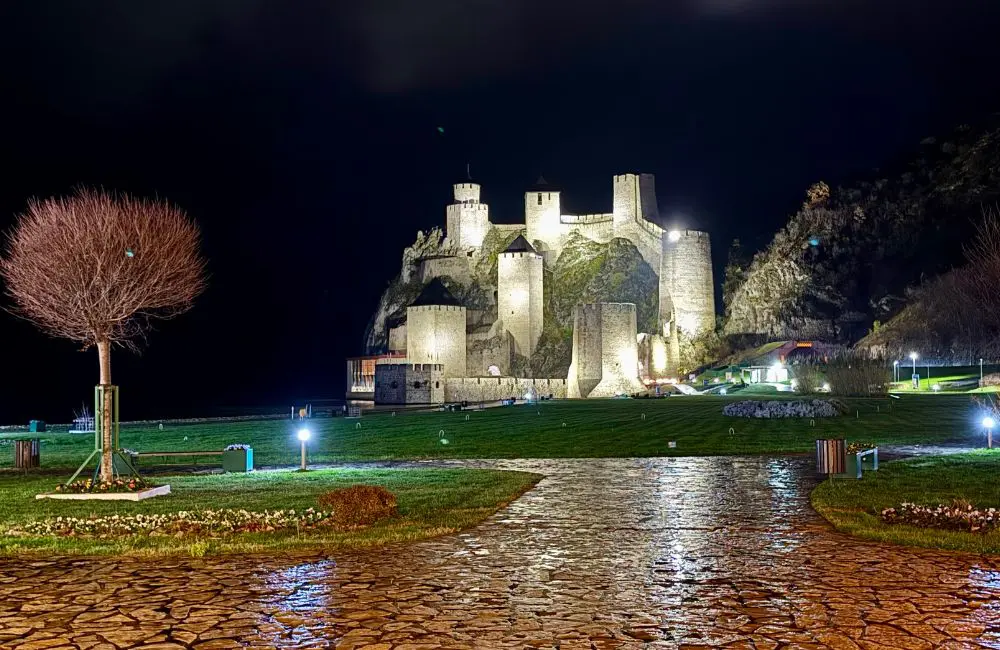
After a day’s scenic sailing through the Iron Gates, AmaMagna docks at dusk at Golubac in Serbia. The immaculately preserved 14th-century fortress comprises a palace, 10 towers and a museum/exhibition centre.
We see cannons, ancient weaponry, medieval artefacts and stunning views of the river, then wander over to the café to sample a spread of Serbian wines and local cheeses.
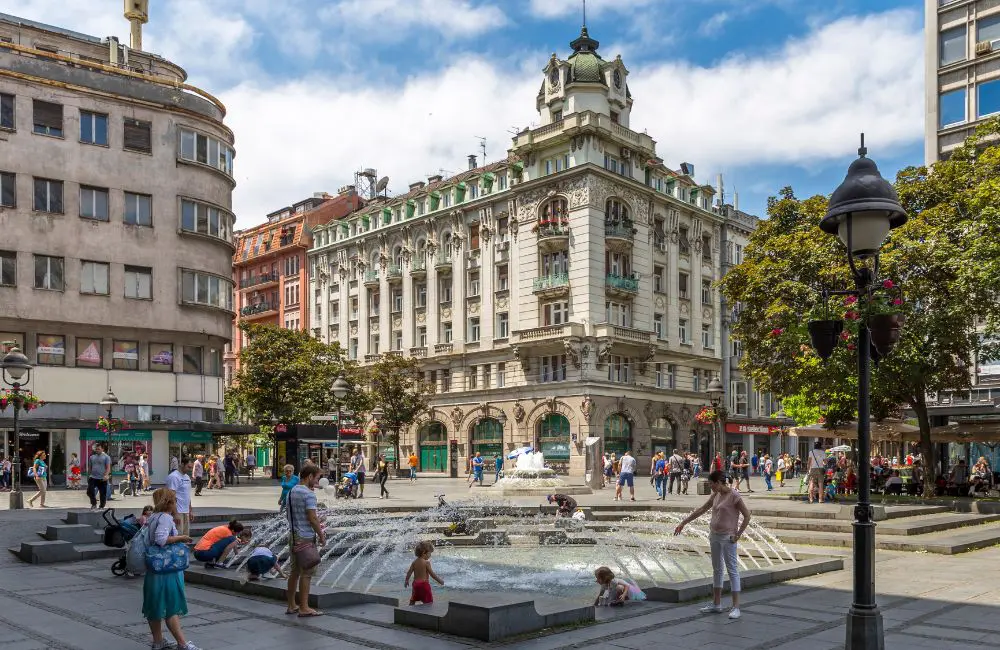
Serbia’s capital, Belgrade – the now booming “White City” – is becoming a sought-after destination for foreign business investment and savvy tourists who love its energy and affordability.
Its unmissable main attraction is the vast fortress complex that overlooks the confluence of the Sava and Danube rivers. It covers about 66 hectares between the Upper and Lower Town, including the sprawling Kalemegdan park.
You can wander freely around pathways along ancient walls and in and out of museums and dungeons, then move seamlessly into Belgrade’s sophisticated main shopping spot, the 19th-century pedestrian-only Knez Mihailova Street.
Other must-sees include the Nikola Tesla Museum and the grand Orthodox Church of St Sava, based on the design of Istanbul’s Hagia Sofia.
We have an extra treat – our Serbian friend Vanja whisks us off to the charming riverside town of Grocka, about 30 minutes’ drive from Belgrade, for lunch at Vinogradi. This long-established restaurant is deservedly renowned for its traditional Serbian dishes, wines from the surrounding vineyards, stunning views and amazing service – it’s not surprising to discover that it has hosted famous people such as Sophia Loren and Henry Kissinger over the years.
Glimpses of Croatia and Hungary
AmaMagna spends an afternoon in Vukovar, just enough time to glean a few insights into the town that is unfortunately best known for its tragic role in the Croatian War of Independence in the 1990s.
On a walking tour of its quiet streets, our guide explains some of the complex background. She points out the “flower house”, a bombed ruin that in summer is planted with pink flowers to signify hope and regrowth, and the bullet-pocked Water Tower that is now a memorial to those who died in the bloody war.
In contrast, the 18th-century Eltz Manor House was painstakingly restored after the war and today is Vukovar’s museum and cultural centre.
The following day – our last on the ship – we visit the Hungarian city of Pécs, just across the border from Croatia. It is the fifth biggest city in Hungary, known for its large student population, art galleries, boutique shopping and winebars.
A walking tour takes in the rich interiors and crypt of the St Peter and Paul Cathedral Basilica but not quite enough time at the Christmas market – however, Budapest’s sparkling Christmas markets await after disembarkation. Bring on the chimney cakes, goulash, lángos and mulled wine!
For more information, visit AmaWaterways.