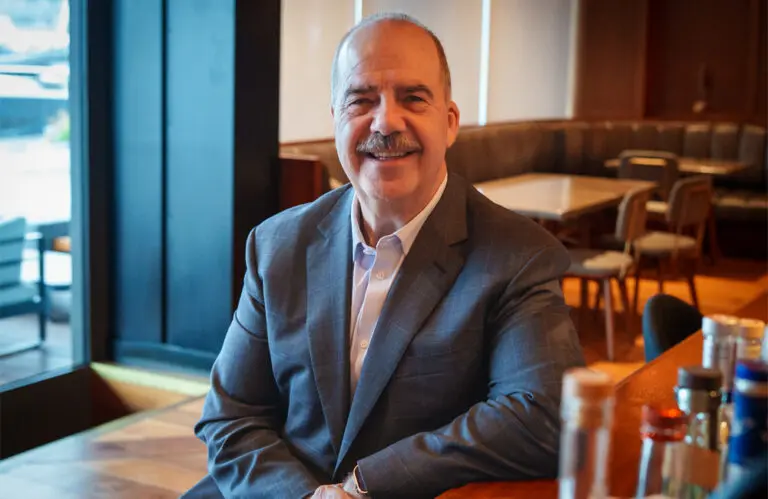





TravelManagers Executive General Manager Michael Gazal says Australians are still booking “a lot of European holidays for the peak season” despite the travel chaos caused by the Middle East crisis.
Michael Gazal, Executive General Manager of Australia’s largest home-based travel advisor network, says it’s continuing to see strong bookings for Europe despite global events.
Gazal puts it down to the “resilience” of the Australian traveller.
“Australians are big travellers, and they still prioritise travel, and they are still wanting to go to Europe, so they are booking on non-Middle East airlines to get there.
“For us, our March sales are strong, and that’s not just air, that’s land, cruise, tourism and FIT [independent travellers].”
He says while the cost of living is challenging, “we can see that at petrol bowser,” on the flip side, the superannuation generation has incredible amounts of disposable income.
And he says it’s not just the older generation, “there is also a lot of money in the Australian travel market across other generations too, who highly prioritise holidays”.
“As well as Europe bookings, we are seeing more demand for places perceived as safe, like Antarctica, and destinations like South Korea on the back of Japan’s popularity.”
Rise of the mobile agent
Last year, TravelManagers surpassed A$500 million in annual turnover for the financial year ending March 31, 2025, and Gazal says that’s due to the ongoing rise of the mobile agent.
“Seventeen years ago, when we started, we were a small business… and the rise and rise of the home-based advisor has been one of the most impressive success stories in the travel industry”.
He says the reason is undoubtedly due to the work-life balance it offers.
“There’s no question about work-life balance, and in many cases, advisors are out of balance. Being a mobile agent gives them the ability to choose the type of client and demographic of travel they are passionate about.
“You can say I only want to develop and grow this area, and whether that’s selling wellness or high-end cruise, they can grow and build a database around their passion, and with split commission, this is a big driver.”
He says TravelManager’s top sellers are always telling them they are working all over the world.
“Our top sellers are always travelling and take laptops, and the client doesn’t know if they’re in Rome or Rio, and that flexibility has been critical and why we’re seeing so much growth.
“It’s great to see people who may have been burnt out and are over the industry come back into this model and build something for themselves and have success. You can’t ask much more than that.”
Future focus
“We want to further develop our corporate division and see this as a big priority, and we need to continue to grow, so recruitment is a big thing.
“We’ve set up a corporate travel series; it’s a new model for the small to medium corporate advisor that wants to run their own travel business… and there’s a big opportunity for growth because there are a lot of corporate travel advisors who are good at looking after corporate accounts and want to do something on their own.
“We also want to develop partnerships with providers in the luxury space, and that’s aligned to cruising, touring and FIT quality hotels.”
He says as a network, they’re also always looking at efficiencies.
“We always ask the same question: what value can we provide to the network to help them remain relevant and successful, and that includes technology to speed up FIT efficiency and a fast booking cruise division so they can go in there and book quickly.
“AI is a wonderful tool for advisors to get ideas, and that’s clever, but is it necessarily accurate? So this is where the human intervention is so important. You have to use technology, but you can’t rely on it solely. You have to find the balance between personalisation and technology. That’s the sweet spot.”
He says ultimately to best service luxury travellers advisors need to be hyper-personal.
“Consumers want advisors who can hyper-personalise their travel, and that only comes through partnership with luxury providers that provide value adds, but it’s also the advisor’s ability to personalise trips and make recommendations because they are trusted.
“It’s powerful to be able to say no, and if you have a client who comes with a request and you have a relationship with them and have been dealing with them for years and they say, ‘a mate at golf said I have to do this,’ and you know it’s not right for them, you should say, no and direct them to where they should go because you know them and their style of travel.”
Growth market
High-end hotels moving into cruise, wellness and expedition cruises are all areas Gazal says will continue to grow.
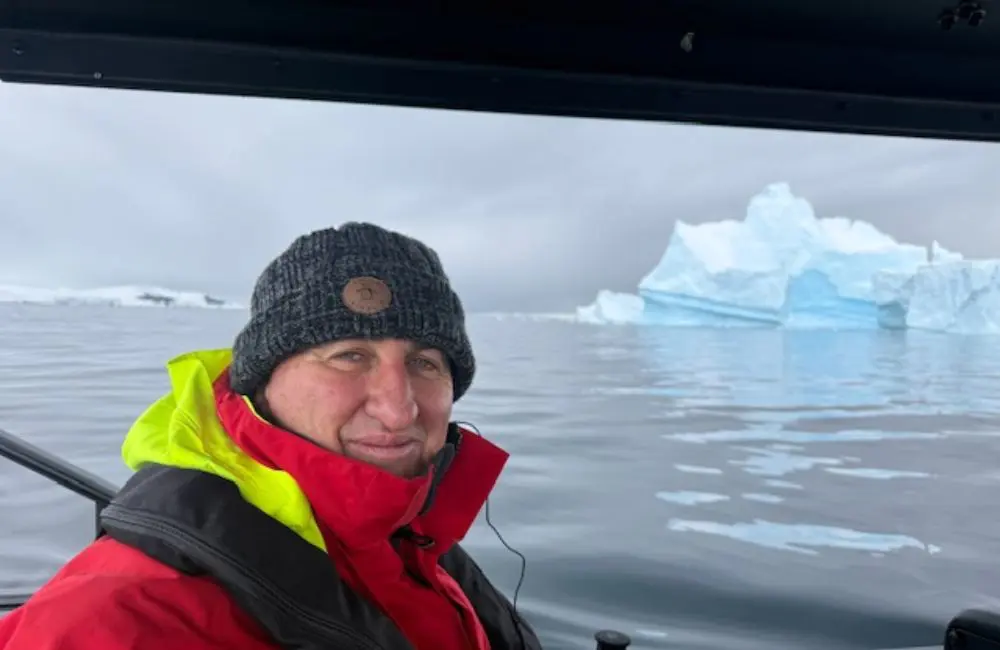
“There’s an appetite from the luxury traveller looking for the next best thing, and they’re looking for an advisor who knows what they like. Luxury means different things to different people, but Antarctica just continues to grow because you can now do luxury expeditions.
“There are also a lot of hotel properties going into ultra-cruise like Ritz-Carlton, Aman and Four Seasons, and wellness is continuing to grow because people want to come away feeling better than when they left, and they also want to experience the destination, get an insight into the world of the locals, and that’s why small-group touring is growing.”
For now, he says the focus is on doing what advisors do best.
“It comes back to being there as a trusted advisor to support your clients and find solutions.
“A crisis reminds the general consumer of the value of the travel advisor, and if the pandemic taught us anything, it’s resilience.”
For more information, visit TravelManagers.