


Take Off Go founder Ivona Siniarska was one of the first on board Douglas Mawson’s maiden voyage sailing around Tasmania. Read her exclusive review for Karryon Luxury here.
Expedition travel has a way of reminding me very quickly that plans are only intentions. Nature always has the final say. That truth became clear on the inaugural voyage of Douglas Mawson, Aurora Expeditions’ new luxury expedition vessel, as we set out in early December to circumnavigate Tasmania.
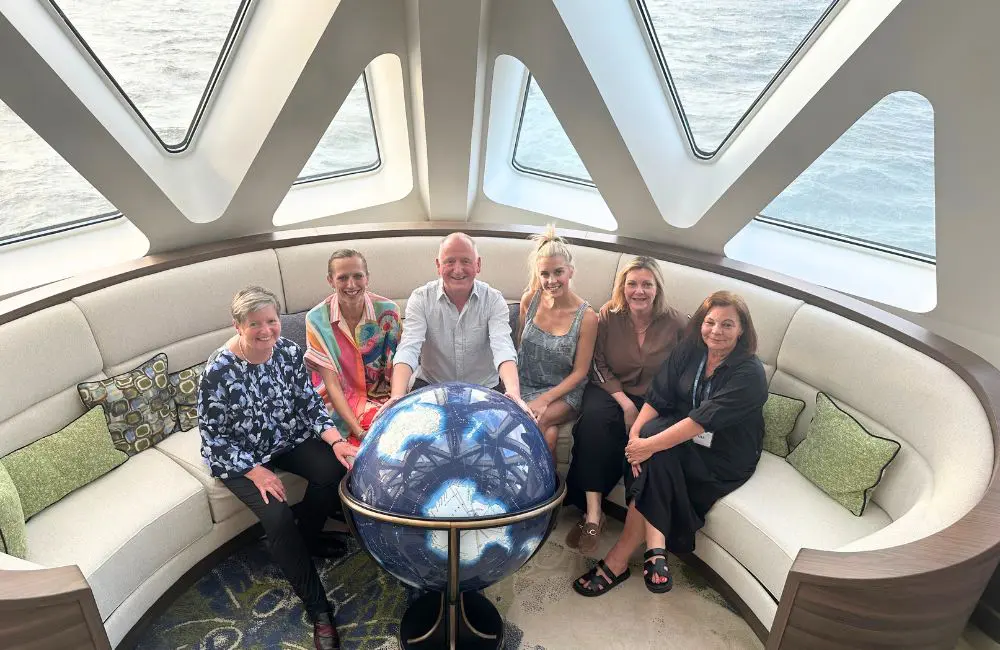
Our journey began in Hobart, where all 120 guests gathered the night before embarkation at The Tasman. There was a shared sense of excitement and curiosity in the room, knowing we were about to be part of something new.
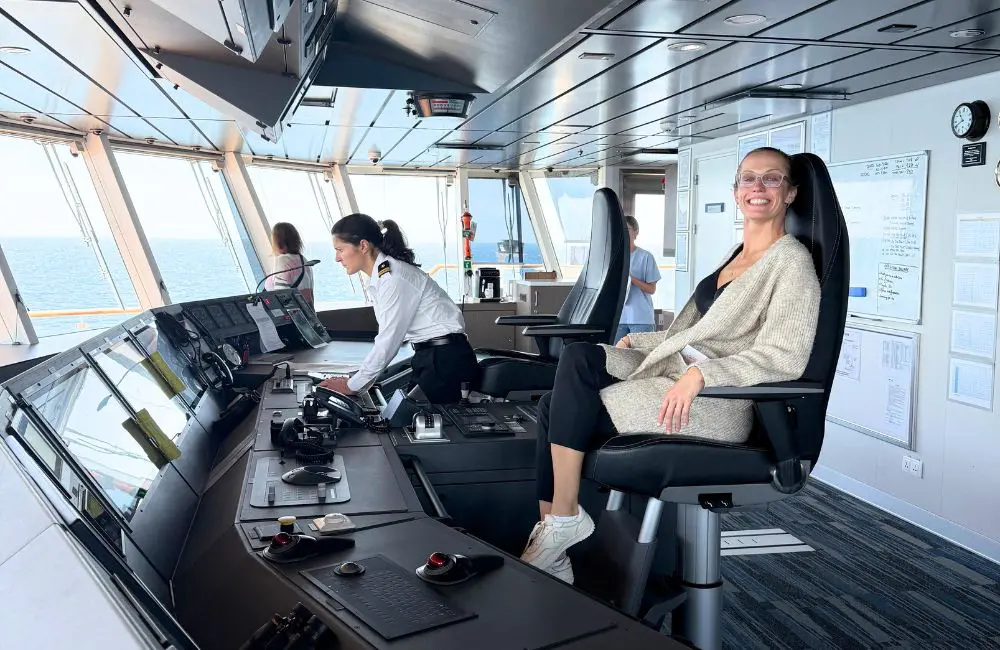
Before the expedition truly began, our Expedition Leader Daniel addressed us with honesty and calm authority. After reviewing weather forecasts, wind predictions and consulting closely with the Captain, it became clear that attempting Tasmania’s Wild West Coast would be unsafe. Instead, we would adapt and continue north along the East Coast, hoping conditions might later allow access to the northwest.
There was disappointment, of course, but for many of us on board, particularly those with expedition experience, this moment felt familiar. In expedition travel, flexibility is not a compromise; it is fundamental. Mother Nature was setting the tone.
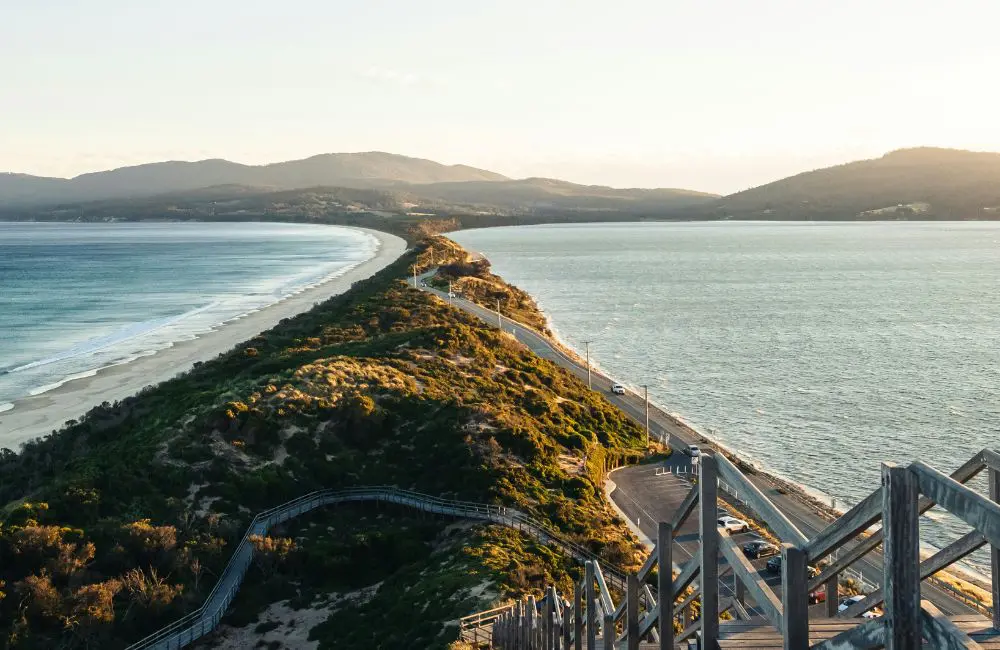
We began along the east coast, spending time around Bruny Island and the historic Coal Mines. These early landings allowed us to ease into the expedition with scenic hikes and stories that revealed Tasmania’s layered past. It felt grounding and offered context, before we ventured further into more remote territory.
As we continued north, sea days became part of the rhythm. Rather than interruptions, they gave us space to slow down, watch the ocean shift in colour, attend lectures and connect with fellow travellers. Expedition travel invites presence in a way few other journeys do.
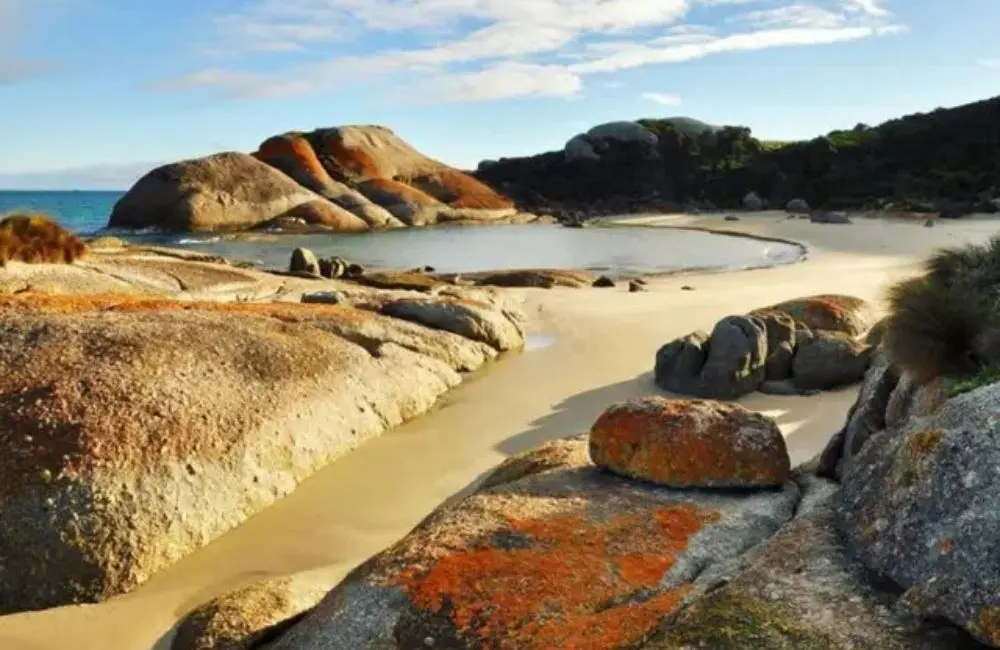
One of the most memorable moments of the voyage came when we reached Three Hummock Island, a vast windswept nature reserve in Bass Strait.
The island spans around 70 square kilometres and is currently home to just two caretakers. Its history stretches from Aboriginal use as a hunting ground to European discovery by Bass and Flinders in 1798 through pastoral leases, private ownership and eventual protection.
We were welcomed onto the island and invited to visit the caretaker’s cottage before setting out on an extraordinary 17.5-kilometre round-trip hike to a lookout. From the summit, I could see Douglas Mawson anchored quietly in the bay below, a powerful reminder of how far removed we were from everyday life.
After the hike, Beau, one of the caretakers, offered to drive a small group of us around the island. Eight of us climbed into his truck as he took us across the airstrip, past wallabies to lookout points, memorials and finally straight onto a remote back beach. Waves lapped at the tyres as we stood looking out over dramatic rock formations and the vastness of Bass Strait. It felt raw, personal and completely unforgettable.
That afternoon, the ship repositioned to another bay and by zodiac we accessed a second beach that truly felt like the end of the earth. Moments like these cannot be planned. They are gifts of timing, trust and connection.
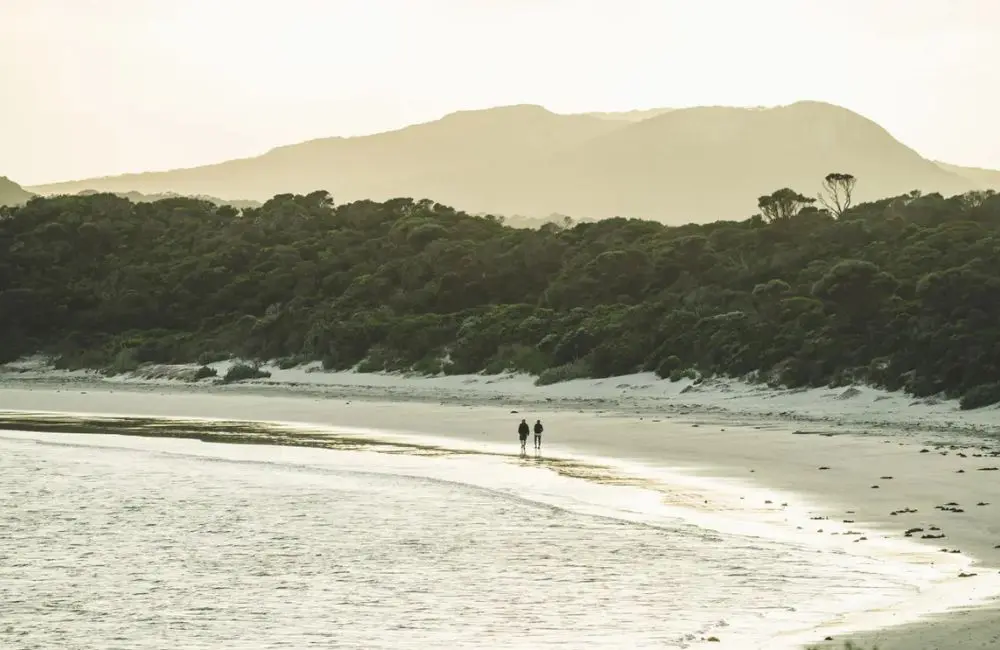
Crossing Bass Strait, we set our sights on Flinders Island. What awaited us there was, without question, my favourite day of the expedition. With a population of just 941, it felt as though the entire island had come out to welcome us. Bus drivers and volunteers were waiting. This was the first commercial ship ever to visit, and the warmth of the reception was deeply moving.
We enjoyed a beautiful local lunch at the golf club, followed by scenic drives across the island, a visit to Unavale Vineyard and a stop at Furneaux Distillery. The day felt generous, celebratory and full of pride and community spirit.
That evening, we sailed toward Deal Island, but heavy swell prevented a landing. Once again plans shifted. Another sea day followed as we continued south to Maria Island.
Before breakfast one morning, we were shuttled ashore at 6am for a hike to the Painted Cliffs, accessible only at low tide. Walking along the water’s edge as the extraordinary patterns revealed themselves was unforgettable.
Conditions changed rapidly during our return, making the Zodiac embarkation one of the most challenging moments of the voyage. Throughout it all, the crew remained calm, capable and unwaveringly focused on our safety.
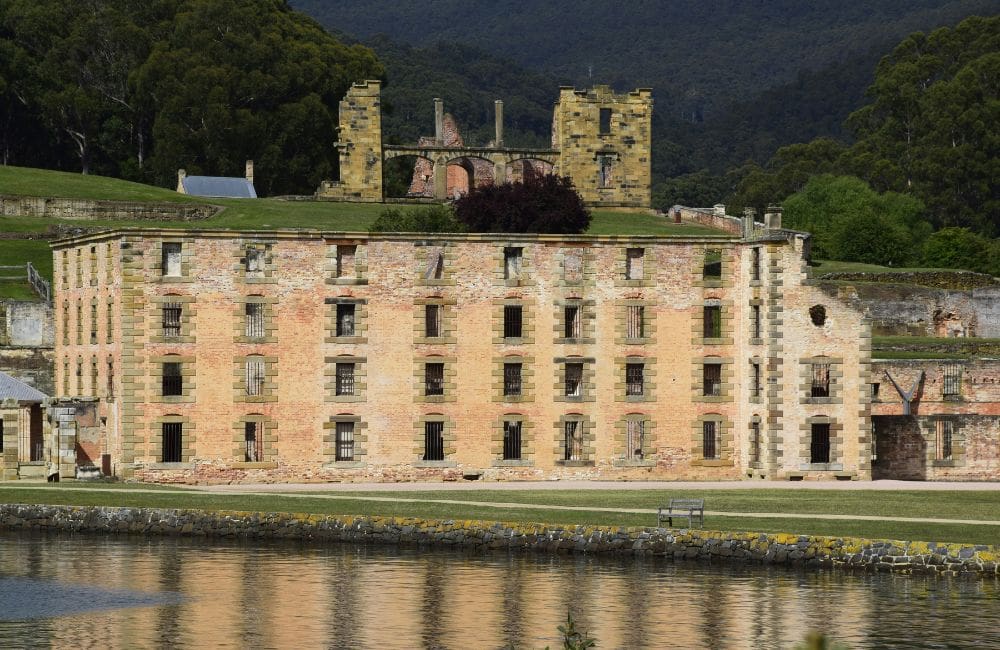
On our final morning, we arrived at Port Arthur to calm seas and sunshine. Guided tours through the historic site allowed time for reflection, followed by a private tasting of local wines, produce and stories from the region. It felt like the perfect way to close the expedition.
This inaugural voyage aboard Douglas Mawson reminded me why I love expedition travel so deeply. Not because it is polished or predictable, but because it is real. It asks you to let go, stay present and trust the journey.
Aurora Expeditions led us on a journey that let Tasmania reveal itself slowly, honestly, and beautifully, and I would not have wanted it any other way.
Ship details
Capacity: 154 passengers
Year built: 2025
Number of cabins: 86
Length: 104.4 metres
For more information, visit Aurora Expeditions.