



As more cruise lines add Arctic voyages to their schedules, adventurous luxury cruisers are spoilt for choice. So how do you choose which cruise to go on? Read on to find out.
The Arctic: when and where to go
Where exactly is the Arctic? It’s not a continent like Antarctica – it’s a vast icy wilderness that stretches from the Arctic Circle (the line of latitude at 66°33’ North of the equator) to the North Pole. Countries that lie fully or partly in the Arctic include Canada, Norway, Greenland, Russia and the US (Alaska).
The Arctic Ocean encompasses seas and bays such as the Barents Sea, Greenland Sea, Norwegian Sea, Denmark Strait and others, and much of it is covered in sea ice from November to April/May. During the high summer months (July/August), the ice retreats and the sun barely sets; most Arctic cruises sail between May and September.
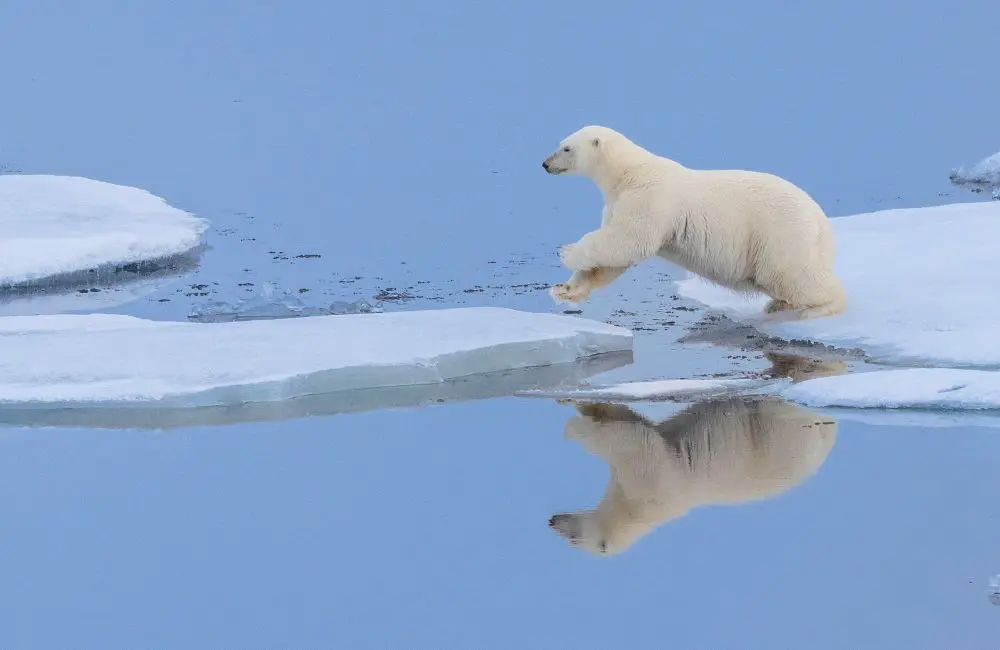
Spring and summer, when the tundra’s flora flourishes, is the best time to see wildlife such as polar bears, whales, walruses, seals, reindeer, musk oxen and millions of seabirds. In winter, a few lines offer Northern Lights itineraries, usually between January and March.
Although the Arctic is best-known for polar bears and dramatic glacial seascapes, discovering more about Inuit history and culture in communities across the region is now a major drawcard for curious travellers.
Arctic itineraries
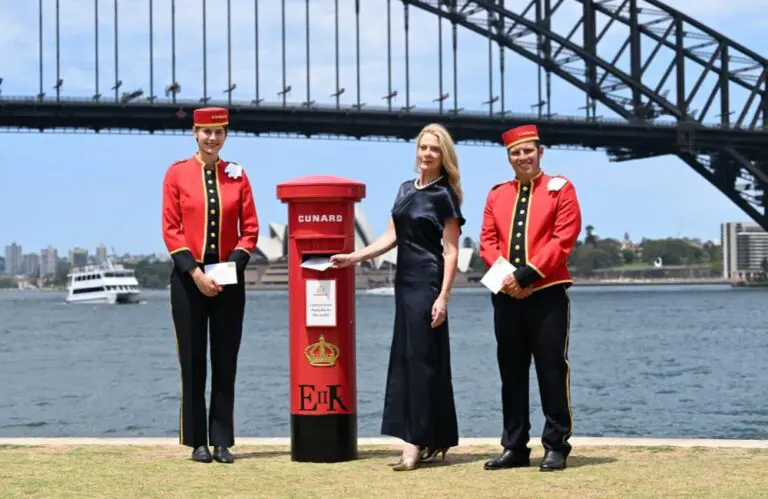
Viking Ocean and mainstream lines such as Cunard, MSC Cruises and Princess offer Arctic cruises from the UK and Northern Europe in summer. Itineraries include destinations such as Northern Norway, Greenland and Iceland – although Iceland is just south of the Arctic Circle – while luxury expedition lines go further north into Arctic Norway, sail for longer and provide more in-depth experiences.
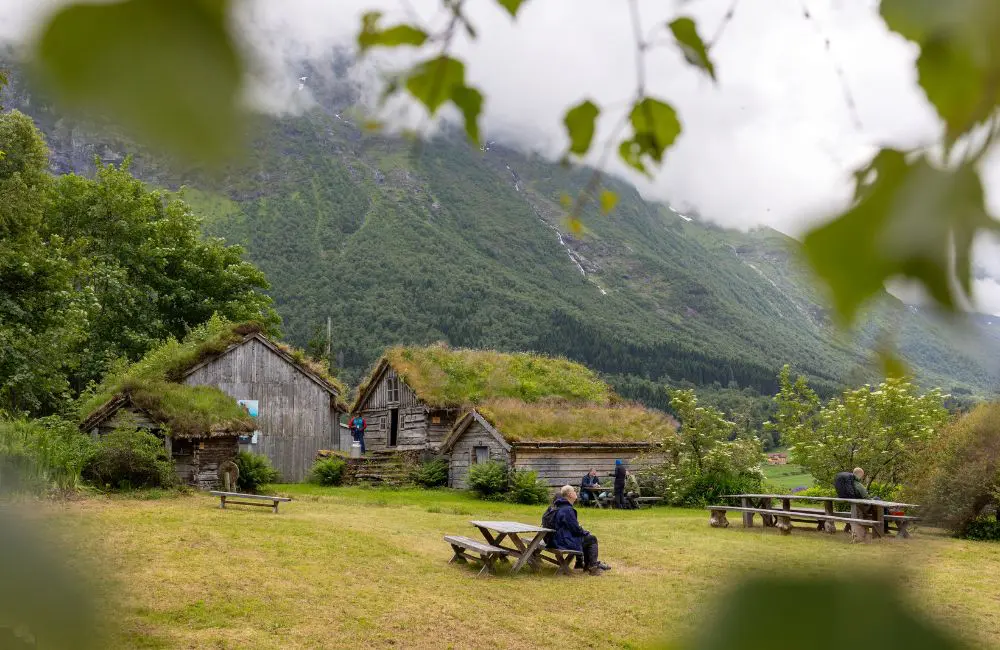
Norwegian lines Havila and Hurtigruten operate year-round, delivering cargo and taking passengers to small coastal communities from Bergen in the south to Kirkenes, 400 kilometres north of the Arctic Circle.
Travellers can sail the spectacular coastline and fjords in summer for the Midnight Sun, winter for the Northern Lights and snow adventures, September-November for glorious autumnal forest colours, and between March and May for spring waterfalls and wildflowers.
Voyages through the intricate seaways of the Northwest Passage, first navigated by Roald Amundsen over three years from 1903 to 1906, have become more viable in recent years as global warming has caused the ice to recede.
A selection of expedition lines operate two- to four-week sailings from Greenland or Newfoundland to Alaska via the Canadian Arctic and vice versa in August and September.
Ponant’s ultra-luxe icebreaker Le Commandant Charcot is the only passenger ship that sails to the North Pole, the ultimate voyage for Arctic expeditioners.
Arctic Norway
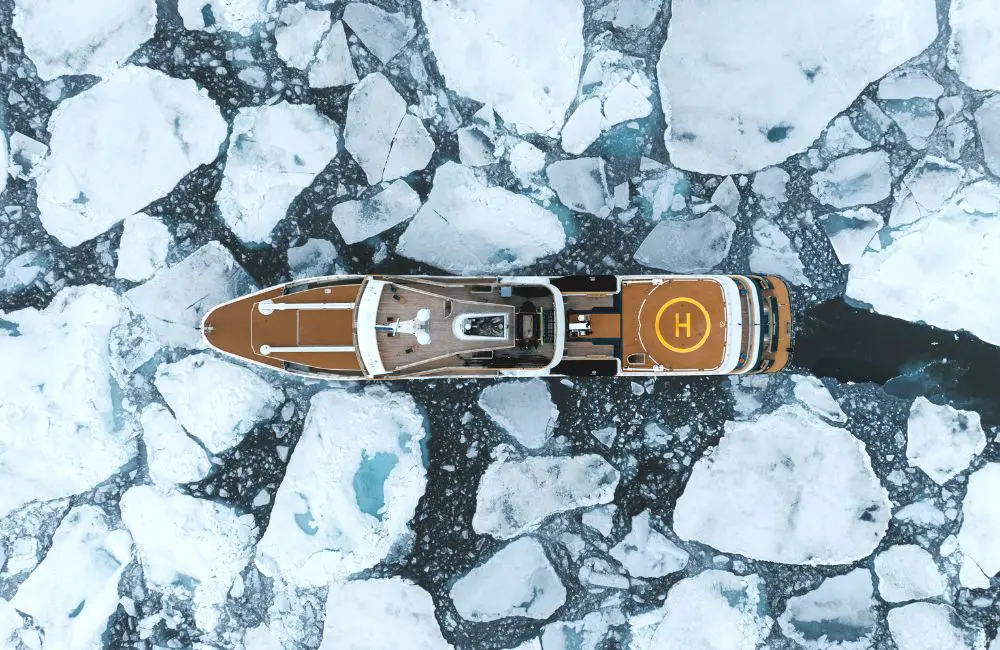
The newest vessel to sail Arctic Norway is also the smallest: Aqua Expeditions’ 30-guest, 77-metre superyacht Aqua Lares. Launching on 30 May 2026, Aqua Lares will offer five- to 14-night expeditions through the Svalbard archipelago and the Norwegian Arctic, as well as dual-destination sailings that combine the Arctic with the Scottish Isles.
Indulgent highlights include three 39sqm to 66sqm Owner’s Suites, 1:1 crew to guest ratio, daily small-group Zodiac excursions, fine dining, a cinema, sauna, massage room and indoor and outdoor jacuzzis.
Cruises will depart from either Longyearbyen (Svalbard) or Tromsø (Northern Norway), depending on the length of the itinerary. The ship is available for full charters and individual bookings, both in the Arctic and East Africa.
Expedition and luxury expedition lines operating in the Norwegian Arctic include Aurora Expeditions, Hurtigruten, HX Expeditions, Lindblad, Ponant, Quark, Seabourn, Silversea and Scenic.
Greenland
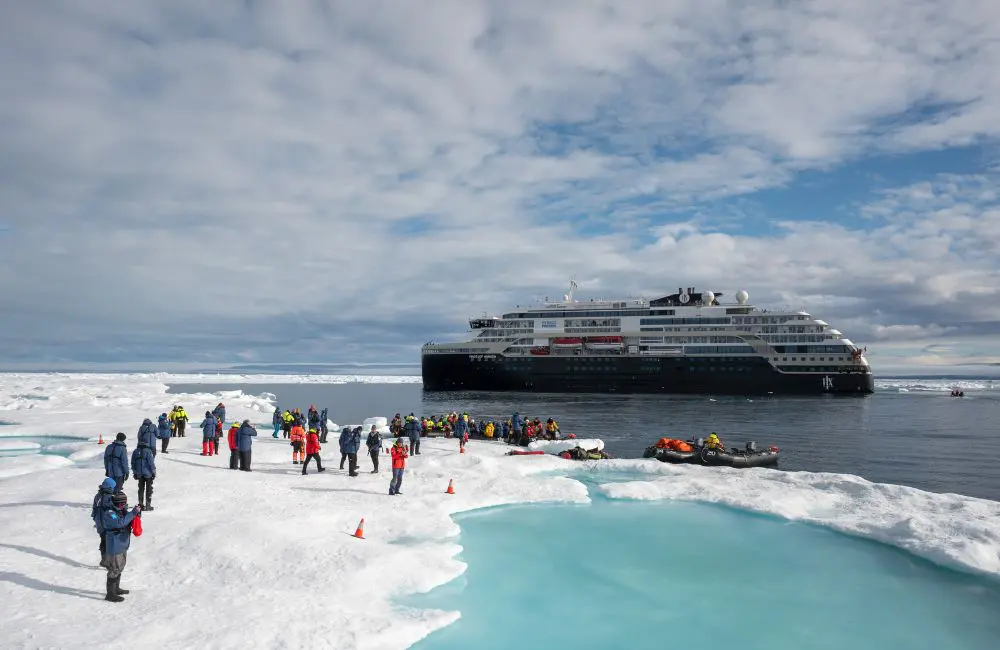
HX Expeditions’ hybrid-powered, 530-guest MS Fridtjof Nansen joined the fleet in 2020 and is sailing several Greenland cruises in 2026.
The ship’s sustainable technology reduces emissions and provides silent electric cruising; HX recently introduced electric MK 5 science vessels for Arctic and Antarctic voyages on MS Fridtjof Nansen and MS Fram.
MS Fridtjof Nansen’saccommodation is all outward-facing, and 50 per cent of her staterooms and suites have balconies. Features include a Science Center, spa, infinity pool, three restaurants, the Explorer lounge/bar and a pool bar, and a full suite of expedition boats and equipment.
To mark 130 years of expedition cruising, HX is offering guests travelling aboard MS Fridtjof Nansen in 2026 the chance to spend a night in the 1896 Cabin, a remarkable reconstruction of – yes, what it says. HX also introduced Greenlandic chefs on board its Greenland cruises last year and in 2026 is expanding the program.
Expedition and luxury expedition lines operating Greenland itineraries include Aurora Expeditions, Hapag-Lloyd Cruises, Hurtigruten, Lindblad, Ponant, Quark, Scenic, Seabourn and Silversea.
Northwest Passage
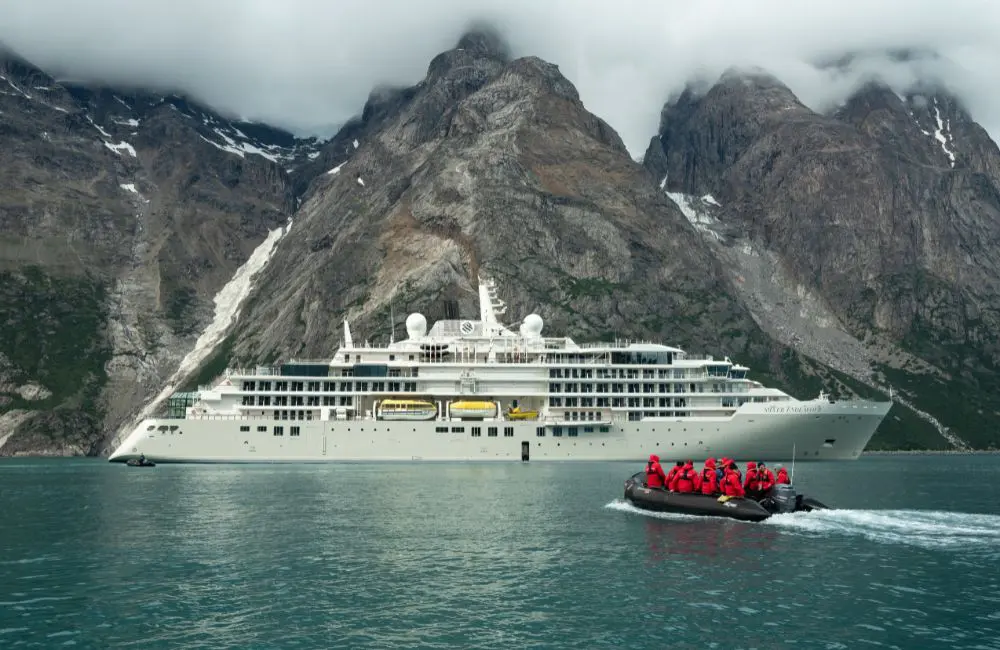
Among the relatively few expedition ships that navigate the Northwest Passage, which connects the Atlantic and Pacific Oceans, is Silver Endeavour, the newest ship in Silver Expeditions’ fleet of five.
Built in 2021, the ultra-luxe vessel accommodates a maximum of 220 guests and in signature Silversea style, offers a crew-to-guest ratio of 1:1, four categories of balcony suites (all with butler service), and six dining options. Public spaces include the elegant Observation Lounge, the library and chart room, Arts Cafe, and the Explorer Lounge for lectures.
Expedition kit includes 18 Zodiacs, kayaks, a Remote Operated Vehicle (ROV) for deep-sea filming and a camera system that captures wildlife images from up to four or five kilometres away.
Silversea is renowned for its expert expedition teams, and unlike most other lines, it offers full-time careers and training for its expedition staff.
Expedition and luxury expedition lines sailing the Northwest Passage include Aurora Expeditions, HX Expeditions, Lindblad, Ponant, Scenic, Seabourn and Viking Expeditions.
North Pole
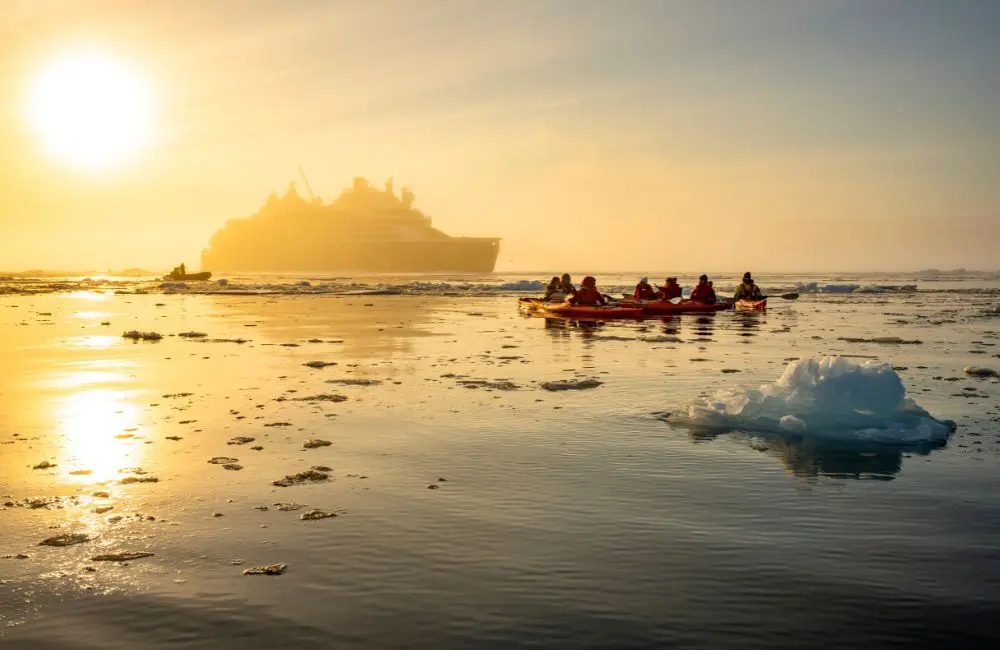
Ponant’s revolutionary hybrid-electric, LNG-powered luxury icebreaker Le Commandant Charcot launched in 2021 and almost immediately notched up a record-breaking voyage to the Geographic North Pole, at latitude 90° North.
She went on to complete another historic voyage in September 2024, reaching the North Pole of Inaccessibility – a point on the Arctic Ocean located the furthest from any landmass.
This unique vessel is not only the most technologically advanced expedition ship in the world, she comes with all the luxuries imaginable. Le Commandant Charcot accommodates a maximum of 245 guests in balcony suites ranging from 20sqm to the 115sqm Owner’s Suite, and 215 crew.
Standout features include Nuna, the only Alain Ducasse restaurant at sea, a heated indoor swimming pool, a theatre for scientific presentations and live music, and several stylish bar/lounges.
Le Commandant Charcot has limited availability for North Pole voyages in 2026 and in 2027 offers 17- and 12-night voyages in July, August and September.
For more information, visit Aqua Expeditions, Aurora Expeditions, Hapag-Lloyd Cruises, Havila Voyages, Hurtigruten, HX Expeditions, Lindblad Expeditions, Ponant, Quark Expeditions, Scenic, Seabourn, Viking Cruises.