



Amid the Middle East conflict, which has led to hundreds of deaths and travel chaos leaving thousands of Australians stranded, industry experts say the steady leadership of luxury advisors is now more important than ever.
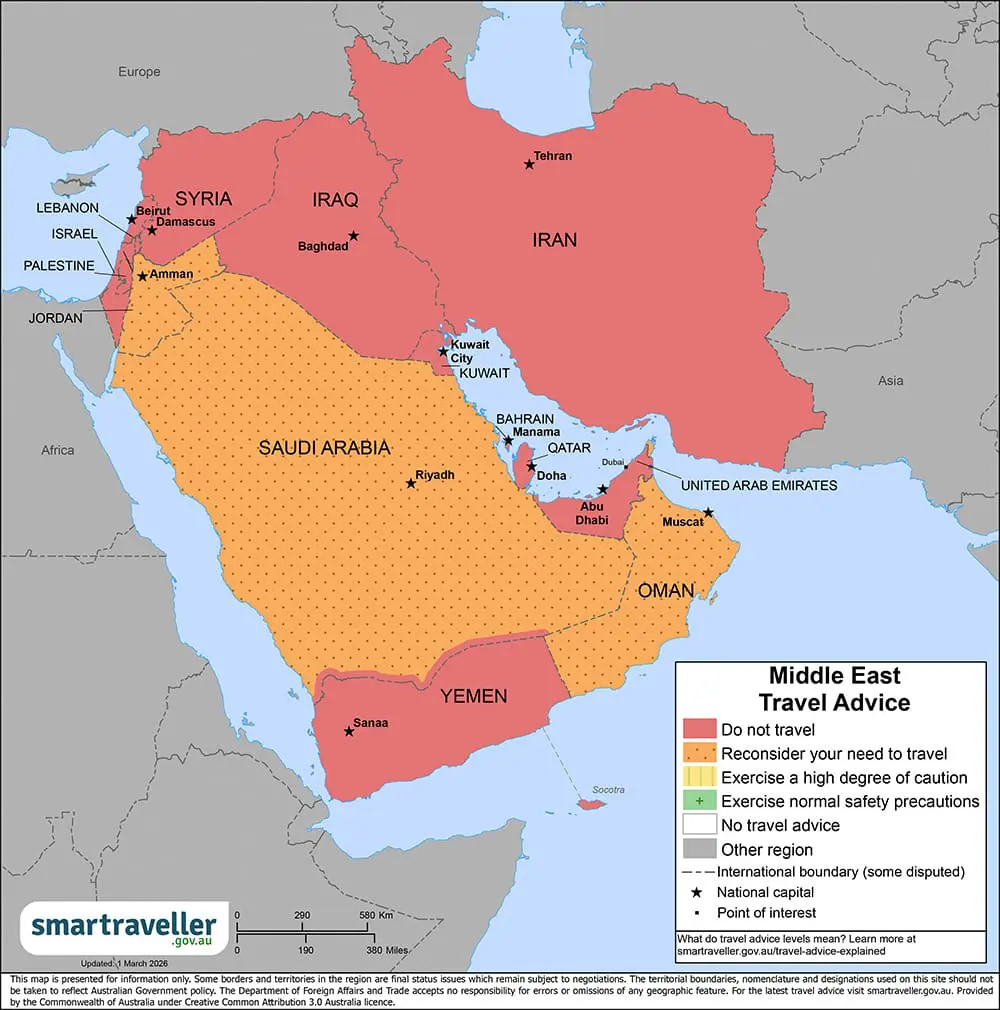
After the US and Israel launched military strikes on Iran on 28th February 2026, which then saw Iran retaliate with drone attacks across the Middle East, it has led to hundreds of lives lost, closed airports, cancelled flights and, of course, thousands of travellers impacted.
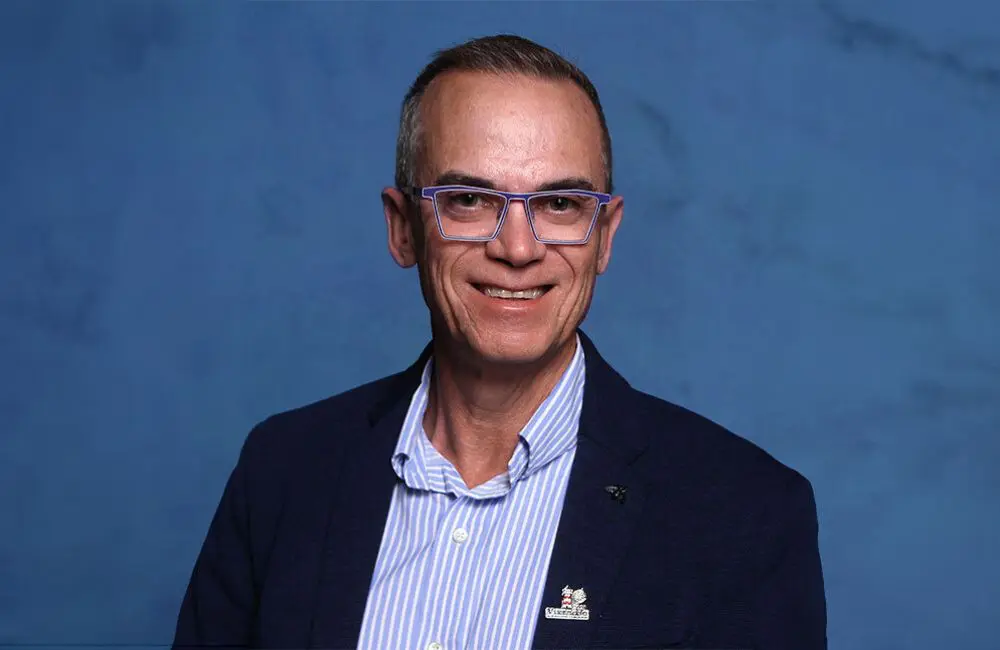
Savenio Managing Director and Karryon Luxury Travel Advisory Board member David Brandon says among the chaos, luxury travellers are seeking calm, informed guidance rather than reacting to headlines.
He says while some media commentary has suggested the situation in the Middle East may continue for many months, and encourages travellers to cancel future bookings, “that is not what we are advising”.
“Industry bodies, including ATIA have also reinforced that there is no need for widespread cancellations at this stage. Instead, we are seeing airlines respond constructively, with carriers such as Emirates extending waivers through to the end of March, giving both advisors and clients valuable flexibility while the situation continues to evolve.
“Operationally, we have been actively managing itineraries and supporting clients already in transit through rerouting and schedule adjustments, often via alternative hubs such as Singapore, Hong Kong, Japan and Malaysia.
“We are also staying closely connected with our global advisor community. One of our Savenio members currently based in Abu Dhabi has been providing real-time local insight and reassurance, which has been invaluable in helping clients make informed decisions.
“In several recent cases, through close coordination with airline partners and our network, we secured revised routings within hours and had clients safely on their way home shortly after.”
And he says the key now is to remain calm.
“For travellers still impacted, the most important advice is to stay calm, remain flexible and stay closely connected with your travel advisor, who has access to real-time support and options not always visible publicly.
“For advisors navigating uncertainty, focus on clear communication, measured decision-making and setting realistic expectations.
“In periods like this, professionalism, strong partnerships and steady leadership matter more than ever.”
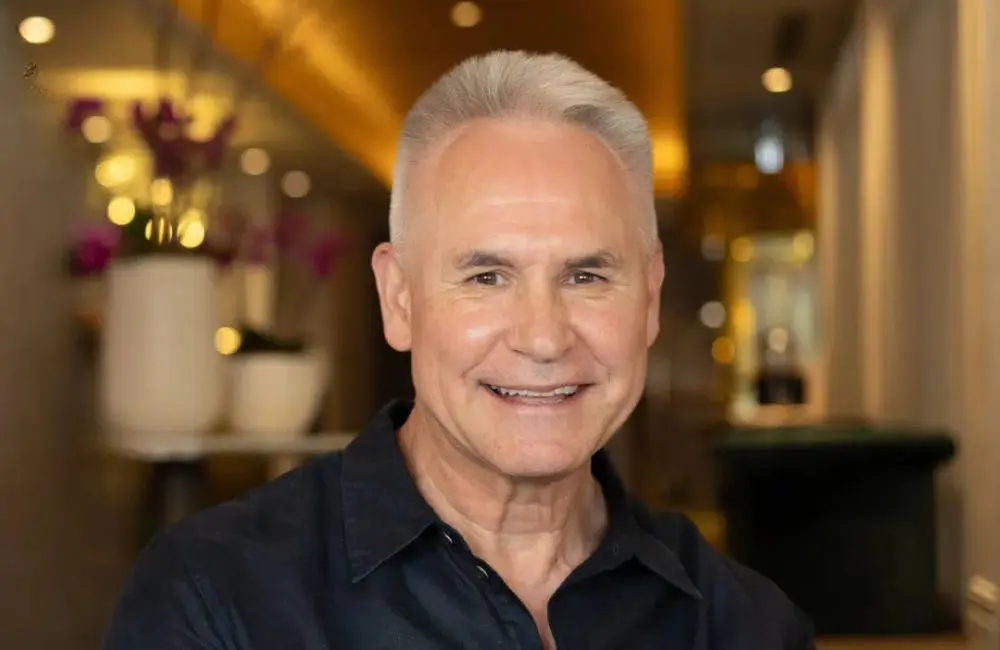
MTA Travel’s head of product and Karryon Luxury Travel Advisory Board member Neil Robertson agrees.
“What cannot be understated has been the level of communication and our assistance from our partners, who have gone above and beyond.
“An example was a partner who extended the offer to take valued customers from impacted areas in the UAE overland to Oman.
“They assisted with the formalities and travellers could then make their way through Omani immigration, where an Oman-based coach was waiting with a driver and guide. They then transferred to Muscat and stayed overnight. The next day, passengers made their own way to the airport. Our advisors are taking advantage of this arrangement to book flights from Muscat, which has an open airspace.”
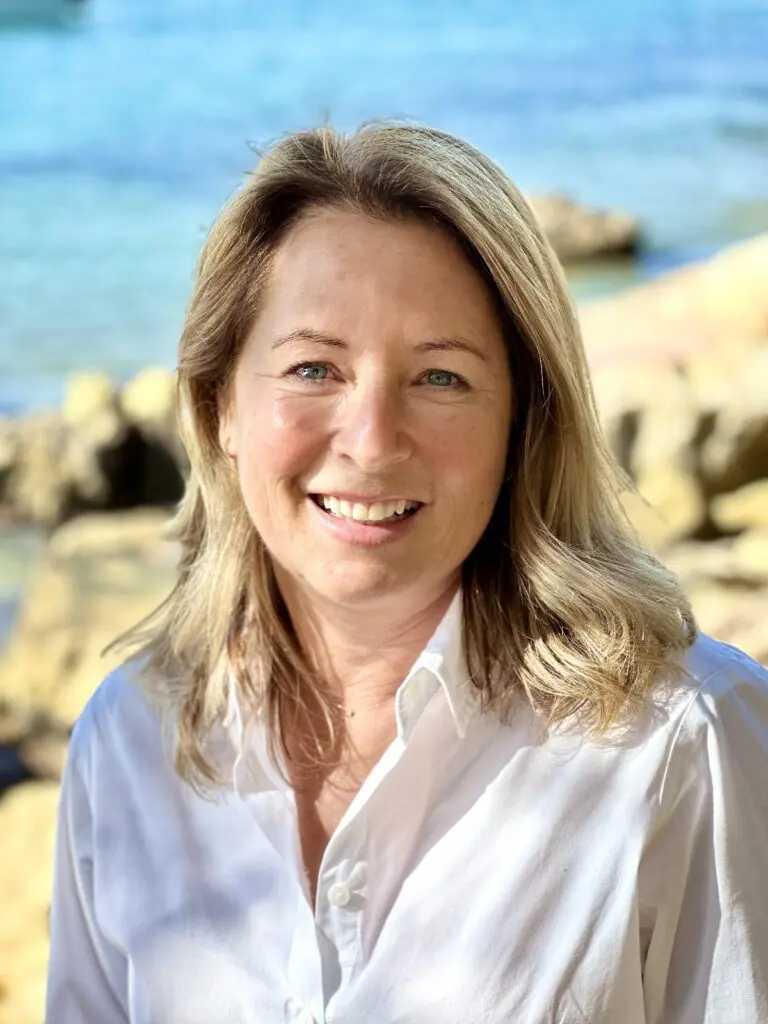
Insight Australia Managing Director Birgit Bourne, who herself was stuck in Dubai because of the conflict, says this situation highlights the “critical value” advisors bring to clients.
“I unexpectedly found myself stranded in Dubai for six days. What was meant to be a simple transit quickly turned into a prolonged and uncertain situation as flights were cancelled and airspace restrictions changed constantly.
“In more than 35 years of travelling the world, I had never experienced anything quite like it. Dubai is usually known for its efficiency and seamless travel connections, yet suddenly thousands of travellers were left waiting, searching for information, and desperately trying to find alternative ways to continue their journeys and leave what had suddenly become a war-affected region.
“What struck me most was how quickly a routine journey can turn into a highly uncertain situation. One moment you are simply connecting through a major hub, and the next you realise you are caught in a rapidly evolving geopolitical event with very little clarity about when normal travel will resume. It required constant monitoring of updates, flexibility with travel plans and a great deal of patience.”
She says her advice is to maintain proactive communication, provide reassurance and focus on practical solutions rather than definitive answers when the situation is evolving rapidly.
“Clients often just want to know someone is advocating for them and monitoring the situation. Having contingency plans, understanding airline policies and keeping clients informed, even when there is no new update, can make a huge difference in how supported travellers feel during disruptions.
“For travellers, I would recommend building extra time into itineraries when travelling through regions that may be affected by geopolitical or operational disruptions, ensuring travel insurance is comprehensive and maintaining a flexible mindset. Moments like this remind us that even the most carefully planned journeys can change quickly, and adaptability becomes one of the most important travel skills.
“I feel incredibly relieved and grateful to be safely in Germany now. The experience was far more confronting than I ever expected, and it reminded me how vulnerable travellers can suddenly feel when events unfold beyond anyone’s control.
“It also strengthened my appreciation for the dedication and expertise of travel advisors who support clients through moments like these.”
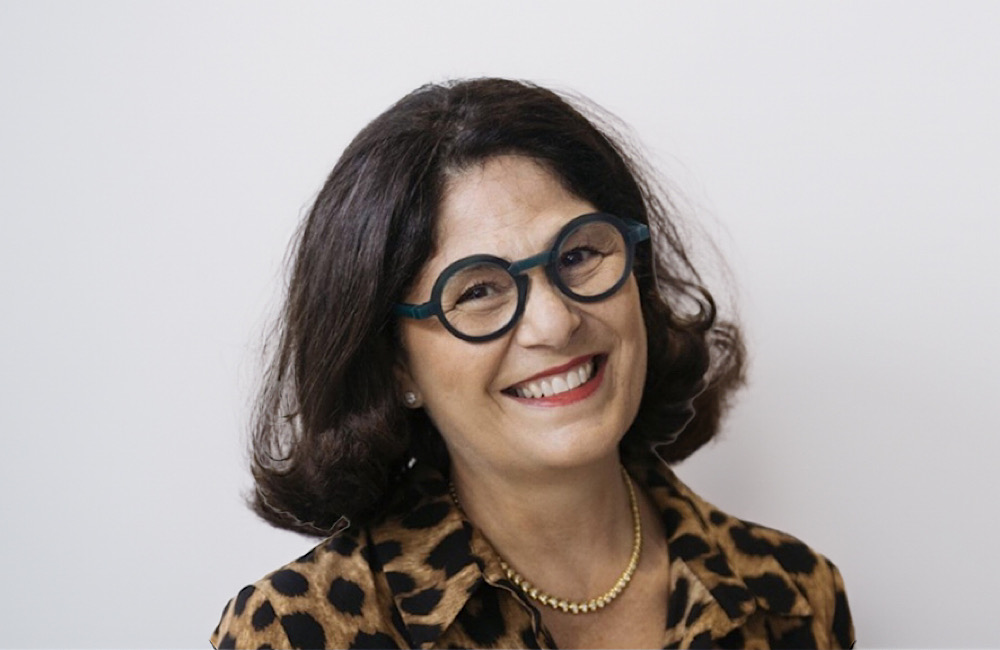
Kennedy and Turner Travel Associates Business Leader Jo Kennedy, who managed to get four clients stranded in the Middle East back home, says being available to clients is vitally important.
“Keep the communication flowing, and be calm and informative about all options. I created a WhatsApp for all four clients and we chatted from there. All four couples were staying at the Kempinski Dead Sea, and one of the couples was getting ready to leave and drive to Amman airport, but then their flight got cancelled. Because of this, I had to extend their stay.
“With my clients’ temporary accommodation sorted, I had to find a plan to get them home. We thought they could drive to Aqaba, hop on the ferry, go to Taba, head to Egypt, and then be picked up by someone and driven to Sharm El Sheikh… and while possible, it proved to be too difficult.
“Instead, I managed to find four of the last seats home on Turkish Airlines from Amman to Istanbul, and then the last four business class seats from Istanbul to Sydney. My clients flew from Jordan to Istanbul, spent three nights at Ciragan Palace Kempinski before finally being able to fly home to Sydney.”
“My clients are so very appreciative – they honestly could never have managed this on their own. The fact that all of a sudden four seats became available was a miracle”

Cruise lines too are caught up in the chaos.
MSC Cruises recently organised flights for more than 1,500 guests who were on board MSC Euribia in Dubai to enable them to leave the region. A total of seven flights carrying MSC Cruises’ guests have now departed the region.
The flights included dedicated charter services at MSC Cruises’ expense, seats secured in partnership with Emirates and Fly Dubai on scheduled commercial services, as well as some government‑organised flights.
MSC Cruises Executive Chairman Pierfrancesco Vago says he is “immensely proud of how the whole company is coming together with this highly complex repatriation operation”.
“Our ship command and crew has worked tirelessly to ensure our guests are well cared for, and our teams across the globe have worked around the clock to get our guests home safely and in a timely manner.
“We have received unparalleled support from our airline partner Emirates as well as the regional and national governments, who are supporting us to facilitate the necessary operational logistics and authorisation for the flights. We still have some guests on the ship, but we are working hard to secure their safe passage from the region.”
Read our rolling updates on the Middle East situation here.
Stay updated with The Department of Foreign Affairs & Trade (DFAT) updates here, or go to smartraveller.gov.au.