




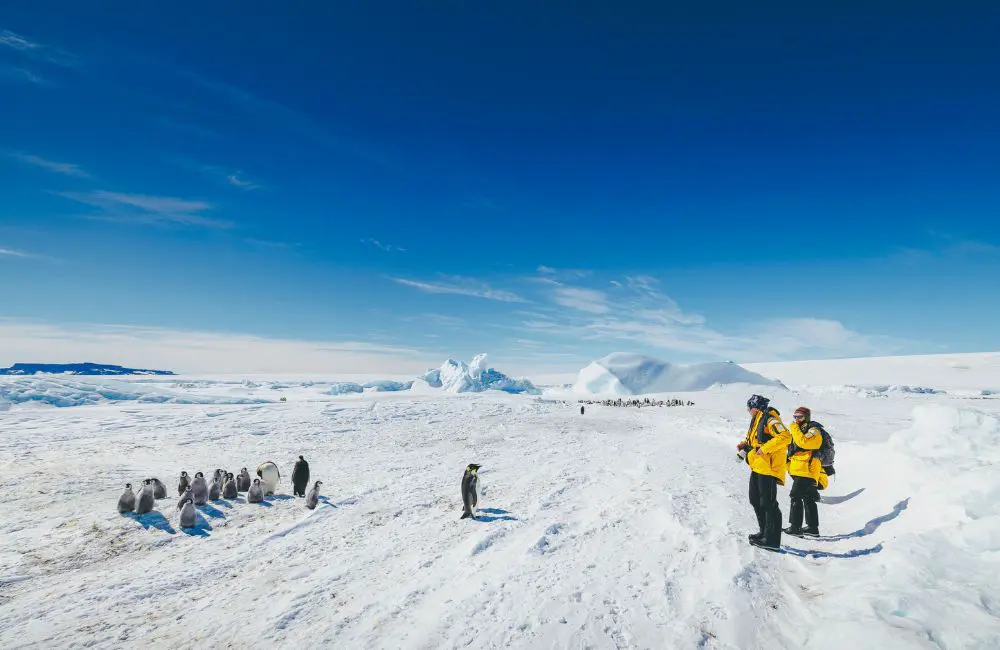
Quark Expeditions has just completed a historic expedition to Snow Hill, becoming one of the final expedition ships of the season to reach the Emperor Penguin colony.
For anyone in expedition travel, Snow Hill is a name that carries weight. It is one of the most remote and difficult wildlife sites on Earth, home to a rare colony of Emperor Penguins, the largest of all penguin species and the only breed of penguin that breeds on sea ice. Fewer than 1,000 people have visited in the past six years.
Each November, expeditions embark to Snow Hill during a tiny window when the chicks are old enough to be left, but have not yet begun to moult. Even then, Antarctica decides who succeeds. This year, three ships were forced to abandon their attempts due to heavy multi-year ice.
Quark Expeditions, however, has a long and pioneering history with Snow Hill. It was the first to reach the colony in 2004, and remained the only company with multiple successful visits across two decades.
Quark’s method uses land helicopters on the sea ice, with a team of experts guiding guests on foot, always prioritising safety and environmental respect.
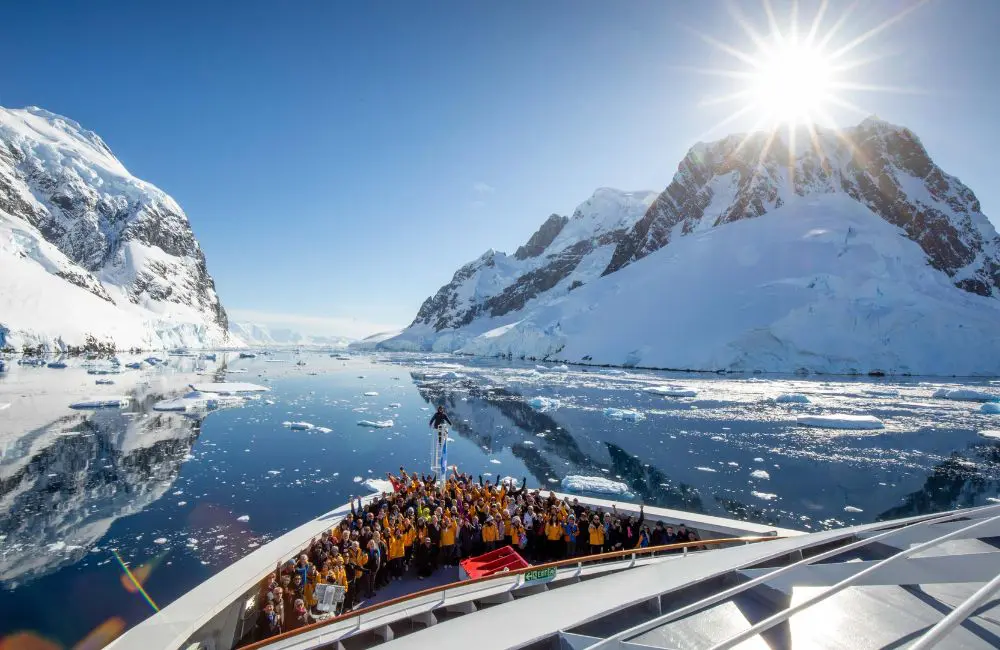
On this expedition, we boarded Ultramarine on 16 November and crossed a lively Drake Passage before entering the Antarctic Sound. The plan was to curve down to Snow Hill Island, but Fridtjof Sound was choked with multi-year ice, far too dense for our vessel to break through.
We waited patiently on the eastern side of the Antarctic Peninsula, knowing that in the Weddell Sea, everything depends on timing, weather, and luck. Then came the unexpected announcement. From our position near Andersson Island, a full 64 nautical miles from Snow Hill, we would attempt a landing.
This distance had never been attempted on a commercial expedition. It presented a significant logistical challenge for our Expedition Leader, Ryan McDevitt, Ship Captain Roy, and our Helicopter Operations Manager, Pato, who had to calculate fuel loads, manage pilot flying time limitations, negotiate safe landing zones, and plan contingencies for fast-changing weather.
This became the longest helicopter transit to Snow Hill ever undertaken. Over two days, the team conducted 37 round-trip helicopter flights, with four pilots rotating between two Airbus H145 aircraft.
In total, they flew 4,736 nautical miles – roughly the distance from Los Angeles to London. Mountaineering guides flew out first to test the sea ice, ensuring it was safe for guests to land. Only once every measure was confirmed did operations begin.
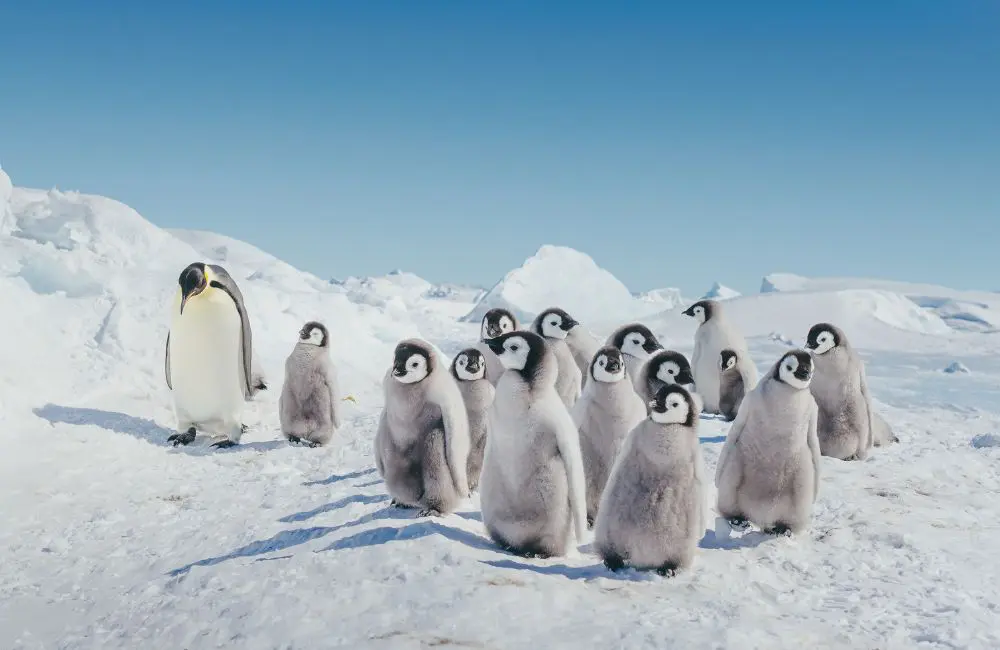
And then we stepped onto the frozen sea ice. Walking among thousands of Emperor penguins and their fluffy November chicks was nothing short of extraordinary.
Watching them navigate wind, predators, and shifting sea ice with such resilience was deeply humbling. Standing there with just a small group of fellow travellers felt like being handed a rare privilege on one of the world’s last true frontiers.
I was on the final helicopter back to the ship, making me amongst the last group of tourists to visit the colony this season, a fact that still leaves me in awe.
This landing was far more than a travel moment. It was a testament to Quark’s meticulous expertise, their deep respect for Antarctica, and its unwavering commitment to authentic expedition travel – the kind that requires courage, precision, and decades of experience.
As I write this, we have completed the expedition, all 123 passengers returning across the Drake and onwards to Buenos Aires and beyond, each of us having successfully reached Snow Hill. History made.
For more information, visit Quark.