



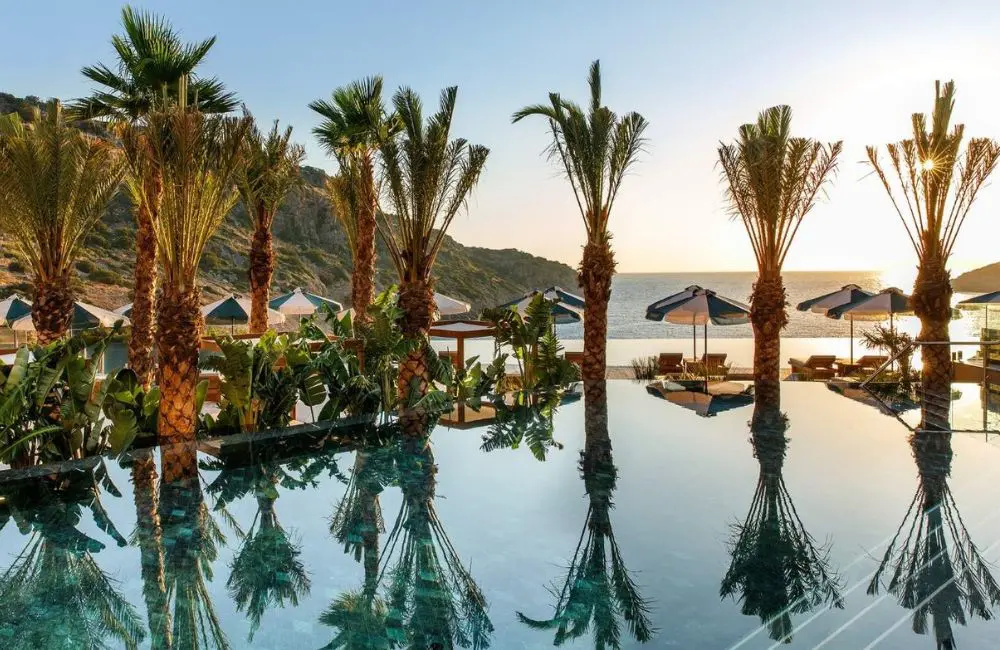
Slojourn Studio, one of Australia’s leading travel representation agencies, says the continued demand in cruise is something the broader luxury travel industry should be capitalising on.
Cruise Lines International Association’s (CLIA) annual Source Market Report showed 1.45 million Australians took a cruise in 2025, a nearly double-digit rise (9.5%) year-on-year.
It marked a new high for the market – smashing a record that has stood since 2018, with more than one in 20 Australians heading to sea. The previous yearly record was 1.35 million.
And while more and more Australians are choosing cruise as their first holiday choice, one of the biggest opportunities in this burgeoning market is happening off the ship, says Slojourn Studio sales director Fiona Cogar.
Cogar says it provides an enormous opportunity for resorts and hotels, as “traveller appetite for pre-and-post-cruise stays and deeper destination experiences steadily rises”.

“Today, more guests are building additional time on land before or after sailing, moving beyond the brief stopovers typically built into cruise itineraries.
“Ports have transcended their status as in-and-out stops and are now considered gateways to more all-encompassing exploration.
“If we think about travel as a form of artwork – which in many ways it is – cruising is the sketched outline of a journey, while time on land is the painting that fills in the detail and adds the colour and beauty.
“It’s the difference between glimpsing a destination and forming an emotional connection and understanding.”
She says in response to the cruise boom, its luxury travel partners are already seeing demand for extended stays that “allow guests to delve more meaningfully and memorably into the local culture, landscape and daily life”.
She says for travellers sailing through Southeast Asia, Cambodia is becoming more than a departure point or fleeting stop on the way to the Mekong.
“Before embarking on river itineraries, guests are choosing to extend their time in-country to enjoy a more intimate perspective of its coastline, culture and island landscapes.
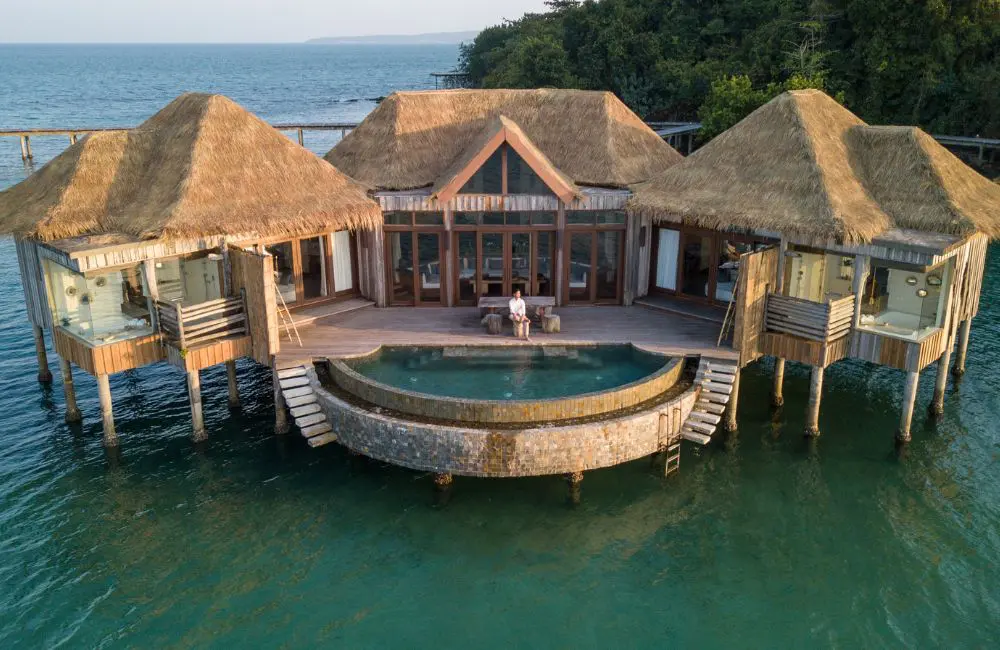
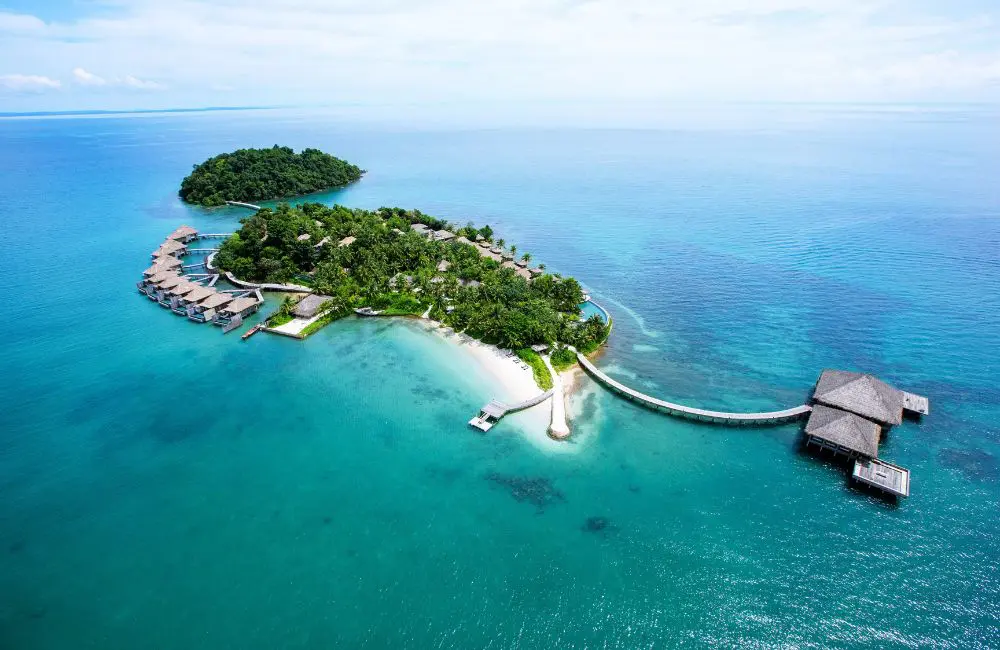
“At Song Saa Private Island in the Koh Rong archipelago off Cambodia’s southern coastline, travellers combine a cruise itinerary with a high-end stay across overwater villas, jungle sanctuaries and barefoot luxury residences.
“The landscape of Cambodia is incredibly diverse and while the Koh Rong archipelago feels beautifully removed, it remains easily accessible, and offers travellers a very different paradigm of Cambodia, from its culture and communities through to its coastal and island environments.”
She says wellness is another area where the industry can capture cruisers wanting to slow down.
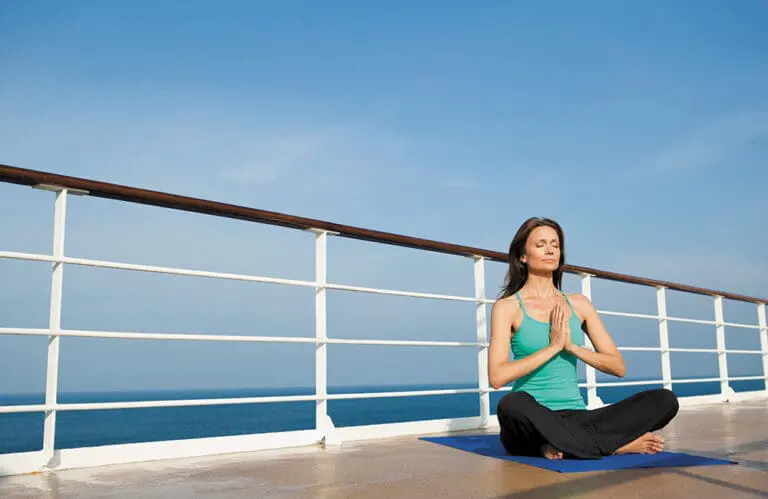
“Song Saa’s newly launched wellbeing sanctuary – Saraan Sanctuaries – adds another layer to the stay, with jungle fitness, overwater yoga and nature-led therapies inspired by Buddhist philosophy, positioning Song Saa as a restorative beginning or end point to a broader journey.”
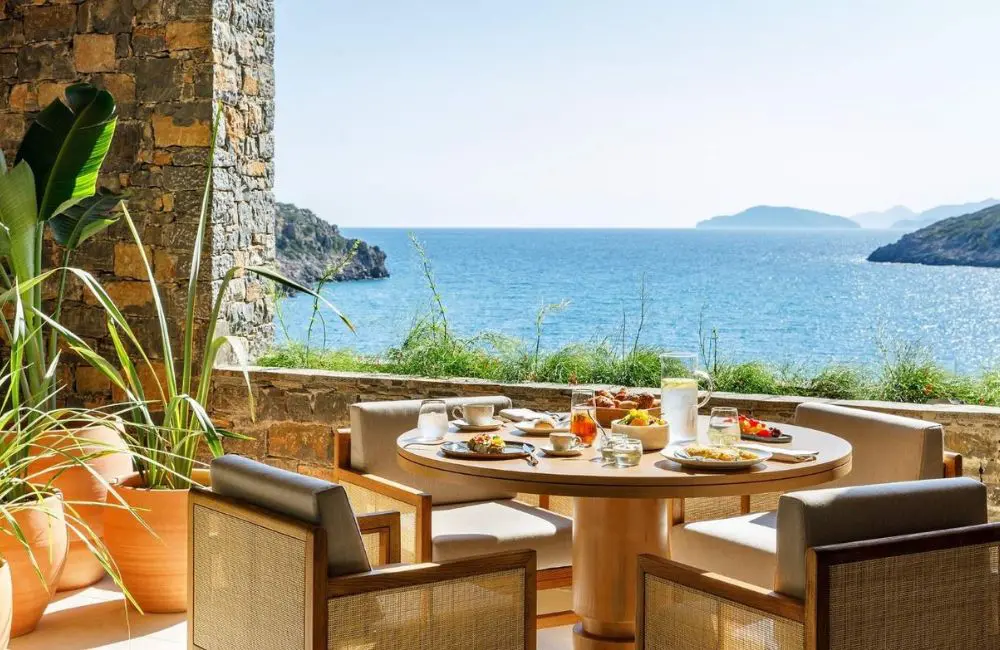
Cogar says the Mediterranean is another prime example where properties are meeting the demands of a post-cruise traveller wanting time to take pause.
“After weeks moving between Mediterranean ports, many travellers are seeking somewhere to properly pause before returning home.
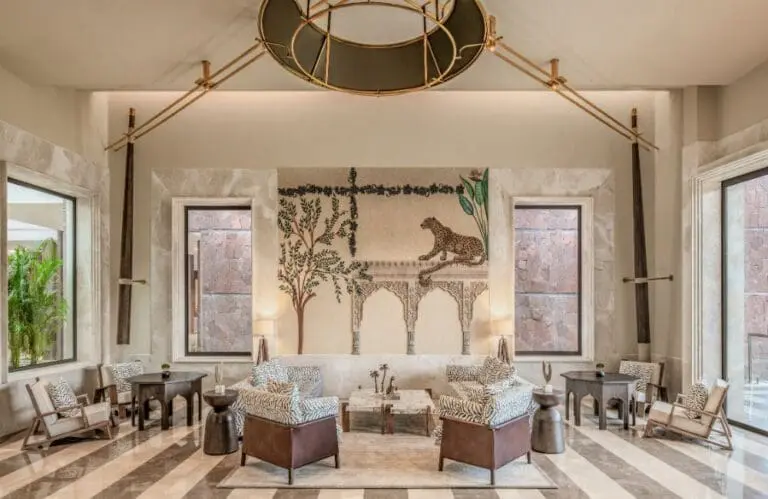
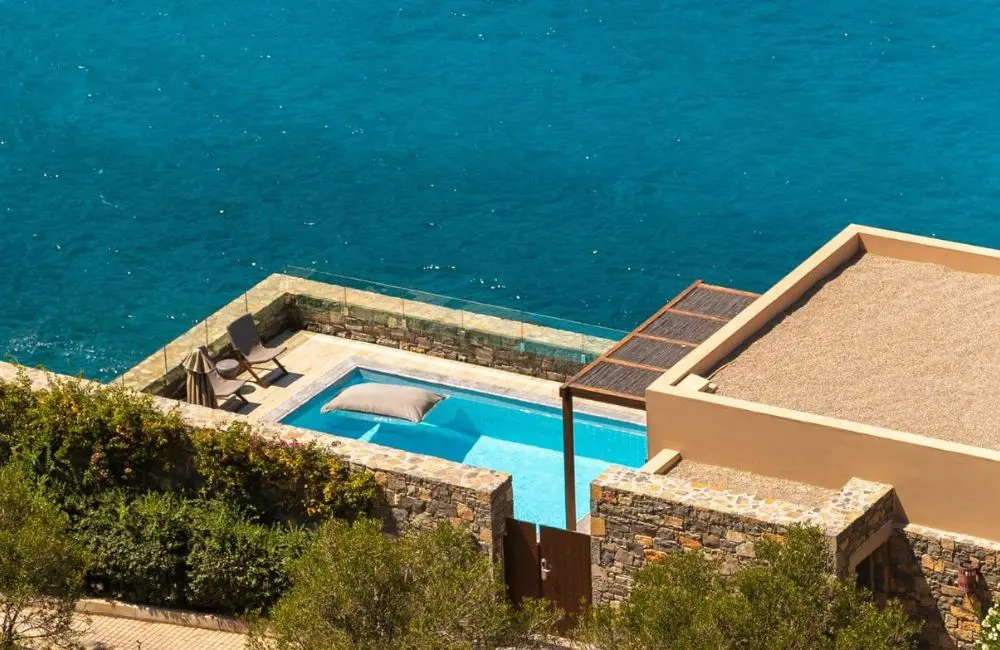
“Crete lends itself so naturally to this. After the pace of a cruise, guests are looking for somewhere to slow the pace, and Daios Cove offers that balance; combining meaningful cultural access with a genuine focus on recovery and wellbeing.”
Cogar says while cruising has many benefits such as ease and access to multiple destinations within a single journey, “travellers are recognising the limitations of fleeting transits, with an increasing desire to slow down on land and have time to explore further than the shoreline”.
And that, she says, is a prime opportunity for the broader industry to benefit from the booming cruise sector.
For more information, visit Slojourn Studio.