



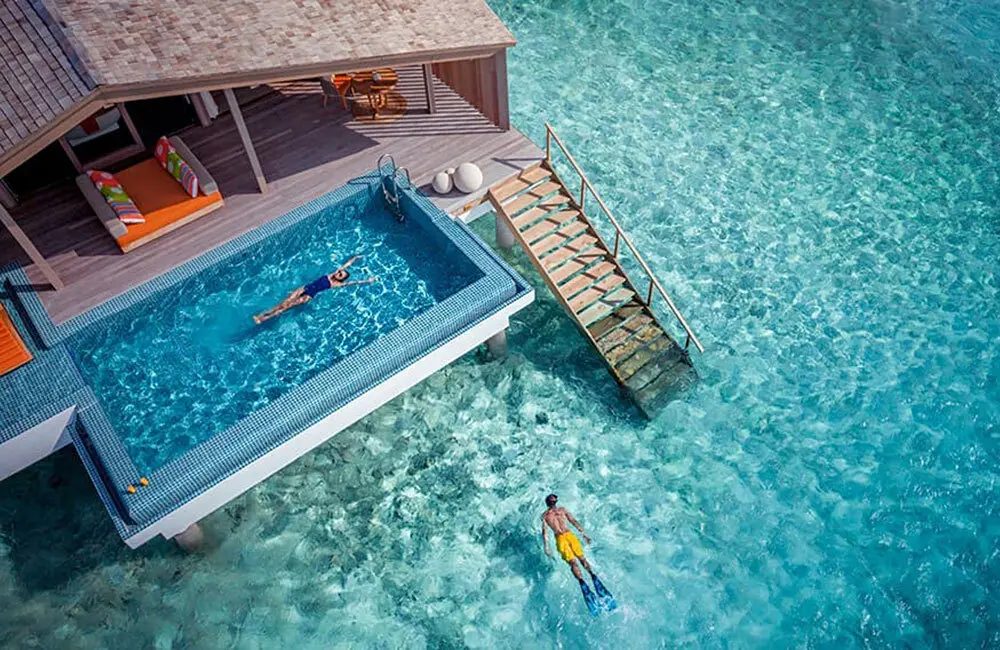
What can you expect in the booming luxury travel sector in 2026 and beyond? We talk to seven leading industry experts about the trends that will shape the future of high-end travel.
When Virtuoso researched 2,400 luxury travel advisors around the globe for its 2026 Luxe Report, one of the key trends it found was a shift from all-inclusive to ultraluxe.
It says, “For the first time, the Luxe Report asked advisors about ultraluxe travel, revealing that 40 per cent have seen an increase in recent requests”.
“What’s especially notable is that ultraluxe is now defined by having every detail seamlessly included.
“Once viewed as mainstream convenience, “all-inclusive” has been elevated to cover everything from private transfers and Michelin-level dining to resort buyouts where chefs, wellness experts and guides are entirely at the guest’s disposal.”
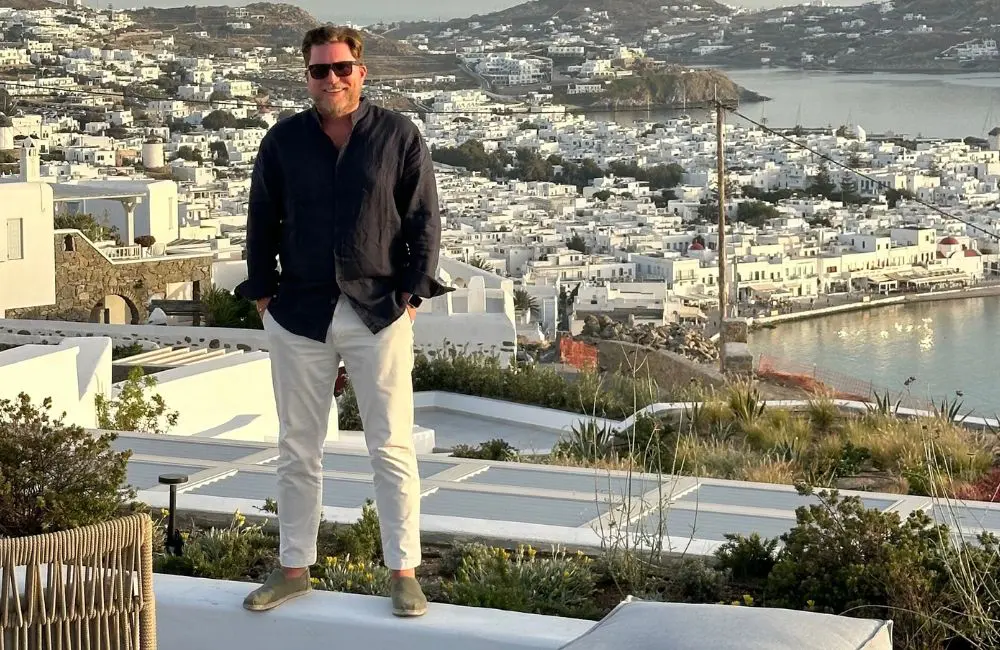
And that, according to La Collection Co-founder Craig Farrell, is something we’re going to continue to see rise as a key luxury travel trend in 2026 and beyond.
“We’re talking here about the buyout of a vessel; about having a whole resort cater for you and your family’s needs.
“For many people, this is the ultimate way to spend time with loved ones, and the freedom and flexibility these options provide can’t be matched in a shared environment – even in a private villa, you are limited in terms of the services and activities on offer.
“I believe we’re going to see a strong momentum of travellers seeking out truly independent properties. The properties that are family-owned, that offer only a small number of keys. Why? There’s a tipping point of how much the luxury sub-brands of the big hotel companies can grow before they too become too generic and have a difficult time maintaining both the standards and identity that made them unique in the first place.
“Another wave of global openings is expected from these brands in 2026, which is exciting. But, it will also be really telling when it comes to how well they can actually maintain the service, the stories and the experiences that we know travellers are increasingly wanting.”
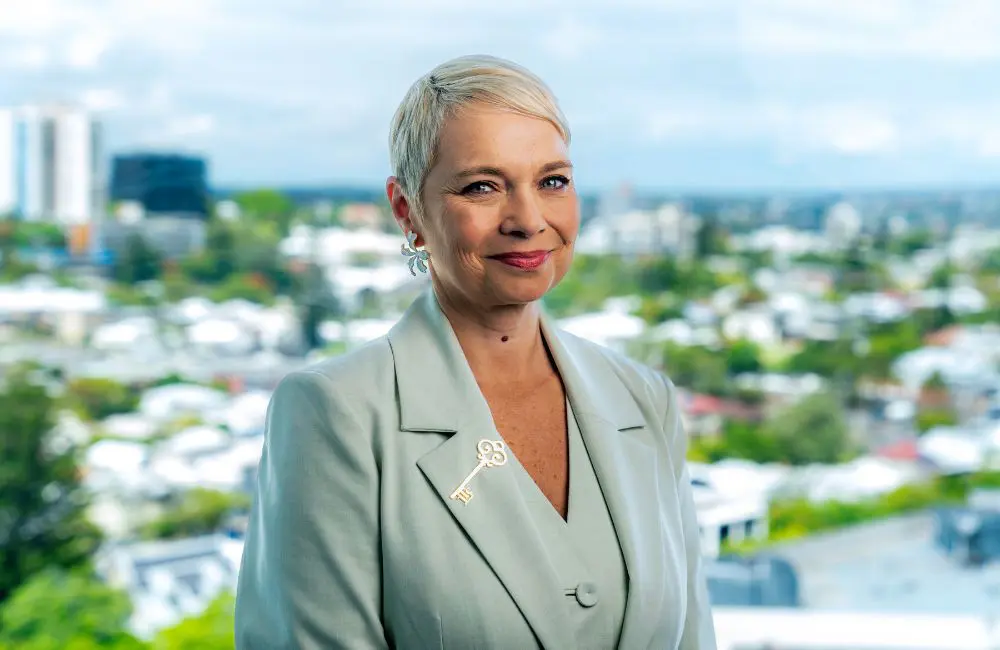
Luxury Travel Collection General Manager Nikki Glading agrees, saying it’s vitally important that the industry can deliver on that demand.
“True luxury today is access, and the best experiences are naturally limited, and with major events creating demand spikes, getting clients into exclusive properties and experiences is becoming harder.
“We need better systems and partnerships that give advisors genuine access, not just lip service.”
Making travel easy
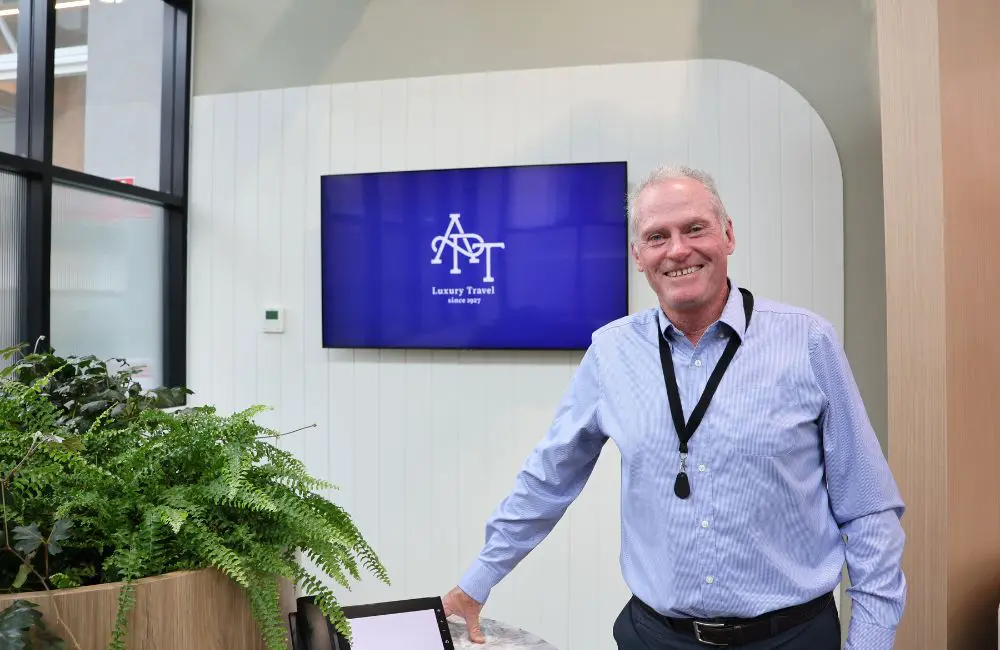
For APT CEO David Cox if you don’t evolve, you won’t stay above the pack.
“You can’t stand still; customers are well researched and use tech tools, and so you have to keep challenging yourself to better the product or you will get left behind.”
And he says it all comes down to ease of travel.
“Travellers want travel to be easy, and that drives the style of travel, and that’s why cruising is winning hands down.
“You get on board once, unpack once, on a river cruise you cruise overnight, wake up and have a choice of activities each day.
“Luxury travellers want all-inclusive so they know what they’re getting, and that area is only going to grow.”
The rise of reconnection
Club Med Pacific and Emerging Markets General Manager Michelle Davies says Club Med’s latest research shows a significant shift among luxury travellers who are seeking reconnection.
“For multigenerational holidays, we’ve seen a 30 per cent surge in forward bookings for 2026.
“As the pace of life is seemingly becoming busier and busier for young families, we’ve seen a significant shift in their travel preferences. In a world that’s always on, a luxury holiday is now so much more than white glove service and is defined by the chance to digitally disconnect, enjoy unstructured free time, and reconnect with loved ones in a meaningful way.”
Glading agrees, saying time is more valuable than money for luxury travellers.
“We’re seeing a shift from cramming in as many experiences as possible to spending time more meaningfully.
“This means longer stays, extended port visits on cruises, and travellers deliberately building in downtime rather than scheduling every hour to fully experience these incredible travel destinations.
“Multi-generational travel is also reshaping how we, as an industry, craft ultimate itineraries.
“Families don’t want everyone doing the same thing anymore – grandparents might explore temples while teenagers hit museums, then everyone meets for dinner to share their experiences. This requires completely different planning approaches and expertise from advisors and more flexible travel products,” says Glading.
Wellness rules
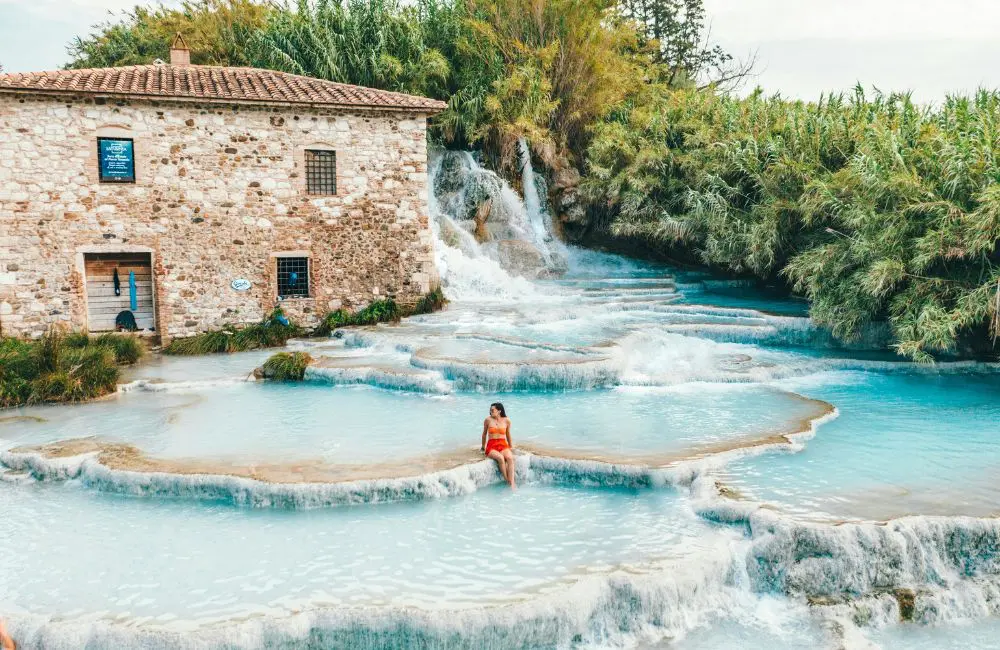
Unsurprisingly, wellness still rules, and Virtuoso’s 2026 Luxe Report found that after years of upheaval, people are turning to wellness-focused journeys to restore balance and resilience.
“Requests span the globe, including Ayurvedic programs in India, yoga and surf escapes in Costa Rica and retreats in the Canadian Rockies, where silence is part of the healing.
“These trips can even span generations, with parents and grandparents encouraging younger participants to step away from social media and reconnect with the natural world.
“Mental health and longevity are just as important as physical fitness, and many view these trips as investments in a healthier future.
“According to advisors, health and wellness is now one of the top five experiences requested by solo travellers, who are drawn to programs that foster structure and self-discovery. And Japan still dominates.”
For MTA Travel’s Head of Product and Karryon Luxury Travel Advisor Board Member Neil Robertson, that trend towards longevity stems from the realisation that people are going to live longer and we want to live better, healthier lives.
“This sector has emerged as a very real and significant force that is changing the global hospitality industry.
“We (that is, the Australian market) are starting to comprehend this phenomenon. As philosopher (and poet) Ralph Waldo Emerson said, “the first wealth is health”.
“In 2026 (and beyond), blending luxury tourism with health-centred activities, our industry must comprehend that customers are evolving, and savvy advisors are developing their business to integrate wellness as part of the services they offer.
“Just as the word ‘bleisure’ has become part of the vernacular, so will ‘welluxe’ and ‘weleisure’.
“Wellness differs from medical tourism. All too often, these terms are used interchangeably. However, these are two markets with differing purposes and customers.”
And he says wellness travel is not the exclusive domain of one generation.
“Gen Z and Millennials will outspend baby boomers on health and wellness. There is a notable shift in these generations proactively managing their health, and hence a growing demand for wellness options when they travel. Hence, wellness could be an innovative strategy to help future-proof your business.”
It’s a growing trend in cruise, too, says Regent Seven Seas Vice President Lisa Pile.
“In 2026, luxury travel will increasingly revolve around rhythm, intention, and meaning. Slow and frequent escapes will become as desirable as the once-a-year grand holiday, with travellers embracing longer, unhurried itineraries that prioritise presence over pace.
“Wellness will thread through every journey, from mindful movement and nourishing food to spaces designed for deep rest, turning travel into a ritual of recalibration rather than mere indulgence.”
She says the continued shift away from material excess to personal, transformative experiences will only drive growth in this area.
“This evolving mindset will also drive the rise of luxury cruises and expedition-style adventures, where wellbeing, curiosity, and connection are built into the journey itself.
“Travellers will seek experiences that create lasting emotive memories, not just through the destination, but through the slower, more meaningful way they choose to move through the world.”

Treading lightly when you travel
Virtuoso’s Luxe Report has also put a spotlight on sustainability, saying it’s no longer a “nice to have”, but a defining factor in how our region travels. It says key insights from more than 300 Australian and New Zealand luxury travel advisors showed “a clear shift in behaviour, as travellers adapt to climate realities and seek more meaningful, impact-led travel”.
It found 84 per cent of luxury travellers are seeking temperate-climate destinations and 46 per cent are willing to pay more for operators that benefit local communities.
Virtuoso Vice President Sustainability Javier Arredondo says, “Travellers are asking smarter questions, seeking deeper connections and expecting their journeys to make a positive impact”.
“As interest in sustainability continues to build, our role is to meet that momentum with real solutions, and we take that responsibility seriously.
“Virtuoso advisors can guide their clients toward thoughtful choices while delivering experiences with preferred partners and brands that are leading the way forward in sustainable travel.”

Glading adds, “Cultural authenticity and connection are major priorities for travellers now. But too often, local experiences just use communities as a backdrop without genuine benefit”.
“We need models where local communities actually profit economically from tourism, not just participate as staff or scenery.”
Farrell agrees, saying sustainability is extremely important, and even at a basic level, practices need to evolve.
“The next generation of travellers isn’t impressed by glass straws and reusable water bottles – these have been a minimum standard for years.
“Increasingly, many travellers are interested to learn about how a brand or product is improving the lives of the locals, how they give back to communities and what is being done to minimise the impact of tourism. This is true sustainability in 2026.”
Farrell says more broadly, in 2026 and beyond, it’ll be more vital than ever that brands and individual products clearly identify where they sit in the luxury spectrum.
“It’s a tricky one because luxury is such an overused word, and it means different things to different people.
“But the brands and products that are going to thrive will be those that have a well-defined identity that aligns with and speaks to their potential clients.”
Read Virtuoso’s full Luxe Report 2026 here.