




Around this time every year, the calendar fills with International Women’s Day celebrations, panels and social posts. There are speeches about empowerment, LinkedIn tributes to inspiring women and, somewhere along the line, the inevitable tray of pink cupcakes. It’s feel-good and well-intentioned. But the distance between celebration and the practical realities many women actually face at work is about as long as the queue for the women’s loo almost anywhere.
And then there is the conversation almost nobody puts on the International Women’s Day panel agenda: menopause, which tends to arrive at precisely the moment many women reach the height of their careers.
For women in senior roles, the collision between experience and biology can be quietly destabilising. Capability does not disappear. Yet the effort required to maintain the same level of performance can become invisible and relentless.
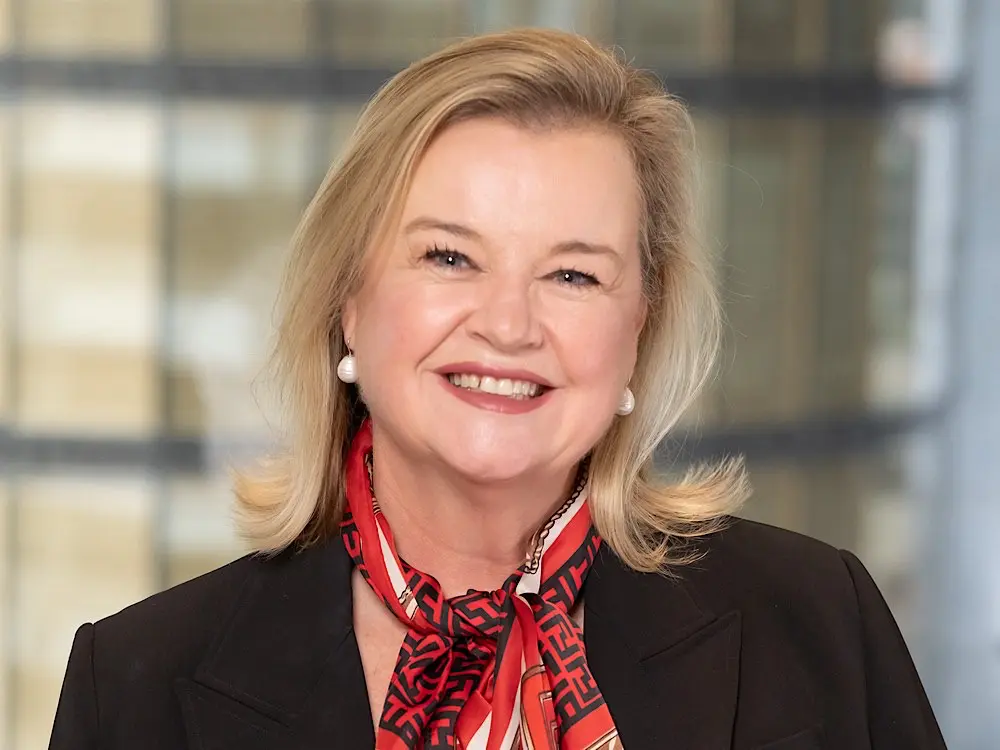
Fiona Dalton has spent decades at the senior end of the travel industry. A respected commercial leader and mentor, she has worked across international aviation, tourism and travel businesses, building a reputation for strategic clarity and direct thinking. Dalton brings decades of leadership experience in the travel industry to the conversation, including a clear view of how menopause intersects with women’s health, talent retention and the future of female leadership in the sector.
For International Women’s Day, Karryon spoke with Dalton about what menopause actually looks like during senior careers, why travel industry conditions can intensify symptoms, and what workplaces can do that goes beyond symbolic support.
Menopause often arrives during a woman’s most senior career years. What does that collision between experience and biology look like in real life at work?
Yes, correct. By the time menopause arrives, many women are operating at their peak. They’re often managing divisions, sometimes entire companies, leading commercial negotiations, shaping strategy, mentoring the next generation, and in some cases sitting on boards. They possess decades of experience, institutional memory and pattern recognition. They know what they’re doing.
And yet internally something is shifting.

Sleep becomes unpredictable and mental clarity begins to fluctuate. Emotional resilience, which is often confused with confidence, that once came easily now requires more deliberate effort. It’s not that one’s ability disappears. It becomes unpredictable. The sense that the body, and in turn the mind, is no longer entirely cooperative at the moment they are needed most.
What can feel confronting is the invisible effort required to maintain consistency.
Many women do not initially realise what is happening. Then they work twice as hard to ensure no one notices.
The travel industry runs on long days, disrupted sleep and constant movement. How can that environment intensify menopausal symptoms?
This is a magnificent industry, but it is physiologically demanding.
Long days at conferences and events, often overseas, with back to back meetings, hosting dinners that stretch late into the evening and early morning commitments, all while maintaining the work output expected at the office.
Add time zone changes, jetlag, air conditioned hotel rooms, extreme weather shifts and alcohol flowing freely at industry events. Every element requires high performance energy.
For women in perimenopause or menopause, these conditions can worsen symptoms, particularly sleep disruption, which is the foundation of everything. Poor sleep affects mood, mental clarity and stress management. It can trigger anxiety, hot flushes, brain fog and overwhelming fatigue.
Many women in travel are exceptionally resilient. They can run an event on four hours of sleep, land in a new country and perform immediately. That resilience is often built over years. It can also come at a cost.
What are employers still getting wrong about menopause?
The biggest mistake is treating menopause as a marginal or private issue.
It is a natural life stage that intersects directly with leadership, productivity and retention. Yet when organisations do acknowledge it, the conversation often sits inside HR awareness sessions rather than influencing workplace culture or management practice.
Women experiencing symptoms are not seeking sympathy or special treatment. They want consistency, privacy and respect.
One practical change organisations could introduce immediately is normalising short term flexibility for health reasons without requiring personal disclosure.
If someone can say, “I’m managing a short term health issue affecting sleep and would appreciate flexibility on early starts for the next few weeks,” the pressure drops significantly.
How can managers support women without being intrusive or patronising?
Stay focused on outcomes.
Tone matters. Curiosity is far more effective than diagnosis.
There is no need to ask, “Is this menopause?” Instead say, “I want to make sure you’re supported to perform at your best. What would help right now?”
Support might involve temporarily adjusting travel schedules, reducing late night commitments, reordering presentation times, reprioritising projects or allowing hybrid participation where practical.
The goal is performance continuity, not labelling the issue.
What do colleagues need to understand about brain fog, fatigue or mood shifts?
They are not character flaws.
Hormonal shifts can affect concentration, memory retrieval and mood regulation. That does not mean someone has become less capable.
Brain fog is not about intelligence. It relates to retrieval speed and cognitive load. Fatigue is often linked to sleep disruption rather than poor discipline.
The most useful response from colleagues is simple. Pause before judgement.
If someone needs a moment to gather their thoughts, allow it. If they seem quieter than usual, do not assume disengagement. If a detail is forgotten, share the note without commentary.
Empathy sits at the centre of strong workplace culture.
From a leadership perspective, what happens when organisations ignore menopause?
Women leave quietly.
Not through dramatic exits but through gradual withdrawal. They decline stretch roles. They reduce travel. They step away from visibility.
Eventually some leave entirely. Not because ambition disappears but because maintaining high performance without support becomes exhausting.
This often occurs at the point where women reach peak strategic maturity. Organisations lose experience, mentoring capability and leadership depth. Executive teams weaken and succession pipelines shrink.
Ignoring menopause carries a real organisational cost.
What advice would you give women navigating menopause while trying to remain ambitious and visible?
Firstly seek medical advice early, preferably from a doctor with specific expertise in menopause.
The science has evolved significantly and relying on the experiences of previous generations can be misleading.
Protect your health. Prioritise hydration, movement and sleep. Strength training and nutrition become increasingly important.
Protect recovery time with the same discipline applied to meetings. If dinners run late, create space the following morning. If travel is intense, build decompression time into the return.
Do not confuse menopause symptoms with identity.
If confidence fluctuates, anchor yourself in your experience. Prepare strategically with notes, prompts and agendas. Not because you are incapable but because you are managing performance intelligently.
Performance can continue. It may simply need to be structured differently.
If someone does not feel safe raising menopause at work, what small steps can help them advocate for themselves?
Keep the conversation practical and professional.
Focus on performance continuity. For example: “I can deliver the same outcomes if we adjust the timing of X over the next six weeks.”
Find a trusted ally. A peer, mentor or sponsor who understands your value and can reinforce your visibility during periods of fluctuation.
If direct conversations feel unsafe, formal pathways such as flexible work arrangements or medical documentation can support temporary adjustments.
KARRYON UNPACKS: If companies want International Women’s Day to mean something beyond morning tea, the real test is whether the celebration turns into practical support once the speeches are over.