




Flights grounded. Airspace closed. 115,000 Australians caught in an expanding war zone with no clear way home, and families across the world glued to screens waiting for news. Every Middle East crisis headline covers the conflict. Almost none cover the travel industry workers holding everything together.
Like many travel advisors, Brisbane’s Jo Kennedy hasn’t slept properly in over a week.
The Travel Associates advisor has clients stranded in Jordan, more scattered across Europe, and a phone that hasn’t stopped ringing since airspace closures turned a weekend into a rolling crisis. Midnight finishes, most nights. And now into a second week of it.
She is far from alone.
Across Australia, travel advisors have spent this past week doing exactly what they did during COVID. Rebooking. Rerouting. Reassuring.
In Tamworth, Chris Watson has barely left his desk since it started. In Pottsville, Vanessa Tokatly from The Runway Traveller says she has become equal parts logistics expert, strategist and therapist. In Caringbah South, Geoff Currie at Luxe by iTravel, with 85 to 90 per cent of his European bookings routed through Emirates or Qatar Airways, is already mapping a wholesale shift toward Asian carriers and Turkish Airlines.
We’ve seen and heard the same story from our travel advisors Australia-wide this week.
And almost nobody is writing about them.
What story are the headlines missing?
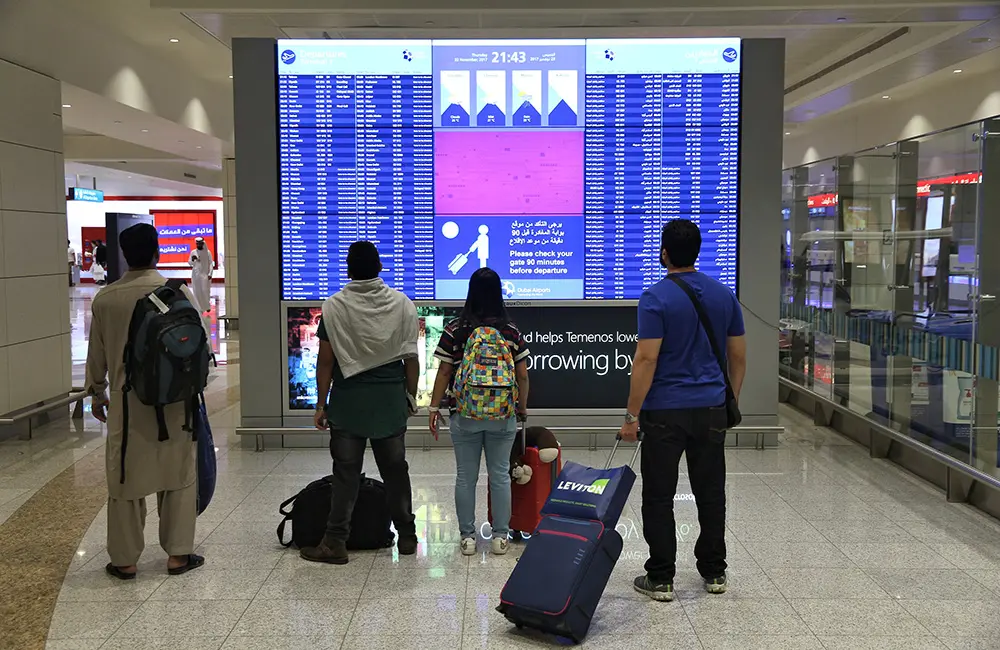
Over 23,000 flights cancelled. More than 10 million seats grounded in the first days alone. Eight nations with closed or restricted airspace. Virgin Australia flights turning back mid-air over the Indian Ocean. DFAT estimates 115,000 Australians are in the affected region. Everyone watched the planes. Almost nobody asked about the people working inside them, or the ones getting them there.
The concierge in Abu Dhabi still showing up while drones fly overhead. Hotel staff looking after displaced guests while worrying about their own families. Crews on cruise ships keeping passengers fed, calm and informed while stuck in port. The Emirates ops team that somehow got flight EK414 into Sydney on Wednesday, the first commercial service out of Dubai in days. Aircrews working back-to-back repatriation legs while one passenger, downgraded from First Class to Business on the last seat out of Dubai, complained bitterly. Entitlement gone nuts.
And it’s the operators and suppliers across the board. Wholesalers, cruise lines, ground operators, DMCs. The whole supply chain has mobilised. That’s decades of relationships, built trip by trip, phone call by phone call.
These are travel industry people. Our people. Our community. They don’t make the front page. But they should.
Haven’t we done this before?
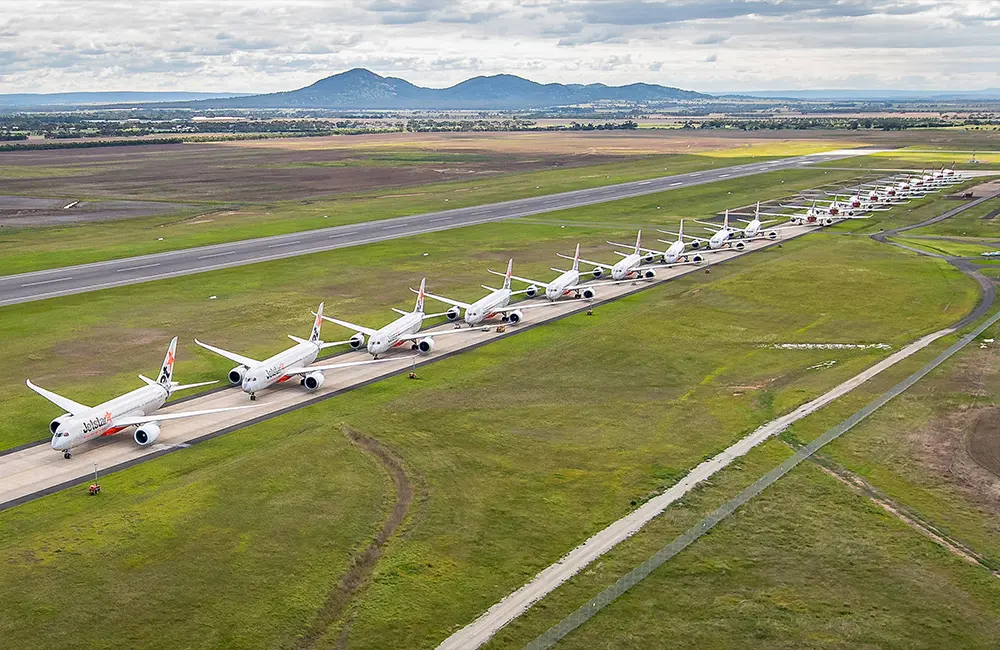
Not that any of us need reminding. Five years ago, the industry spent two years in permanent crisis mode. Advisors and industry professionals became grief counsellors, refund processors and emotional sponges for anger that wasn’t theirs. Many burned out. Some left entirely.
But the industry that came out the other side is not the same one that went in. It has evolved significantly and positively. One of the biggest shifts? Service fees.
Speaking late last year at the Link Live Conference in Brisbane, Sharyn Kitchener from Mosman Travel and Mary Rossi Travel in Sydney, with over four decades in the game, put it plainly: “We really grew up in COVID and realised how vital we are.” When clients say they can book their own airfare, she tells them: Go ahead. But when the flight gets cancelled, and you’re on hold for five hours, don’t call me.
“When there is a disaster in the world, we can shine. For that small booking fee, it’s the biggest value-added service we offer,” she said.
She’s spot on. The old line, “without a travel agent, you’re on your own,” has never held more currency than in a week like this one.
Everyone is, of course, getting on with it. It’s how it works in travel. But there’s a real cost to being the person everyone calls when things fall apart. The toll isn’t dramatic. It’s cumulative. The Sunday night that never ends. The guilt of going to bed or taking the kids to sports when a client is still stuck in Amman.
Anna Shannon from Travel Agent Finder in Casuarina put it well: “Trust isn’t built in calm waters. It’s built in moments like these.” She’s right. But the reverse is true too. Advisors will also need support as the conflict broadens.
And yes, AI is helping behind the scenes, crunching rebooking logistics at a scale no human team could match. That’s an incredible advancement. But AI doesn’t call a stranded family at 4am to say it’s going to be okay. It doesn’t hear the crack in someone’s voice and know to slow down. Right now, empathy is doing the heavy lifting. There’s no algorithm for that yet. Long may that be the case.
Why together in travel is our mantra
After COVID, we talked a lot about resilience, which in so many ways became the buzzword of the time. But resilience isn’t a slogan. It’s a practice.
Some analysts predict this conflict could stretch into September. Perhaps longer. If that holds, this isn’t a brief disruption. It’s a wholesale reshaping of how the world flies and where it travels to and from for work and pleasure.
ATIA CEO Dean Long’s message this week has been blunt: do not cancel. Alternative routes exist. But navigating them through the demand diversion, as it’s being coined, takes expertise. Which is exactly where advisors, together with the airlines, are doing the heavy lifting.
Side note: Dean Long and the team at ATIA should be commended for an extraordinary job this week, diligently getting the word out on behalf of the industry across a wide range of media since the crisis began.
That nagging early-pandemic feeling has crept back for me this week. Incessantly poring over the news and inbox updates. Anxiety rising. Thinking it’ll all be over soon, as we all thought back in 2020. But this is different again. So, a reminder, to myself as much as anyone: take the screen breaks. Sleep when you can. Eat well. Control the controllables only. Pace accordingly.
As we know, travel has the power to change the world for good. In a world that feels more divisive by the week, that matters more, not less. Andrew Sullivan from The Don’t Forget Travel Group called it the industry’s super power: showing up when it matters most. He’s not wrong.
If this runs for months, and it may well (because who honestly knows), we are in for a long one. But the people in this industry don’t just sell travel or become willing hosts. They believe in what it does. That’s why they’re still on the phones at midnight. That’s why they showed up after COVID. That’s why they’ll show up again. They just shouldn’t have to do it alone.
So here’s to the ones nobody’s writing about. We see you.
If you’ve got an experience or story to share related to this story, I’d love to hear from you. You can email me at [email protected]