


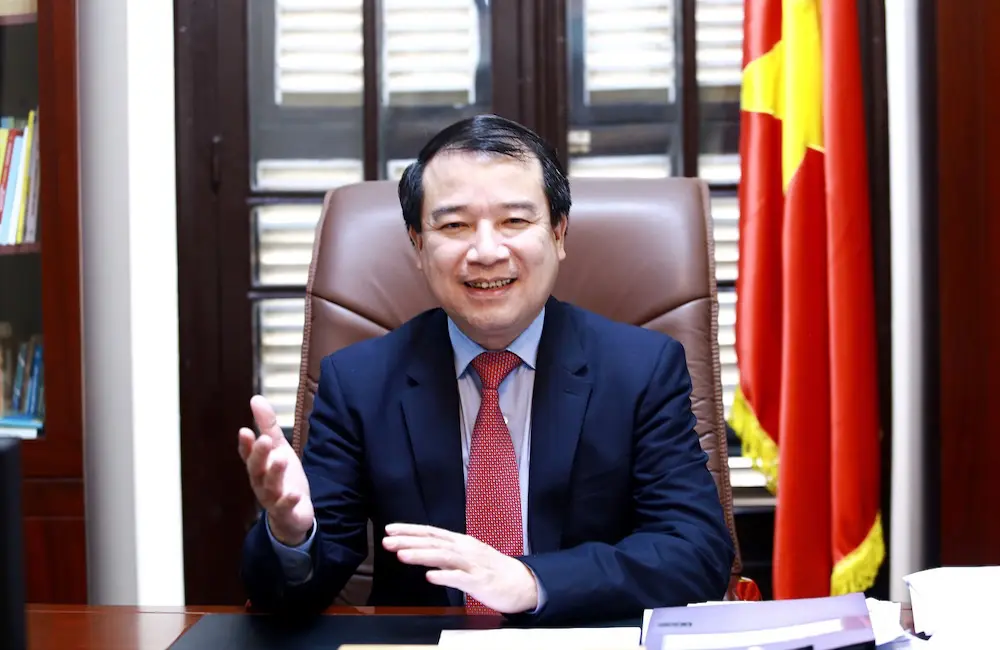
In the tourism race, Vietnam’s star is rising. In 2025, it was one of the fastest-growing destinations for Australian travellers, behind only China – and even ahead of Japan. To learn more about the latest trends, the country’s tourism goals and the importance of Australian advisors in growing travel, we catch up with the Vietnam National Authority of Tourism (VNAT) Vice Chair Dr Ha Van Sieu.
With its cheap eats, unabashed locals and some of the prettiest scenery you’ll find in Asia (not to mention growing air access), expect Vietnam tourism to shine even brighter. Indeed, official data for January 2026 shows short-term travel to the Asian nation grew by over 20 per cent to start the year. And authorities don’t predict its popularity among Aussies will stop there. But as travel to the country booms, visitors are also being urged to travel beyond traditional hubs (and off-peak) to support sustainable growth.
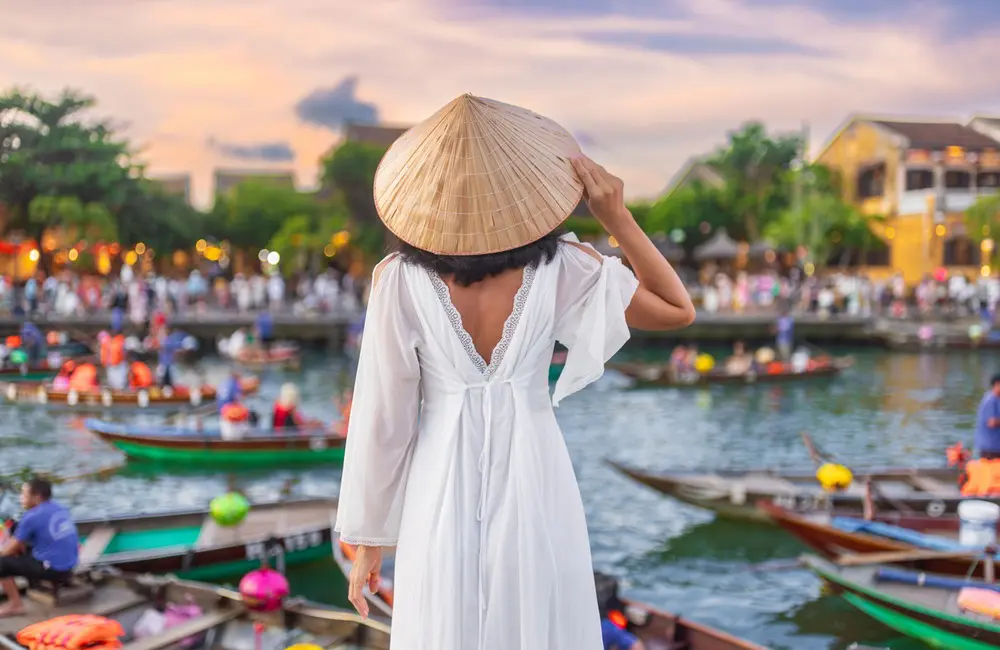
Vietnam has seen strong growth from Australia – what’s driving demand, and how do you see the market evolving?
In 2025, Vietnam welcomed nearly 549.000 visitors from Australia, representing growth of 11.7% compared to 2024, and reflecting the steady development of the Australian market.
Vietnam’s appeal to Australian travellers is supported by improved air connectivity, a rich cultural heritage, diverse culinary offerings and a wide range of tourism products, alongside targeted tourism promotion activities implemented in the Australian market.
Over the next 12–24 months, we expect the Australian market to maintain positive growth, contributing to Vietnam’s broader tourism objectives, including the goal of welcoming 25 million international visitors in 2026, with Australia remaining one of Vietnam’s key source markets.
Which demographic segments are especially drawn to the country right now?
From the Australian market, Vietnam is seeing clear interest from traveller segments that tend to stay longer, seek quality leisure experiences and look for authentic engagement with culture, heritage and nature.
Segments such as families, high-quality leisure travellers and experience-driven travellers align well with the positioning of “Vietnam – Timeless Charm – Authentic Experiences, Embracing Green Heritage”, through itineraries that combine relaxation, heritage exploration and sustainable experiences.
These are also the priority segments that Vietnam seeks to reach through close cooperation with the Australian travel trade and agent community.
On that, how important is the Australian trade and agent community to VNAT’s strategy?
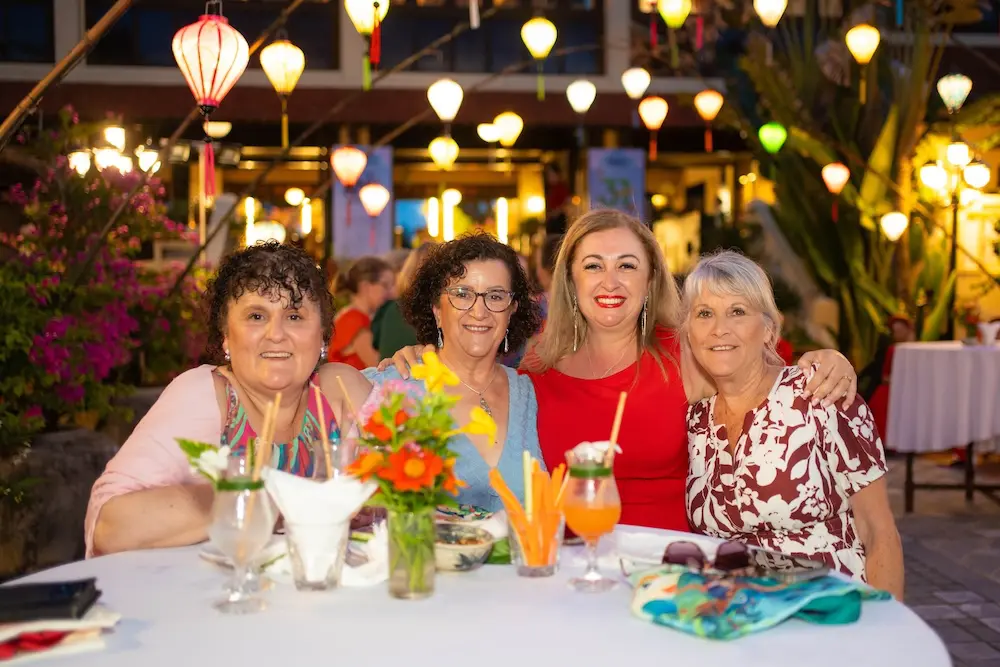
While independent travel continues to grow, we believe that the Australian travel trade and agent community remains a cornerstone of Vietnam’s strategy for developing the Australian market, particularly in product development, packaging and supply chain connectivity.
The Vietnam Tourism Promotion Program held in Australia in late November 2025 strengthened direct exchanges and established closer cooperation between Vietnamese tourism businesses and the Australian travel trade and agent community, reflecting strong interest from the market.
Building on this foundation, in 2026, Vietnam will continue to prioritise collaboration with Australian tour operators and travel agents through B2B promotion activities, business matching support, and the provision of up-to-date information on destinations and tourism products.
In addition, destinations such as Da Nang and Ho Chi Minh City have introduced city-level support policies for tour operators sending visitors to Vietnam, particularly for MICE groups. Both cities also host international travel trade events and welcome Australian tour operators to attend the ITE HCMC in August and the Da Nang International Travel Fair (DITF) in October as hosted buyers.
What new itineraries, experiences, or developments should advisors highlight to clients to maintain momentum in bookings?
Looking ahead, Vietnam encourages Australian tour operators and travel agents to highlight multi-day itineraries that connect multiple destinations and combine culture, heritage, nature and leisure.
Products linked to heritage, community-based tourism, green tourism, rural tourism and local culinary experiences align well with the interests of Australian travellers seeking authentic experiences.
Several destinations are particularly positioned for the Australian market, including Hanoi, Ha Long, Sapa, Ninh Binh, Da Nang, Hoi An, and the Mekong Delta.
Developing and promoting in-depth itineraries that extend beyond traditional tourism hubs will help sustain booking momentum and enhance the effective development of the Australian market.
What impact do you expect record air access to have on shoulder-season travel and visitor dispersion?

The expansion of direct air services and seasonal flights between Australia and Vietnam has improved accessibility and provided travellers with greater flexibility in choosing their travel timing and itineraries.
This supports efforts to attract visitors during shoulder and off-peak periods, while encouraging travellers to extend their journeys and explore a wider range of destinations associated with nature, heritage and local experiences.
As a result, enhanced air connectivity contributes to a more balanced distribution of visitor flows and supports the sustainable development of tourism.