



Five luxury cruise line leaders told Karryon at the Virtuoso Australia and New Zealand Forum in Tāmaki Makaurau (Auckland), that demand remains robust despite the Middle East airspace closures, with advisors successfully rerouting clients and cancellation rates minimal across the luxury sector. Matt Leedham reports from Auckland.
Reading the sensationalised media headlines these past few weeks, you’d be forgiven for thinking the travel industry was in complete freefall. Obviously, there are plenty of challenges. But the reality, as we in the game know, is far more nuanced.
“We came off a record month. In February, sales were flying,” Steve Richards, Managing Director of AmaWaterways Australia and New Zealand, told Karryon. Then the airspace closures hit. “We’ve seen a slowdown in the inbound inquiry, and sales have slowed. But nothing too dramatic.”
The airspace closures that swept across the Middle East from 28 February have grounded tens of thousands of flights, disrupted Gulf carrier networks and left advisors scrambling to deal with clients booked on European and Middle Eastern cruise itineraries.
The upside? A live poll of Virtuoso’s ANZ members at the forum found just 7 per cent of their clients had cancelled outright. Of the rest, 71 per cent were rerouted to alternative destinations, and 21 per cent were postponed to later dates. The cruise line leaders I spoke to told a similar story.
Airlift, not itineraries, is the pressure point
“It will come down to airlift, more than itinerary,” Lisa Pile, Vice President Sales and General Manager, Asia Pacific, for Regent Seven Seas Cruises and Oceania Cruises, told Karryon. Neither brand has ships sailing in the affected region, she said.
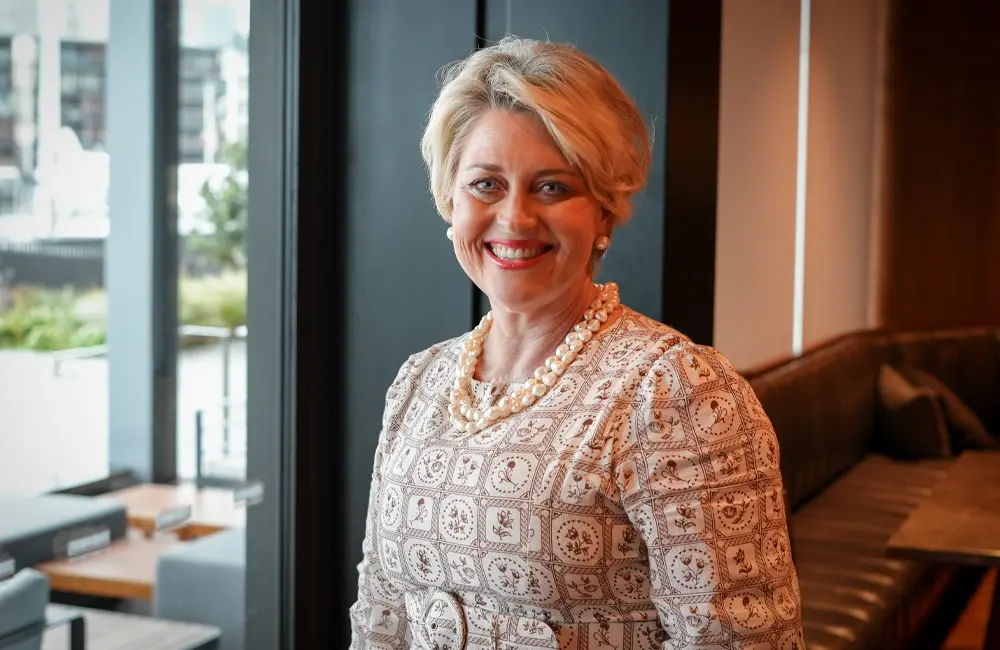
“All the advisors I have spoken to are still very upbeat about the season. Their clients still want to travel,” Pile said. She described cancellation rates as “very low” and added: “A lot of that is not cruise.”
Pile also pointed to shoulder-season Europe as an alternative, underrated option, with both Regent and Oceania promoting what they call the “quiet Med season” in late autumn. “The weather has been divine on those sailings. Everyone’s happy,” she said.
The trend continues: Rebooking, not cancelling

Sebastian (Seb) Seward, Vice President and General Manager, Asia Pacific, for The Ritz-Carlton Yacht Collection, said January and February had been “gangbusters” before March cooled. But guests were moving bookings, not walking away.
“We haven’t seen too many cancellations. It’s been more people looking to rebook, sometimes different destinations or same destination but pushing back to next year or later in the season,” Seward said.
“We’ve seen some shift from people that were due to go to the Med and they’ve switched into our Japan round trip,” he said.
That sentiment aligns with broader Virtuoso polling showing Asia absorbing 90% of redirected demand from the Middle East disruption.
PONANT’s Director of Sales, Asia Pacific, Julie Rogers, said the French expedition line had repositioned ahead of the crisis. “We had already moved our ships out of the Middle East 18 months ago, and redeployed them to Africa,” Rogers told Karryon.
“The only effect the Middle East is having on us is that people are planned to go to Europe in the next few weeks. So they’re asking the questions, what if I can’t get there? At the moment, the travel advisors have rerouted them. There haven’t been any problems,” she said.
‘This isn’t fear-driven decision making’
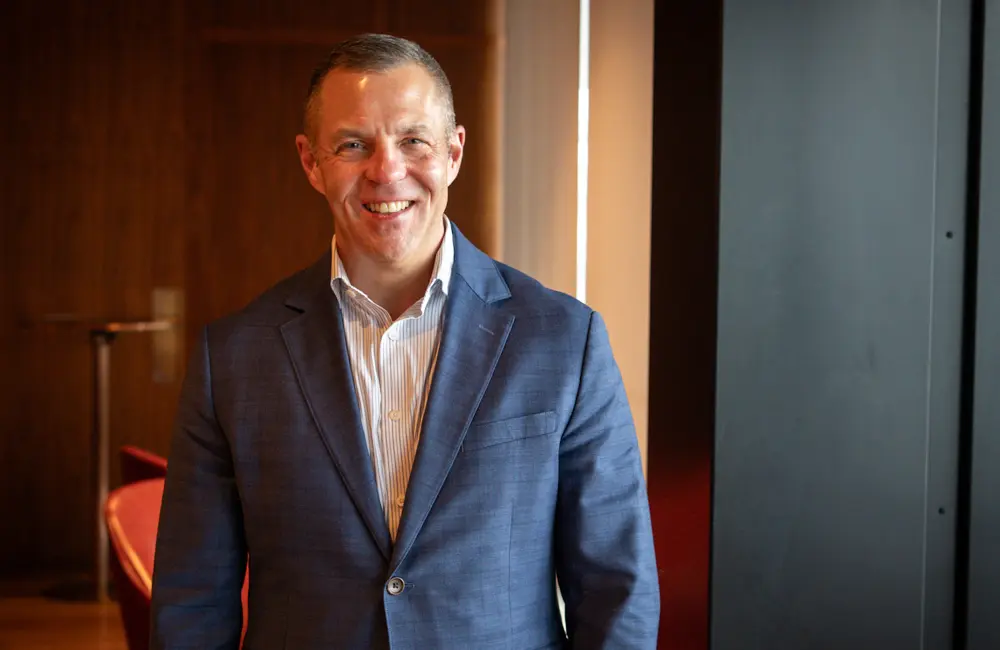
Seabourn’s Senior Vice President of Sales, Rob Coleman, said the opening weeks had been a period of “watch and see”, but the Australian market was holding firm.
“This isn’t fear-driven decision making. This is decision-making around the complexities or the frustration of a little bit of uncertainty, but people are resilient and want their vacation plans to come through,” said Coleman.
Coleman said Seabourn’s 2027 bookings were still pacing well, in a sign that consumer confidence extends beyond the immediate disruption.
Richards echoed that optimism. “Once it ends, it’ll ramp up again very quickly. The appetite to travel is too high,” he said. AmaWaterways, he added, was offering advisors flexibility on final payment extensions to help manage clients through the uncertainty.
Plenty of bucket list alternatives
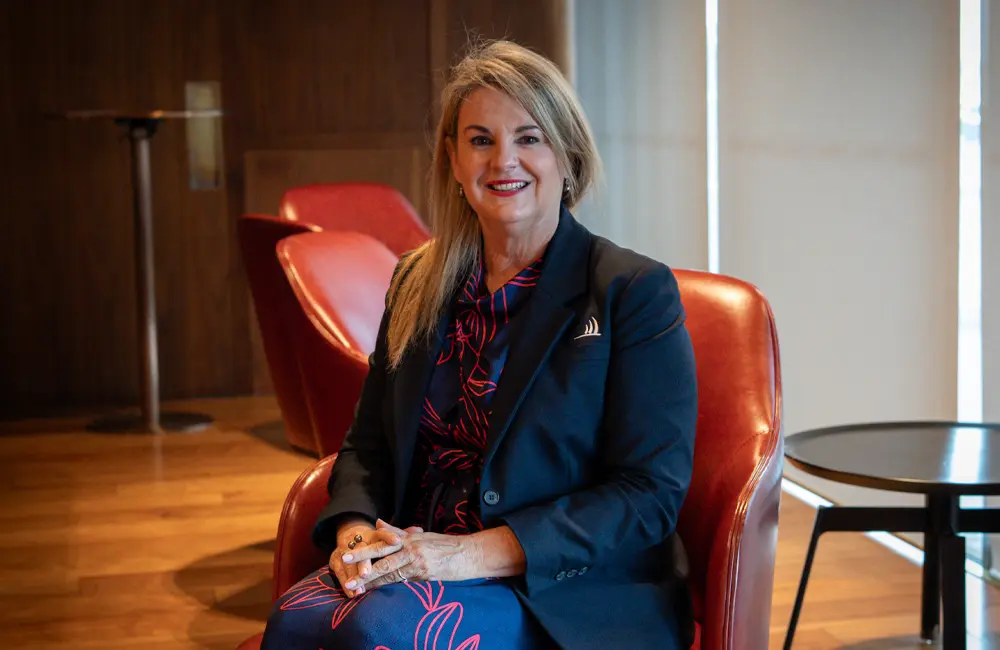
“In the luxury space, consumers still want to travel, and they will travel,” Rogers said. “Luxury travellers are resilient.”
Pile put it simply: “No matter what is going on, travel is a rite of passage. The tyranny of distance has meant that we want to travel.”
If Europe becomes harder to reach, Pile urged advisors to look beyond the Mediterranean. “Let’s look at what the alternate bucket list items are. And there are plenty,” she said, pointing to Japan, Alaska, Northern Europe, North America and South America as strong options.
Rogers highlighted a growing list of close-to-home options, including PONANT’s Kimberley season, a new French Polynesian expedition program tied to the upcoming Air Tahiti direct flights from Australia, and newly announced Philippines and Borneo itineraries.
“Those itineraries are amazing. It’s exciting to have more close-to-home destinations that we can focus on,” she said.
Catch up on all of Karryon‘s coverage from the Virtuoso ANZ Forum in Auckland.
- Virtuoso wraps ANZ Forum with human connection front and centre as Upchurch marks 40 years
- Virtuoso reveals 2026 ANZ award winners at Auckland Forum
- Virtuoso ANZ Forum 2026: Only 7% of clients cancelling travel despite Middle East crisis
- ‘Beware the threat of sameness’: Virtuoso opens Auckland ANZ Forum with timely reminder
KARRYON UNPACKS: The message from five cruise line leaders is consistent: reroute, don’t cancel. Advisors navigating the Middle East disruption should explore shifting Mediterranean-bound clients to Japan, Alaska, or closer-to-home options such as the Kimberley and French Polynesia. Several lines are also offering flexibility on final payment deadlines and transfers to later sailings, giving advisors practical tools to keep bookings on the books rather than losing them entirely.