


Australians landing in Europe from today will notice something new at the continent’s border – and it may take a little longer to get through.
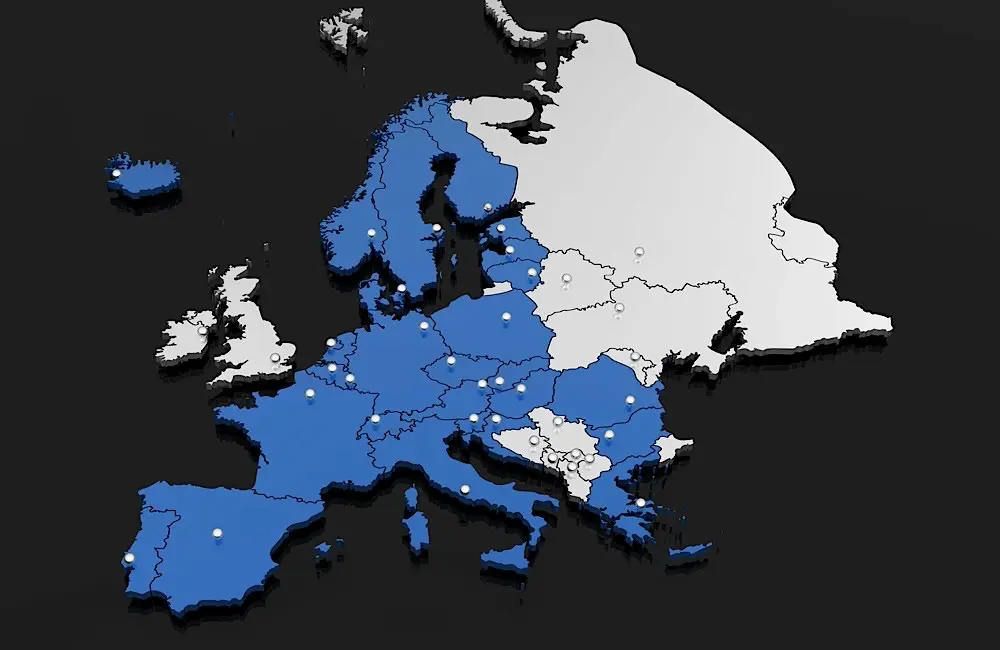
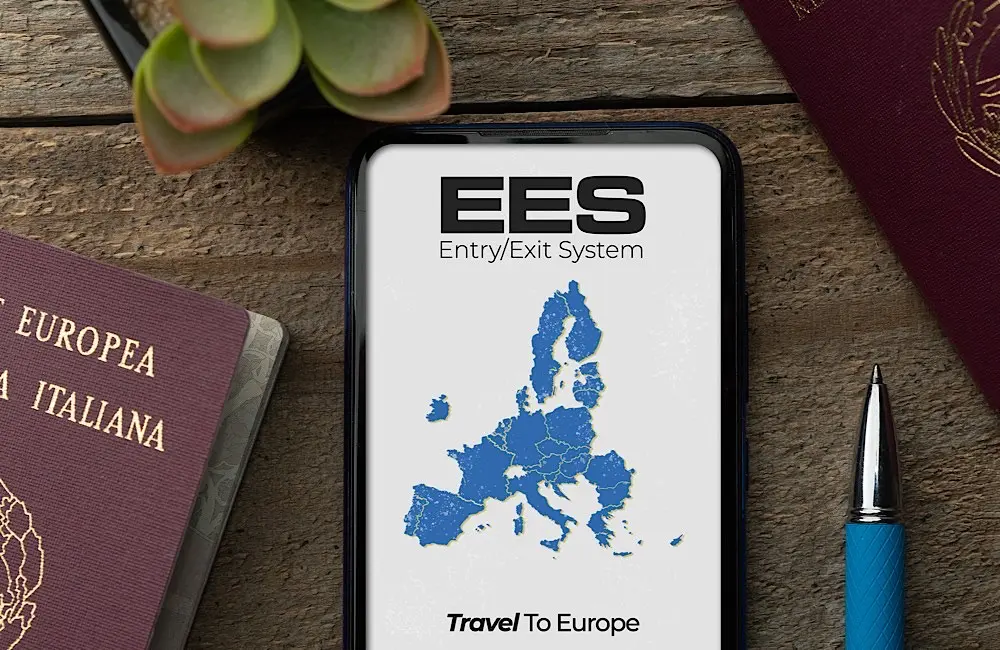
The European Union’s Entry/Exit System (EES) is now officially fully live, replacing passport stamps with biometric checks across the Schengen zone.
Under the new system, non-European Union travellers, including Australians, must provide fingerprints and a facial scan on arrival and departure. The process also records passport details digitally, tracking stays within the 90-day Schengen limit.
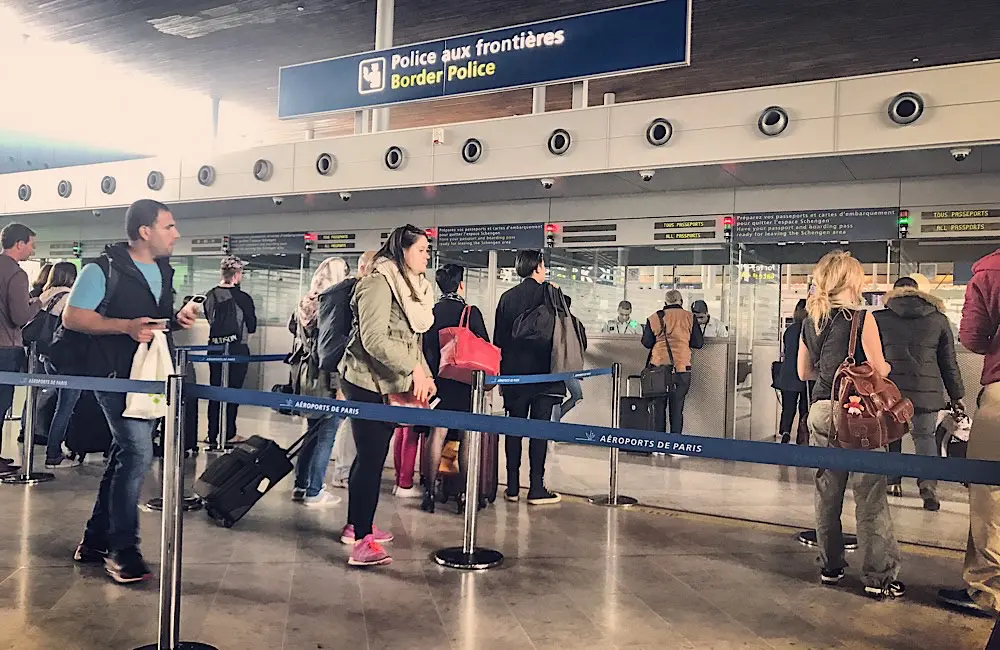
While the move aims to strengthen border security and streamline data, industry bodies warn it could initially slow things down.
The Department of Foreign Affairs and Trade (DFAT) and the International Air Transport Association (IATA) have both flagged longer queues at major airports, ports and rail hubs, particularly during peak travel periods.
Yesterday, in a Smartraveller update for several EU nations – including France, Germany, Sweden, the Netherlands and Belgium, DFAT warned Australians that “there may be longer border queues” due to the new entry rules.
While full implementation of the new rule kicks off today, many EU nations have been gradually introducing the new process at their external borders for around 12 months. And it’s already been causing some headaches.
Earlier this year, IATA – along with ACI EUROPE (Airports Council International) and A4E (Airlines for Europe) – warned that the EES was creating “significant delays for passengers” who were already subjected to the system.
“Failing immediate action to provide sufficient flexibility, severe disruptions over the peak summer months are a real prospect, with queues potentially reaching 4 hours or more,” the groups said in a group statement at the time.
Thousands of travellers were also reportedly denied entry due to documentation issues or the inability to justify their visit.
Like any large-scale rollout, the first weeks are predicted to be a testing phase. And while the first time travellers use the system is anticipated to take the longest, returning visitors are expected to move through faster using stored biometric data.
Importantly, the EES applies at the first point of entry into the Schengen area. That means Australians transiting through major hubs like Paris, Frankfurt or Rome may face delays before continuing onward.
Looking ahead, the EES is just one part of Europe’s broader border overhaul. The European Travel Information and Authorisation System (ETIAS), due later in 2026, will require Australians to apply for pre-travel clearance before departure.
For now, the EES is free to use, but it marks a significant shift in how travellers enter Europe – and how travel advisors prepare them.
KARRYON UNPACKS: This is Europe’s “new normal” at the border. For travel advisors, it’s less about fear and more about preparation – set expectations early, build in buffer time, and you’ll avoid headaches later.