





Travelling has become a way of everyday personal and corporate life. So much so that our expectations of what ‘good’ looks like have lifted to complete intolerance of any system shortcomings. Perhaps we’ve forgotten, or possibly chosen to forget, how hard, and how cumbersome travel used to be only a short few years ago.
Remember multi-part ticket booklets? These conjunction tickets were the backbone of air travel, representing a carefully coordinated effort between airlines, travel agents, and passengers. A booklet contained four copies: a flight coupon, a passenger coupon, an agency coupon, and a receipt coupon. While that paper-based process worked reliably for decades, losing one of those tickets could derail an entire journey.
Today’s digital systems have streamlined this dramatically, but they’ve also introduced new vulnerabilities we couldn’t have imagined in the paper era.
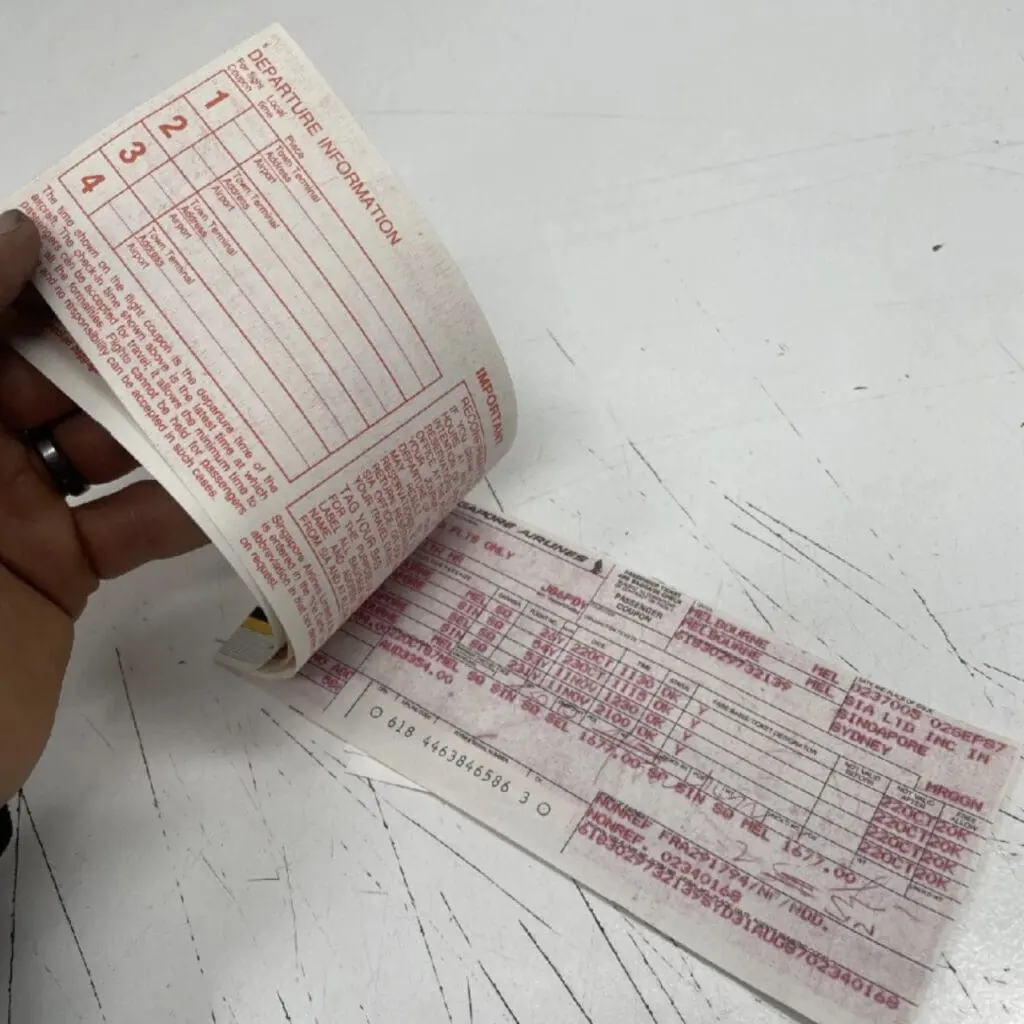
I recently encountered a situation in New Zealand on my flight back to Australia. An outage forced the airport to revert to these booklets to continue its service. Amid an outage, their mitigation plan was paper! Hard to believe this happened in our digital world, but it caused significant chaos and teleported me back to the 1990s.
Despite all the technological advances of modern airports, outages show how fragile and inefficient our systems can be when organisations are forced back to paper.
Is this how close we are to reverting to the past? Surely, we can do so much better to prepare for the worst-case scenario.
Here’s why businesses continue to be challenged in how they react to unexpected interruptions. Most travel organisations still manage incidents reactively, mobilising teams only after a problem has impacted passengers. Engineers scramble to gather fragmented information from multiple systems and disparate teams. But by the time they’ve diagnosed the issue, customers are stranded, social media is on fire, and the travel brand has taken a reputational hit.

We’re seeing this play out across the industry. Two years ago, one of the most technologically advanced airports in the world was hit with a major IT outage. Check-in agents were forced to process passengers manually because self-service kiosks and automated systems were offline. I was there: the queues were unbearably long, and the delays felt like they would never end. I heard similar incidents at other global airlines that resulted in staff handwriting boarding passes.
Organisations cannot wait for an incident to reach this level of catastrophe. Reactive operations cannot keep pace with how quickly and devastatingly IT outages spread. Our travel system relies on a deeply interconnected digital ecosystem. Airlines, airports, hotels, and third-party providers rely on each other to keep the customers moving.
But when one element falters, this can impact everyone. Bookings halt; check-ins stop; baggage piles up. Customers stop receiving journey updates, leaving them stranded, frustrated, and exhausted.
We can do better to prepare for worst-case scenarios by switching from reactive to proactive issue management. This means detecting early warning signals, coordinating first-responders across the world faster and resolving issues before they impact customers.
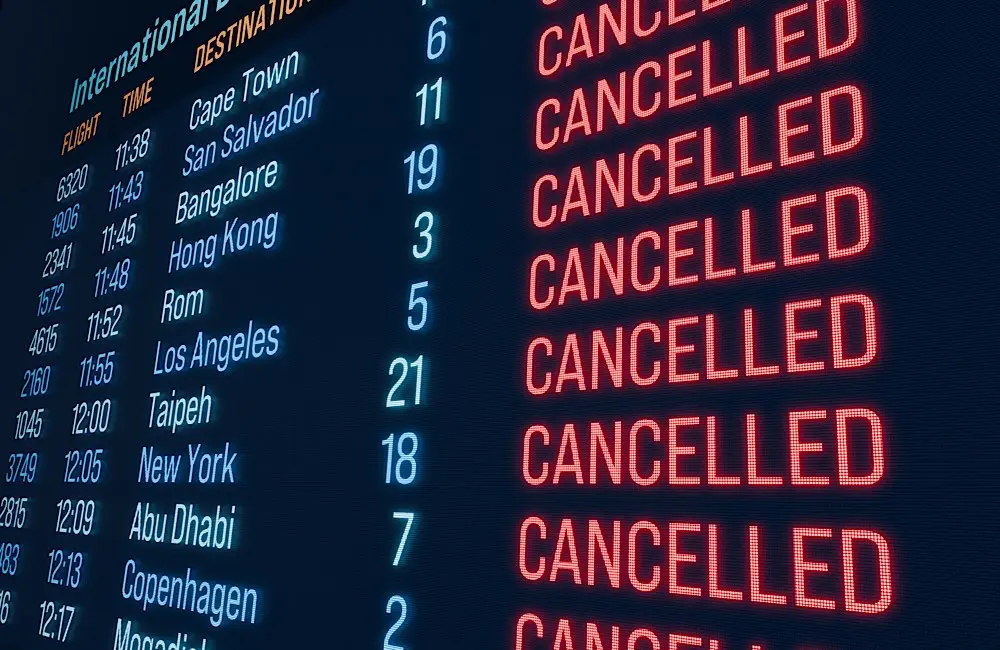
Travel brands can mitigate potential outages by adopting a comprehensive incident management lifecycle. I’ve seen how recent advancements in AI-first operations can supercharge engineers through the incident management process.
During the early stage of an outage, AI helps engineers detect and analyse the problem by reviewing operational signals in real-time, identifying the root cause, and recommending the best course of action based on past successful strategies.
Once the outage is resolved, AI evaluates what worked and what didn’t and refines its responses through its continuous learning loop. Every disruption generates more data on how to respond better.
The travel brands that are most trusted by customers and deliver consistent, reliable travel experiences will be the ones that leverage an AI-enabled comprehensive incident management lifecycle.
Modern outages need modern solutions. It’s time to take the paper tickets off the shelves.
Callum Eade is Vice President, Asia-Pacific at PagerDuty, an AI-powered operations platform that helps organisations detect, manage and resolve critical IT and digital incidents.