



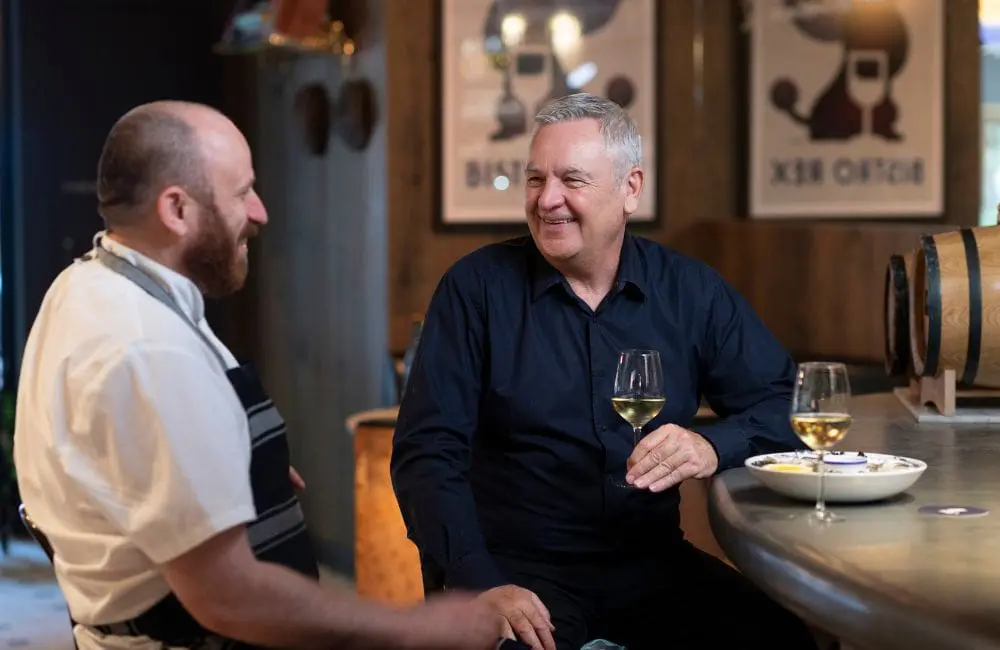
Southern Crossings founder Stuart Rigg sat down with Karryon to talk about its 40th anniversary, travel in troubled times, and how luxury travel is no longer just about personalisation, but rather anticipation.
The awards cabinet is full at Southern Crossings.
It was the first Destination Management Company (DMC) in the Southern Hemisphere to win Virtuoso’s ‘Best On-Site’ award; and founder Stuart Rigg is continuously (and still) named Condé Nast Top Travel Specialist for Australia; listed on the Wendy Perrin wow list for luxury Australian travel; Travel + Leisure’s A-List, and the Robb Report Travel Masters list – the only Australian-based business to feature.
But Rigg says while the awards are a nice thing to have, it’s not what he’s most proud of.
“It’s nice, don’t get me wrong, but for me, it’s about celebrating 40 years with people who have trusted us for decades – that’s the reward”.
Humble beginnings
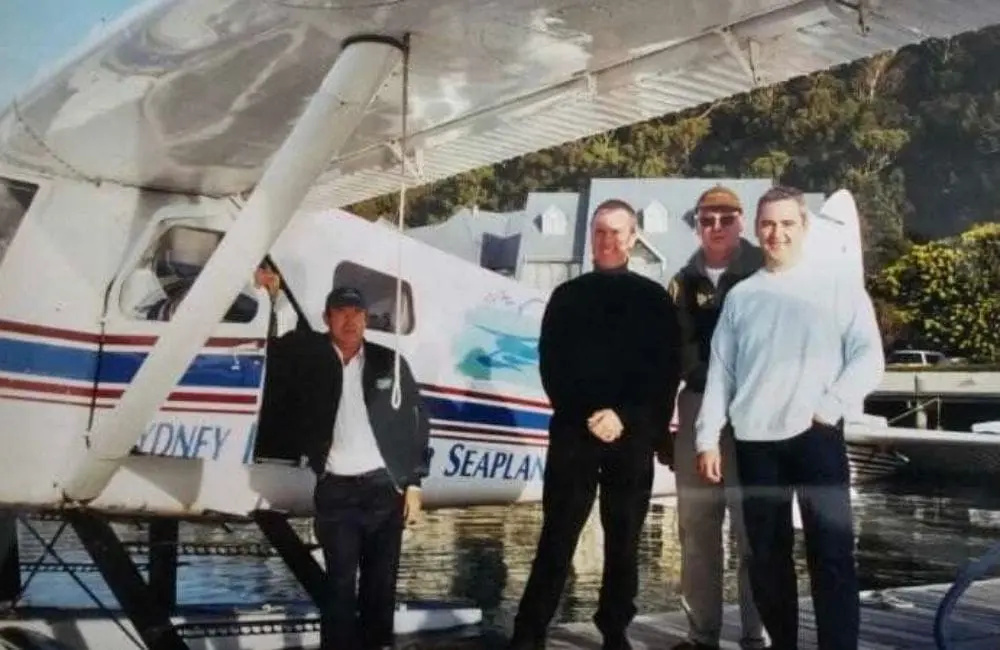
Rigg started Southern Crossings Australia in a terrace house in Sydney, and now has some 35 staff, and has built a reputation as a leading DMC in luxury travel across Australasia – the accolades speak to that.
“ I remember the day of paper airline tickets and the introduction of email, and now we’re getting into the realms of AI, so the industry has changed, and my proudest moment is establishing Southern Crossings when there were just two of us, and this year we’re celebrating 40 years in New Zealand and 25 years in Australia.
“During that time there’s been a lot of ups and downs, but we’ve had consistent growth – we’ve never sought to be biggest; we are true to niche, tailored, bespoke travel and have never duplicated an itinerary.”
“We start with a blank canvas for each guest, and the itineraries are based on them and established from the ground up, and that was a unique model when we started, and we’ve stuck with it, and that’s been our success story.”
Travel in troubled times
“One of the lessons from the pandemic was how important it was to have strong local partnerships, and during COVID we developed and strengthened our relationships with advisors across Australia and New Zealand for clients choosing to stay closer to home, and those remain incredibly valuable to this day,” Rigg says.
“During periods of uncertainty like now, travellers are looking for destinations that are familiar and reassuring and domestic plays an important role in meeting that demand – and we shouldn’t forget the luxury traveller wants to go deeper, not further.”
He says while the geopolitical and economic uncertainty does influence traveller behaviour, it doesn’t reduce the desire to travel.
“What it does mean,” he adds, “is that travellers gravitate towards destinations perceived as safe and Australia and New Zealand do benefit from that; distance can be an advantage when the world feels busy and noisy, and people want space and quiet.”
He says, however, the bottom line is that luxury travellers won’t stop holidaying.
“Unrest and fuel costs and market volatility and investment can influence decisions, but for the high-net worth it demonstrates remarkable resilience, and that’s the market we’re in… and travel now is viewed as not a discretionary purchase; it’s an investment in quality of life and wellbeing.
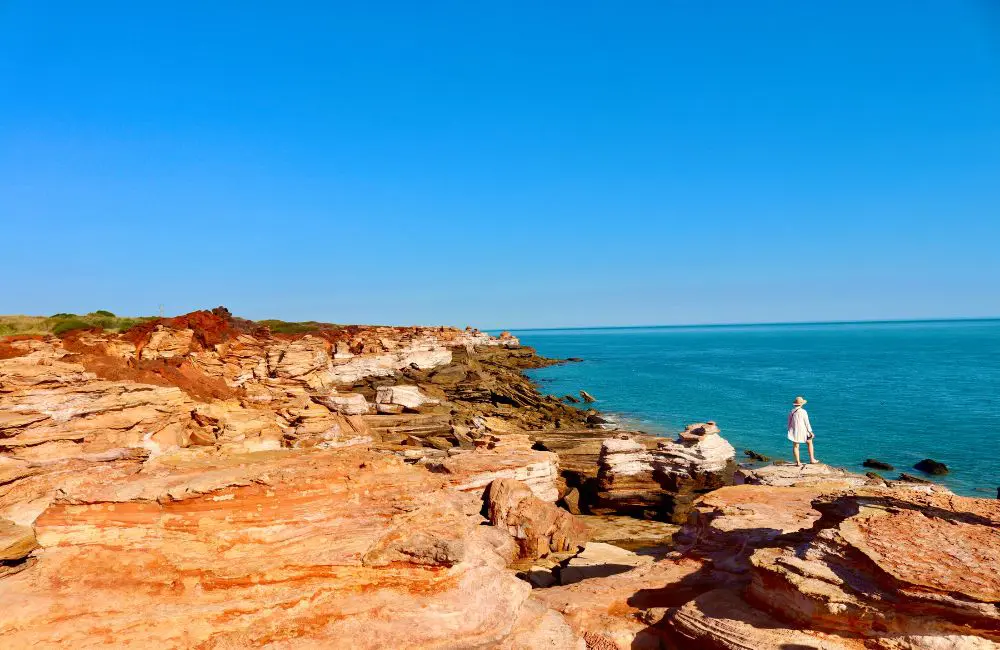
“Travel isn’t negotiable, and we’re a destination that appeals, and in this market travellers are looking at those things that have been on their bucket list, but they’ve held back in favour of Europe or a safari, and now trips to places like the Kimberley are back on the radar.”
The evolution of the luxury traveller
Rigg says looking to the future, we need to remember the luxury traveller knows what they want.
“Luxury travel is no longer just about personalisation. It’s about anticipation; intentional travel and personalisation is a baseline of expectation now, and so it’s not knowing what they want because they can express that well these days; it’s about what they haven’t realised they want or don’t expect.
“Multi-generational travel isn’t new, but there are a lot of new options now with private reef islands and luxury boat charters and this traveller will fly privately with air charter or exclusive small ships and sole-use charter, and COVID expedited that.
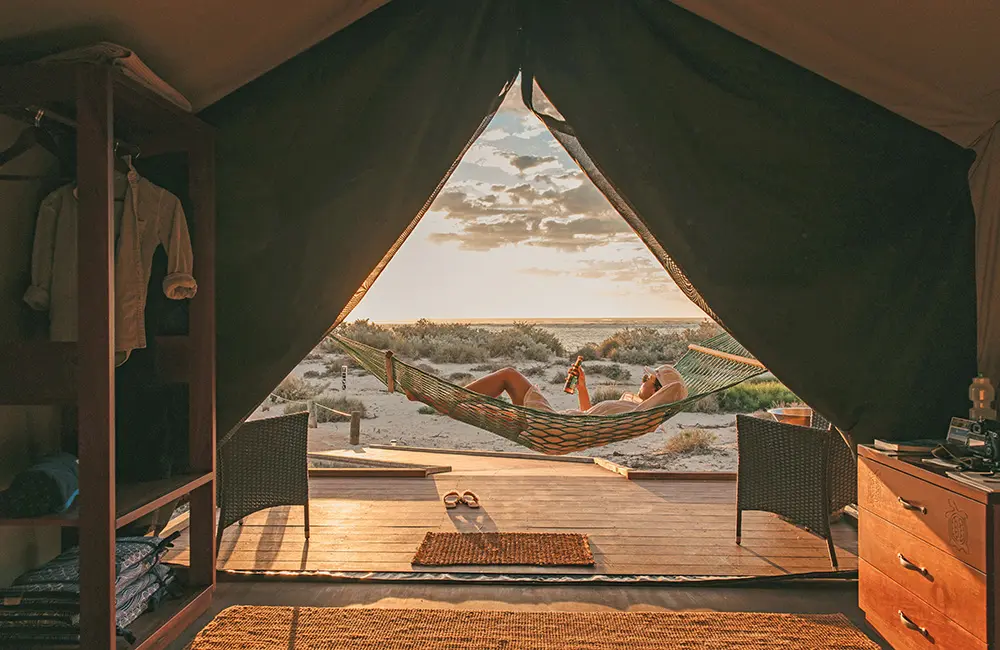
“There’s also a growing demand for barefoot luxury, experiences and destinations that prioritise special locations with authenticity like Sal Salis, where guests step into a luxury wilderness and are right on the Ningaloo Reef.”
He says culinary experiences are also a big growth area for Southern Crossings.
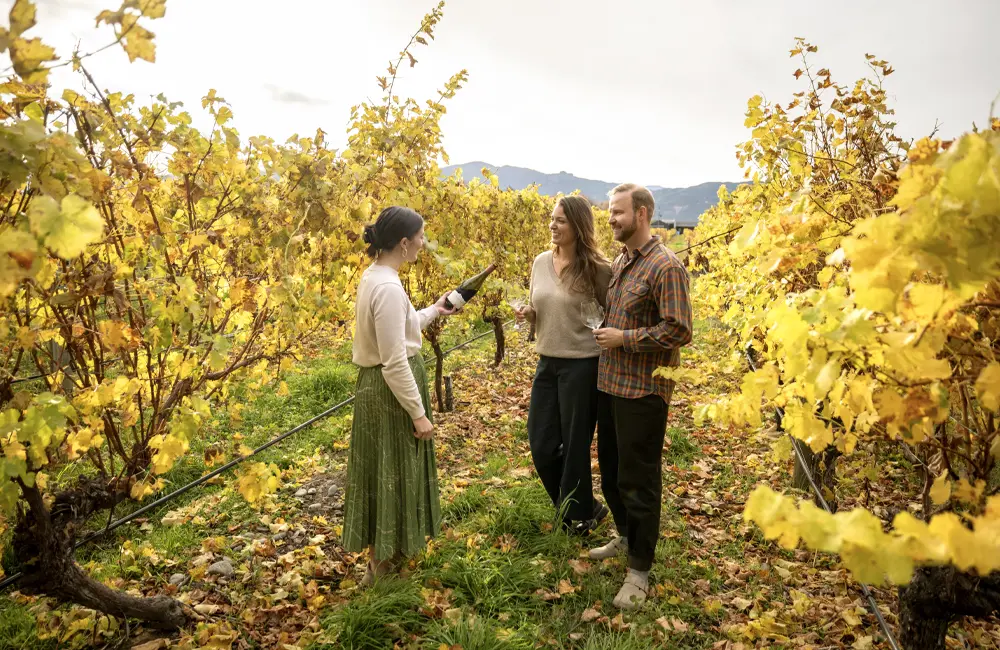
“Luxury travellers are actively choosing destinations for produce as well as the landscape and people, so places where you can source native ingredients with Indigenous cultures and connect with farmers are really powerful, and we now see this as an absolute requirement.”
And he says you can’t downplay events like the F1 and Rugby World Cup, and wellness too where luxury travellers are seeing time to reflect and escape – both areas of continued evolution and growth in the luxury travel sector.
He says while travellers also do use AI, it does lack local knowledge.
“It has value for inspiration, but it lacks nuance and local knowledge, and that’s where we get to design an exceptional itinerary.
“Someone once said, ‘the role of technology is to automate the predictable so we can humanise the exceptional’. The luxury advisor is valued for their ability to curate highly personalised journeys through us where we can unlock privileged access and provide confidence through first-hand experience, and AI can’t replace that.”
Southern Crossings legacy
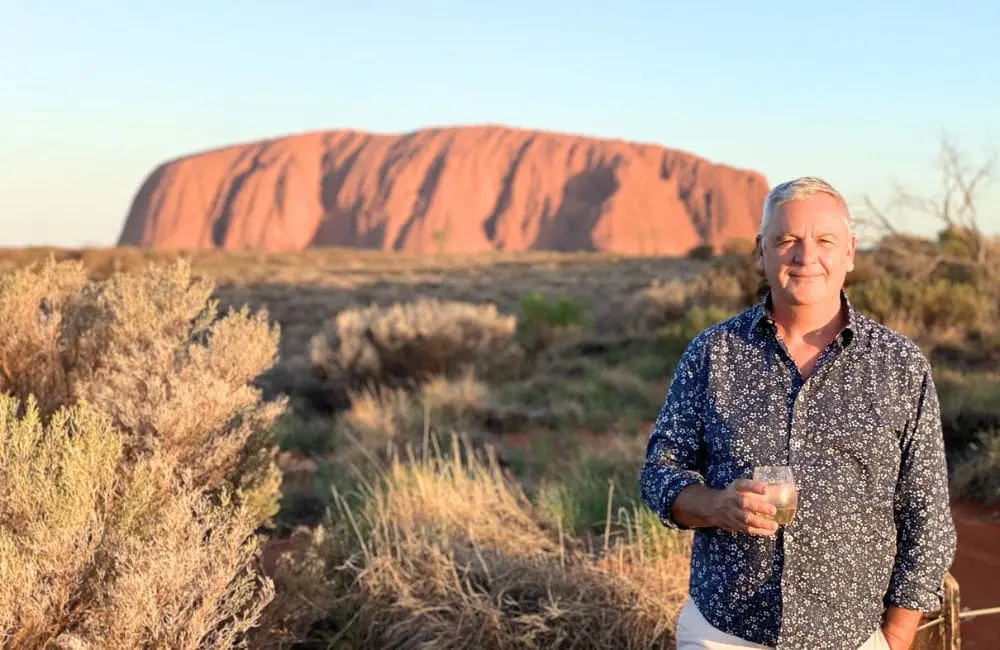
“We’re now at 40 years, and our focus remains on creating meaningful, personalised connections between travellers and the destination. It’s about unprecedented access.
“It’s lovely to be recognised with awards, but I don’t think the greatest accolade is an award; it’s about trust and partnerships.
“I am proud of what we’ve achieved, and proud to be here, in Australia, while I have British roots and get back a few times a year… Australia will always be home.”
For more information, visit Southern Crossings.