


HX Expeditions has reported a 12% reduction in direct CO₂ emissions alongside record levels of science-led activity in its 2025 ESG Report — the company’s ninth since 2017.
Released as HX marks 130 years of polar exploration, the report pairs measurable environmental progress with the launch of its first long-term sustainability strategy, outlining clear targets through to 2030.
A 12% cut in direct CO₂ emissions, a record 46,466 guest-led citizen science observations and 1,652 cabin nights dedicated to scientists headline the report, underscoring the scale of activity across HX’s sustainability, research and guest engagement initiatives.
The latest report also signals a step forward in transparency and accountability, with HX aligning its disclosures with European Sustainability Reporting Standards (ESRS) and introducing a new destination-level approach to tracking environmental and community impact across its global voyages.
What the numbers show
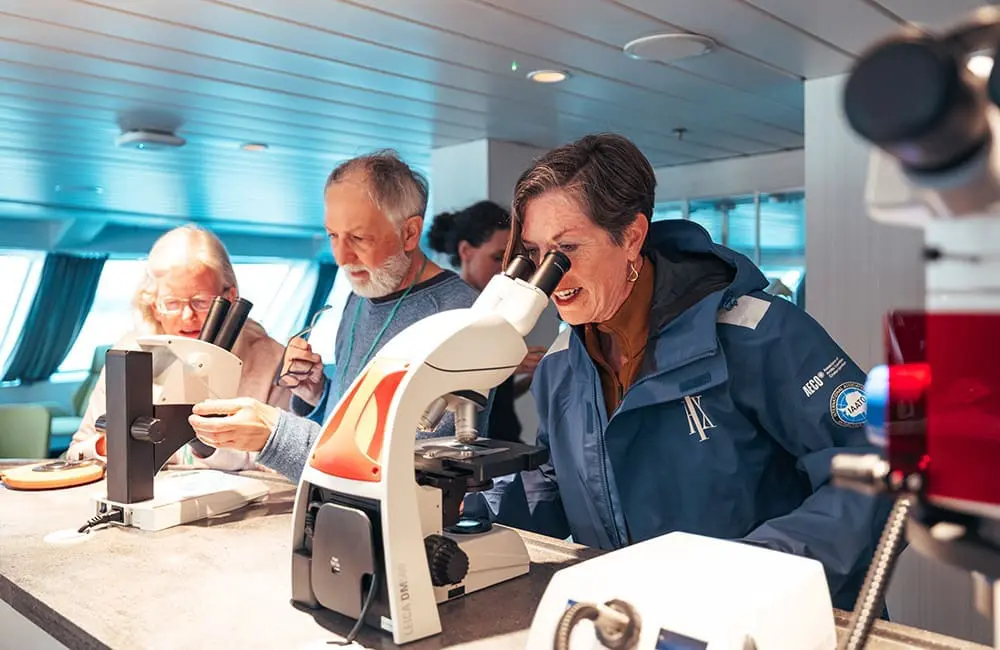
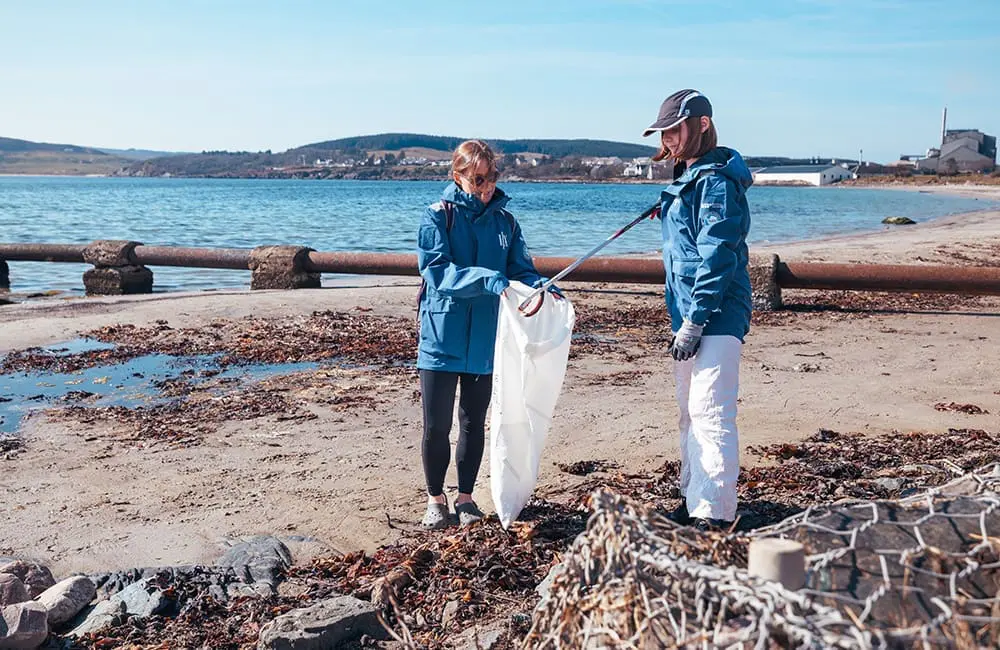
Beyond the headline emissions figure, HX recorded a 52 per cent jump in citizen science contributions with guests submitting a record 46,466 observations to projects including eBird and Happywhale.
The company provided 1,652 free cabin nights to scientists, which it describes as the highest in the industry and worth more than €1.4 million (around AUD$2.3 million), with 97 onboard scientists and expert lecturers delivering programming on each sailing.
Through the HX Foundation, €226,370 (around AUD$370,000) was distributed to 28 projects globally, alongside €215,195 (about AUD$352,000) in guest donations. The line also removed 1,200 tonnes of ocean plastic through its partnership with Ocean Bottle, and recorded zero environmental spills across all operations in 2025.
Education engagement surged even more dramatically. Enrolments in the University of Tasmania’s Antarctic science and governance course — co-developed with HX — jumped 467 per cent, from 680 to 3,181 participants.
What the 2030 roadmap commits to
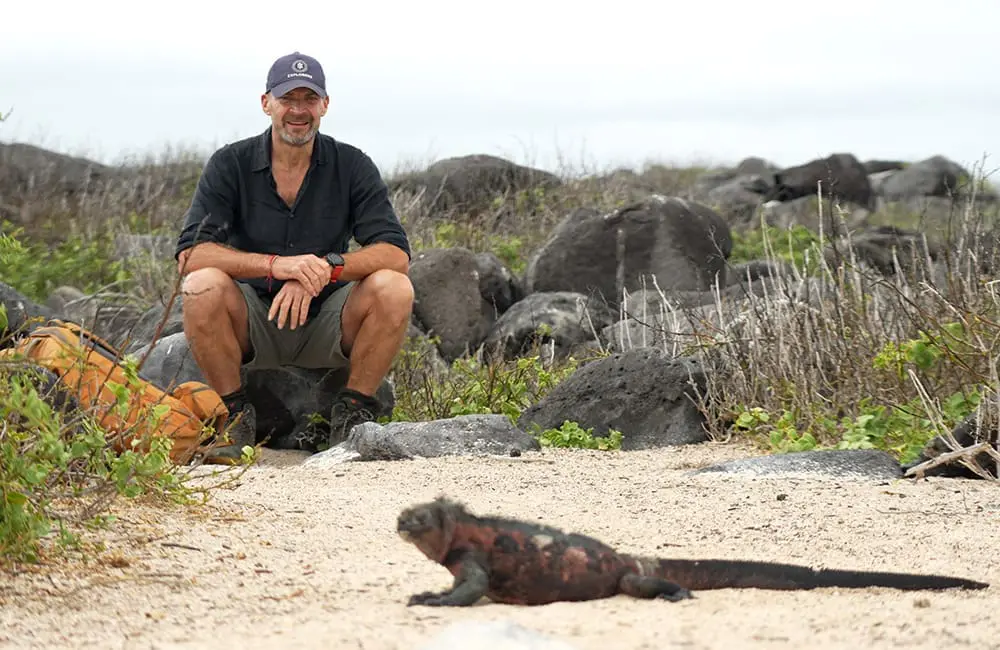
The new strategy sets SMART targets through to 2030. Chief Scientist Dr Verena Meraldi has confirmed HX will increase the free cabin nights provided to guest scientists by 30 per cent for sailings from 2027, reaching 3,900 nights.
“HX is setting the industry standard because we lead with science and our ambition is to keep pushing further, so scientists and researchers can reach the most remote places on Earth and deliver knowledge that really matters,” Dr Meraldi said.
During the 2025/26 Antarctic season, Dr Manuel Novillo recorded a world-first observation of rare Antarctic blackfin icefish spawning behaviour near Danco Island using underwater drones.
Why it resonates with Aussie and Kiwi travellers
HX Director of Sales for Australia & New Zealand Amber Wilson said the citizen science angle in particular lands with travellers from the region.
“We’re incredibly proud of this report, and the results within it, because it shows HX really ‘walks the talk’ in ESG – being transparent, driving meaningful and measurable progress and being candid about where we have room to improve,” she said.
“The reporting around the high level of passenger engagement in citizen science is very encouraging. We find that these programs really resonate with our travellers from Australia and New Zealand.
“The citizen science projects – which cover a wide of range subject matter, from tracking whale migration patterns via the HappyWhale platform through to recording birdlife for eBird and studying the skies for Global Cloud Observer – complement HX’s scientist-led research on board and allow passengers to collect and contribute valuable data to important conservation projects.
“Our research and passenger feedback also shows that HX travellers often experience a positive change in their attitudes towards their environment and are motivated to take further action after they’ve returned home, with many continuing to contribute to the citizen science projects that they interacted with during their expedition as well as other community-based conservation efforts.
“It’s something we hear time-and-time again – that travelling with HX has had a profound impact on our guests’ lives – and it’s what makes our offering so special and our team feel proud to be part of a meaningful vocation.”
Mapping impact by destination
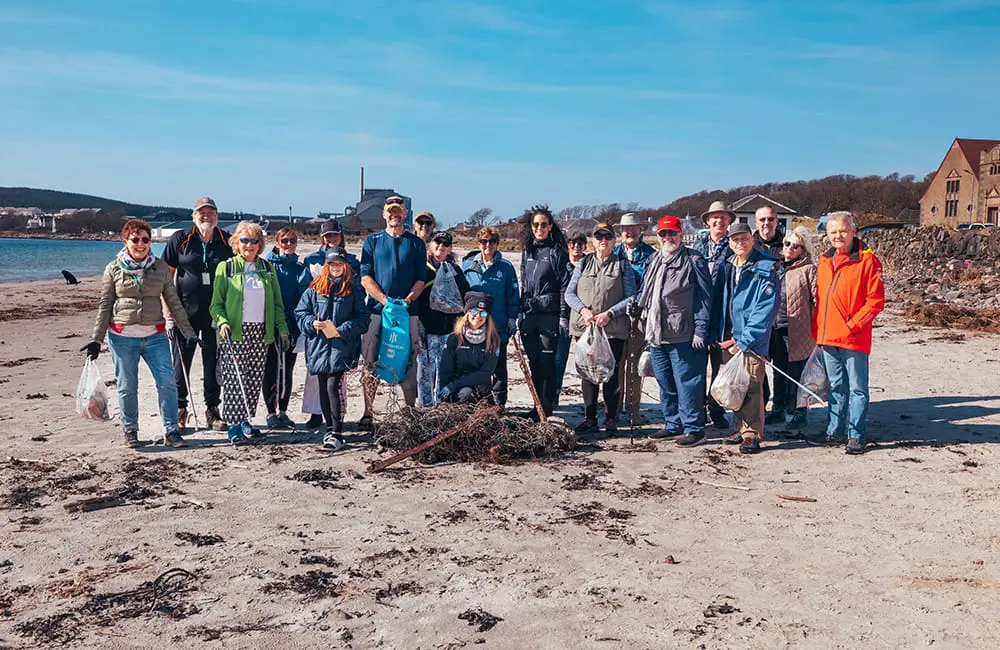
For the first time, HX has mapped its sustainability work by destination. In Antarctica, dedicated science cabins run on every voyage with University of Tasmania guest education programs reaching more than 2,100 travellers.
In the Northwest Passage, HX said it generated more than €337,000 (around AUD$551,000) in direct economic impact for local communities, while Greenland, Svalbard and Alaska itineraries fold in local partnerships, research support and community-led tourism.
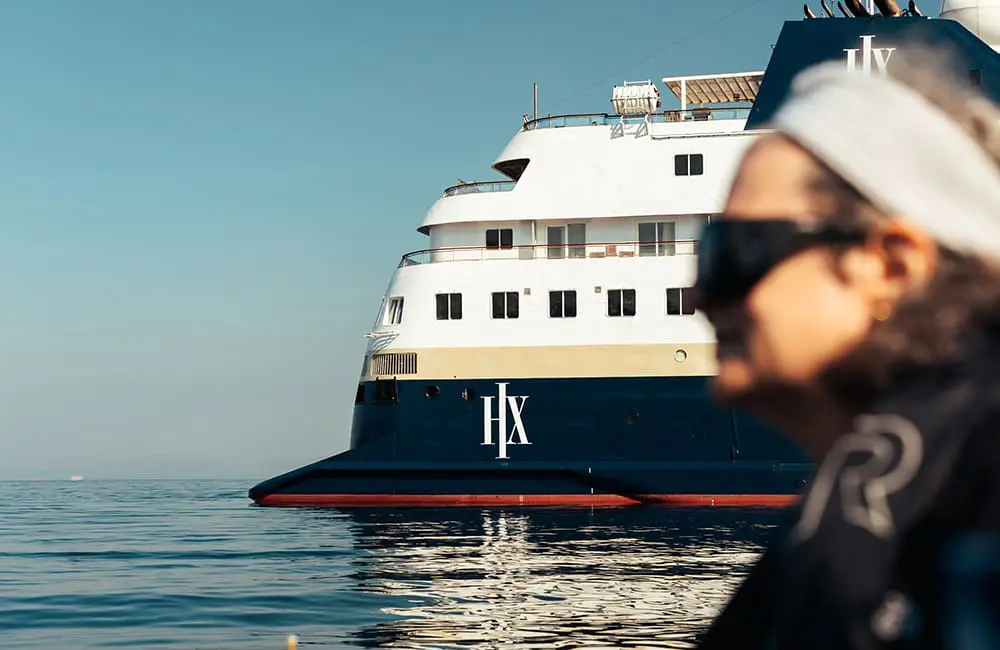
HX currently operates five ships sailing to more than 250 destinations across over 30 countries, and is the largest provider of expedition cruises to Antarctica.
HX Expeditions CEO Gebhard Rainer said the HX 2025 ESG Report marks a significant step forward in how the line defines and delivers on it sustainability ambitions.
“As we celebrate 130 years of exploration, our 2030 strategy sets a clear path for the future, strengthening accountability, sharpening our focus and ensuring we continue to lead in responsible expedition travel while contributing meaningfully to the wider industry,” he said.
KARRYON UNPACKS: For advisors placing clients on expedition cruises, a transparent ESG report and hard 2030 targets provide a credible story for values-driven travellers, and the citizen science hook is a proven drawcard for Aussie and Kiwi guests to keep engaging long after they disembark.

This article is brought to you by HX Expeditions.