




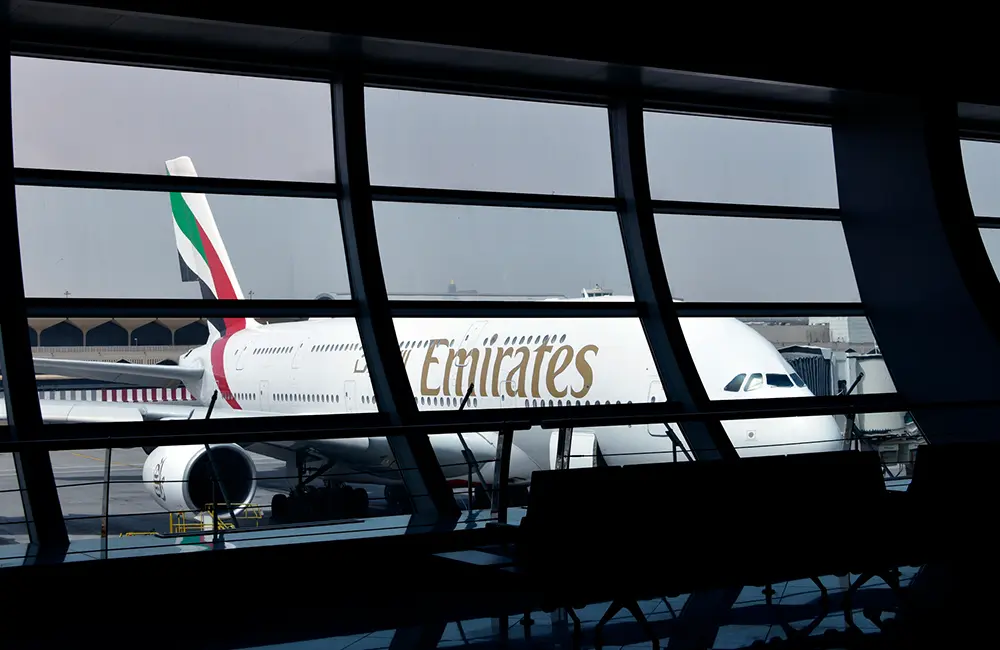
After almost four months of conflict, human and economic loss and uncertainty, the deal to extend the US/Iran ceasefire lands on Australian travel as a question of confidence: in the fares clients pay, the carriers they fly, and the advice covering the airports in between.
For the Australian travel trade, the most telling detail in the Iran ceasefire isn’t necessarily about oil tankers. It’s the transit time a client spends airside in one of the Middle Eastern airport hubs on the way to Europe this summer, and whether their insurance covers a minute of it.
The United States and Iran have reached an initial agreement to extend their ceasefire and reopen the Strait of Hormuz, with talks toward a permanent settlement still to come. US President Donald Trump has authorised toll-free shipping through the Strait and the removal of the US naval blockade, with Iran confirming the deal, due to be signed on Friday. Will it last? Here’s hoping.
Of course, carriers flying out of Australia continued to fly to Europe for most of the war; they just took the long way, adding extra hours and cost to skirt Gulf airspace, while much of the traffic that once moved through the Gulf hubs was rerouted (expensively) via Asia and even North America.
What the ceasefire changes is the detour. Airlines can now resume direct tracks with confidence, and suspended services are returning: Virgin Australia’s Qatar-operated Sydney and Melbourne flights to Doha, for example, restarted yesterday.
That’s the macro story. The Australian one is narrower, and it starts with a single advisory still pegged to its wartime level.
The fight ATIA already picked
For weeks before the ceasefire, the Australian Travel Industry Association (ATIA) had been running its Campaign for Commonsense, pressing the Federal Government to stop treating a quick airport connection the same as a holiday spent inside an affected country in its Smartraveller advice.
The problem is that Australian bookings reach Europe directly: a blanket Level 4 “Do Not Travel” advisory that catches airside transit through Dubai, Abu Dhabi and Doha.
This isn’t theoretical. Department of Foreign Affairs and Trade (DFAT) official status and advice applies to transit and layovers, meaning a passenger connecting through any of the 11 Level 4 airports is uninsured for that leg.
ATIA CEO Dean Long called Australia a “total outlier”, noting the UK, Germany, France and Ireland had already updated their settings to allow transit through these hubs.

“The official advice needs to catch up with the reality on the ground, because right now it refuses to decouple a brief airport transit from an in-country holiday,” Long said.
“Those are fundamentally different situations and the advisory needs to reflect that.”
His ask is specific: move airport transit to Level 3, “Reconsider your need to travel”, while keeping stronger warnings for travel within affected countries.
Operators with staff in the region are echoing the call. Intrepid Travel managing director for Australia and New Zealand, Brett Mitchell, said the ceasefire mattered well beyond logistics.
“Any move towards peace is good news for the world. While we continue to closely follow official travel advice, we hope a sustained peace agreement will support the thousands of communities and livelihoods across the region that rely on tourism, including many of our local teams and partners.
“We also hope that, as conditions evolve, official travel advice will continue to reflect the situation on the ground, including for major transit hubs that play a critical role in connecting travellers with destinations around the world.

“Beyond its economic impact, travel brings people together, fosters connection, empathy and understanding, especially at a time when the world needs it most.”
The ceasefire removes the Government’s cleanest reason to hold the line. Keeping a short airside connection level-pegged with a war zone gets harder to defend by the week. Any downgrade still runs on the usual clock, one to three months of incident-free ceasefire, but the political pressure is new.
The trap underneath it all is insurance, which lags the advisory rather than the headline. Most travel and war-risk policies are pegged to the DFAT level, so a client can choose to fly the route at thier own risk months before they can insure the trip on reasonable terms.
The carriers aren’t waiting for Canberra
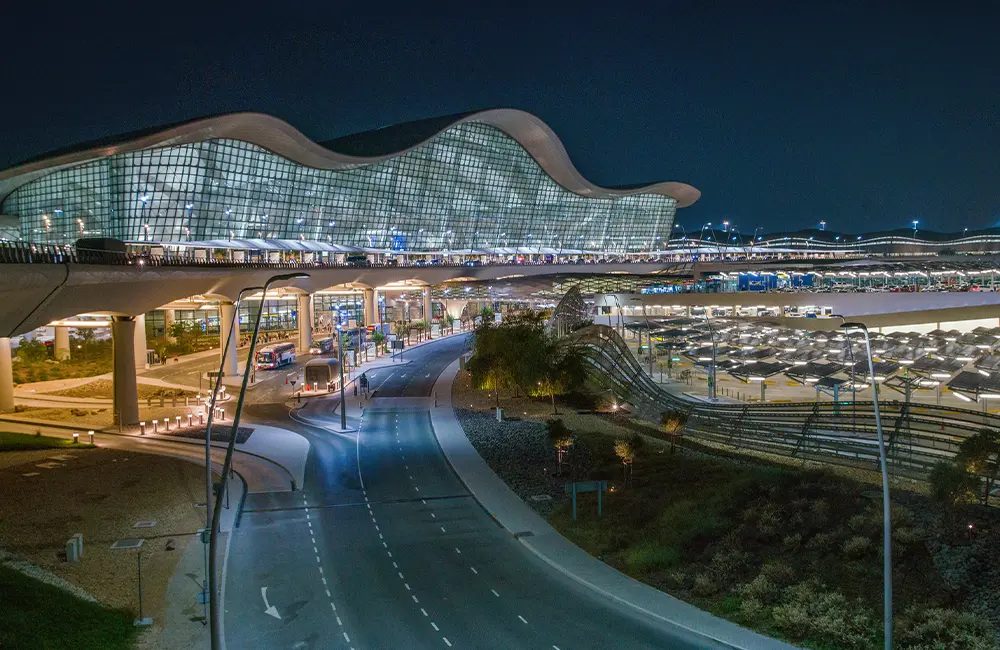
While the advice lags, the Gulf carriers have moved to plug the confidence gap themselves. Etihad Airways said late last week that they will offer free medical travel insurance to every international visitor flying into Abu Dhabi from July to December, applied automatically through UAE insurer Daman, while Emirates is readying its own incentives, including a guarantee to repatriate stranded passengers on other carriers if needed.
Read the Etihad offer carefully though. The cover is medical only, runs for up to 15 days in the UAE, and stops the moment a traveller leaves Abu Dhabi.
For a client flying from Melbourne to London via Abu Dhabi, that protects the Gulf leg and the stopover, not the London holiday. It’s a confidence gesture aimed at the transit anxiety ATIA has named, not a replacement for trip cover.
Whether the fares themselves come back down, and when, is a separate question.
In the meantime, a message to DFAT. It’s time to lower travel advice to Level 3.
KARRYON UNPACKS: The wires are reading this deal through oil and shipping lanes. The Australian trade reads it through a single line of advisory text. What’s worth watching is whether the ceasefire finally forces Smartraveller to separate transit from destination, because the moment it does, the insurance void closes on its own.