




Nobody starts a European holiday expecting to spend half a day in an immigration queue. Yet the Department of Foreign Affairs and Trade (DFAT) says many travellers are experiencing waits of up to six hours at some airports following the launch of the European Union’s Entry/Exit System (EES).
In a recent update on its Smartraveller website, DFAT states that the “EES is currently causing delays of up to 4-6 hours in some European airports”, so travellers should “expect delays”.
“Travellers have missed flights as a result. Take delays into account when booking your travel,” it adds.
DFAT also advises travellers to allow extra time between connecting flights, choose flexible flights and arrive early at the airport.
“Queues to access EES self-service kiosks are long. Be prepared to stand for an extended time,” it notes.
Agent insights
But two months after the EES became fully operational across all 29 Schengen member states, what have travel advisors experienced themselves and seen among their clients? Predictably, it’s all rather unpredictable.
Personal Travel Manager Tanya Patterson says that none of her clients to date have missed connections, “as sufficient time has been allowed between flights and transits”
However, on her travels, she experienced “longer-than-usual queues, particularly with border formalities” on recent trips to Portugal, Greece, and Helsinki (Finland).
“My best advice is to ‘pack your patience’ – once travellers have used the system for the first time, the process should become more familiar and efficient,” she tells Karryon.
The Runway Traveller’s Vanessa Tokatly says she had two “very different experiences” in Spain and Italy, suggesting that experiences may vary depending on the destination and on outbound versus inbound travel.
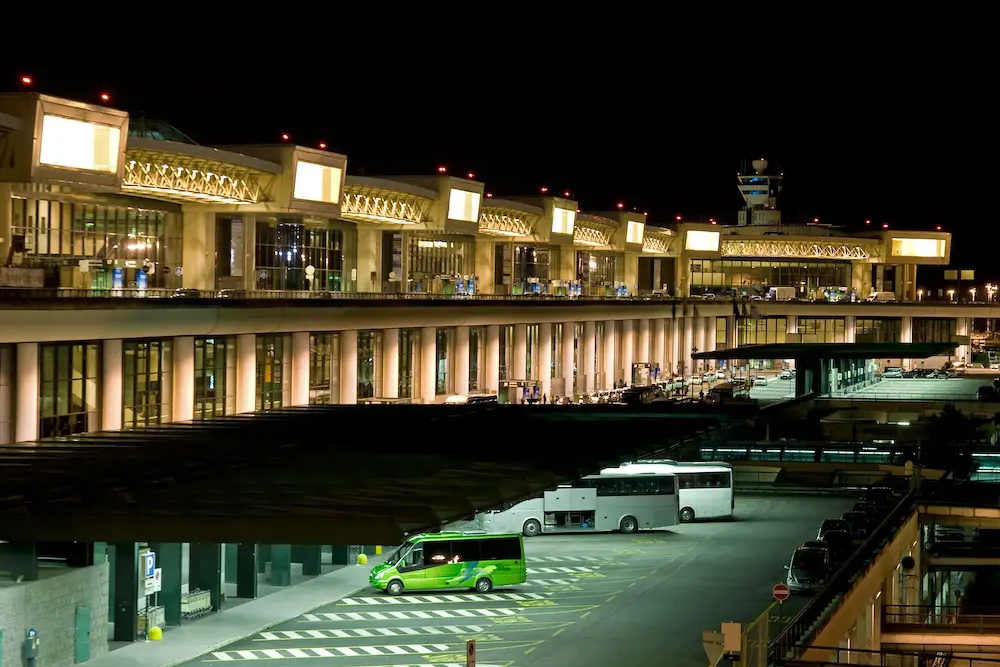
“Arriving in Madrid was a breeze – I was through in probably 10 minutes. Departing Milan was another story entirely,” she tells Karryon.
“I think a lot of the focus has been on arrivals, but people don’t seem to realise these systems need to capture exit movements, so there are additional checks on departure as well.”
Describing the queues as “enormous”, Tokatly estimates she spent “close to two hours dealing with it all” in Milan.
“To make matters worse, the system couldn’t read my passport, so after waiting once, I was then directed to manual processing and had to join another queue,” she says.
“I’m normally a very relaxed traveller and tend to arrive at the airport with just enough time for a quick lounge champagne before heading to the gate. Thankfully, for whatever reason, I decided to get there early… and just made my flight.
“I’d certainly be advising clients not to cut things fine at the moment, particularly departing larger European hubs during busy periods.”
Andrew Sullivan, director of The Don’t Forget Travel Group, also says his departure experience was far worse than his touchdown.
While he didn’t have any delays on his recent arrival in Portugal, “the immigration lines departing Athens were huge”.
However, he doesn’t necessarily attribute that to the new system.
“I don’t know if the lines were long due to the EES, or it was just a busy time at Athens airport – I remember there were long lines departing last year as well, so it could just be the airport having reached capacity with so many tourists in Greece already,” he tells Karryon.
While Sullivan says he hasn’t had any clients “missing connections or complaining about the lines”, he suggests that the European summer period will “really test the new system” as millions of travellers pass through Europe’s busiest hubs.
Luxury lens
Hopefully, many will have the same experience as Sydney-based LUXE by itravel luxury travel advisor Geoff Currie, who says he had the “easiest arrival process I’ve had at an airport” on a late May trip to Malta that included a stop in Paris.
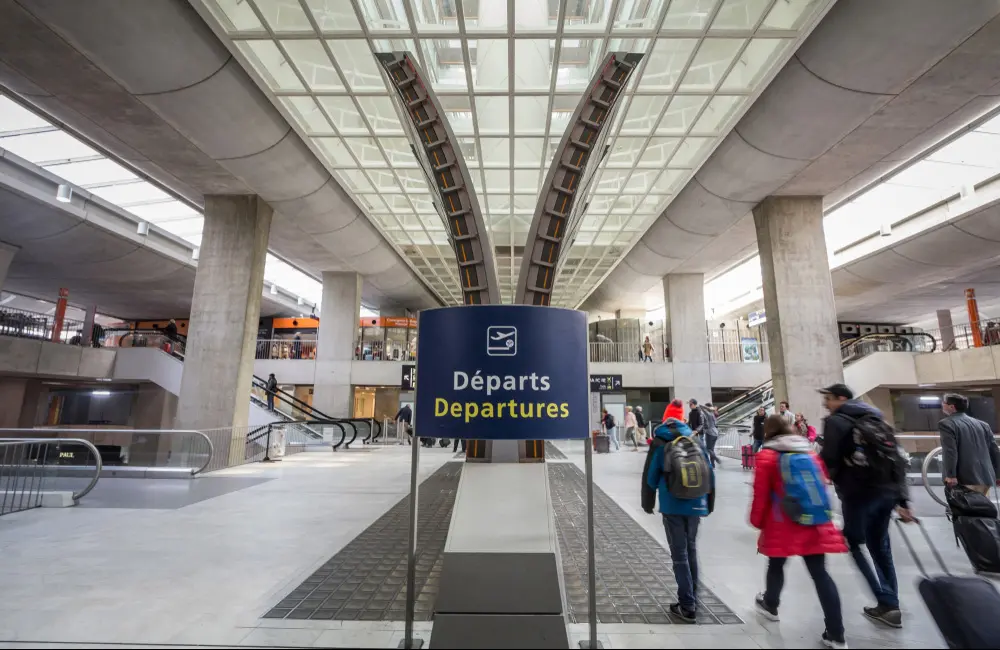
“We landed at CDG at 6.05am and by 6.45am we were walking through Terminal 2A on our way to Terminal 2B,” he tells Karryon.
Similarly, he’s had no negative feedback from his customers yet.
“One of my clients arriving from Istanbul… was meeting her driver 22 minutes from landing, so I’ve not seen or had any clients experiencing any major delays,” he says.
However, this mightn’t be a typical experience.
“I do think it might be at certain times, especially when US arriving flights are [involved],” he explains.
“There seem to be so many clickbait posts on social media about this.”
Many premium flyers may also be travelling in shorter business class lines.
Travel Associates’ Jo Kennedy is another luxury travel advisor who was recently in Europe and “did not notice a major problem”.
“These [DFAT] times are an over exaggeration, certainly for Italy,” she tells Karryon.
“It was busy, yet the lines moved quickly.”
KARRYON UNPACKS: DFAT’s six-hour warning is a reminder to plan ahead, but advisor experiences suggest the reality is far less clear-cut. For travellers and agents, Europe’s new border era may depend as much on timing and airport choice as the technology itself – at least for now.