


The current geopolitical conflict in the Middle East may not (and hopefully won’t) match the prolonged disruption of COVID-19, but Gulf aviation and tourism leaders have reached for a familiar descriptor adopted during the pandemic: “unprecedented”.
In the past few days, airlines and airports in the region have ramped up operations, readying for a return to normality, or thereabouts, as airspace reopens. But it comes after a particularly costly period for the Gulf’s air and tourism sectors – not to mention confidence in travel to and through the region, after the airport itself was attacked.
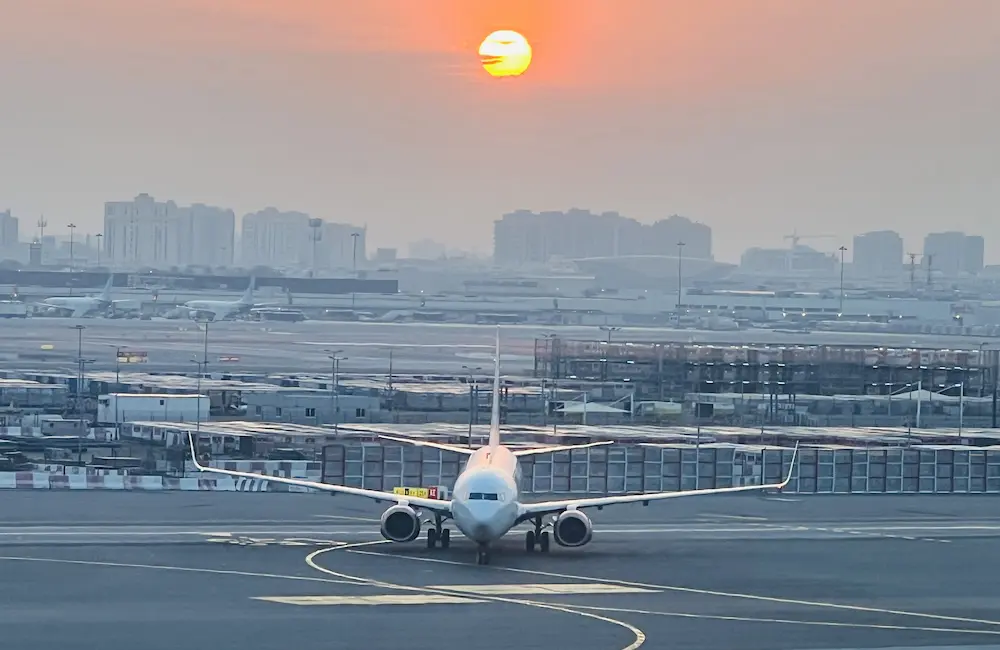
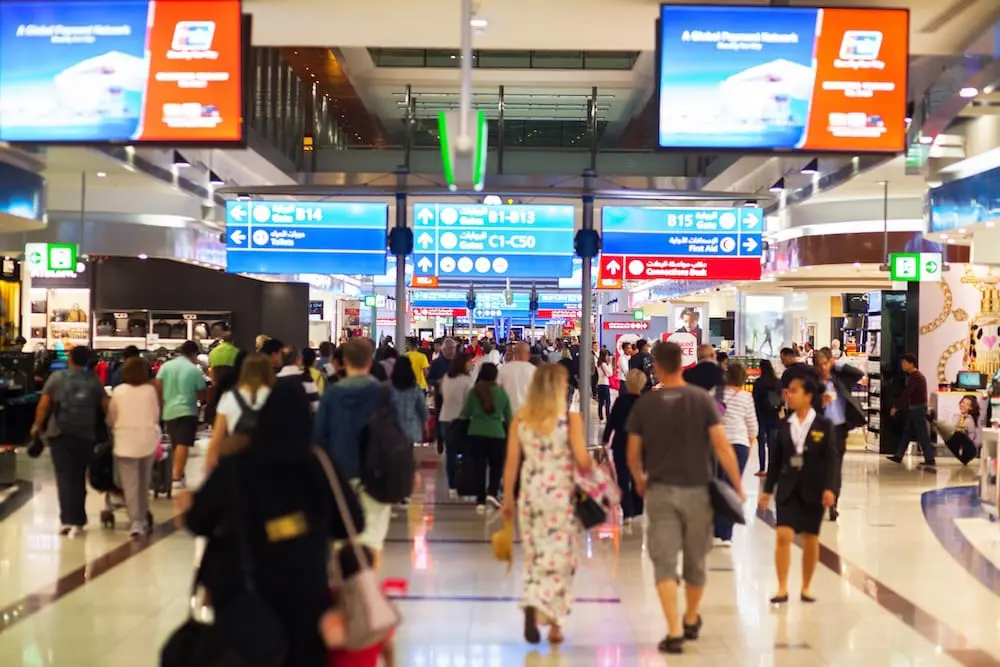
In March, the first month of the conflict, the world’s busiest international airport, Dubai International (DXB), recorded a massive 65.7 per cent year-on-year decline in passenger traffic to just 2.5 million. It was its worst y-o-y monthly drop on record.
With this decrease, the hub saw passenger numbers during the first quarter (January-March 2026) fall by over 20 per cent y-o-y, to 18.6 million travellers. There was also a more than 20 per cent drop in total aircraft movements, to 88,000.
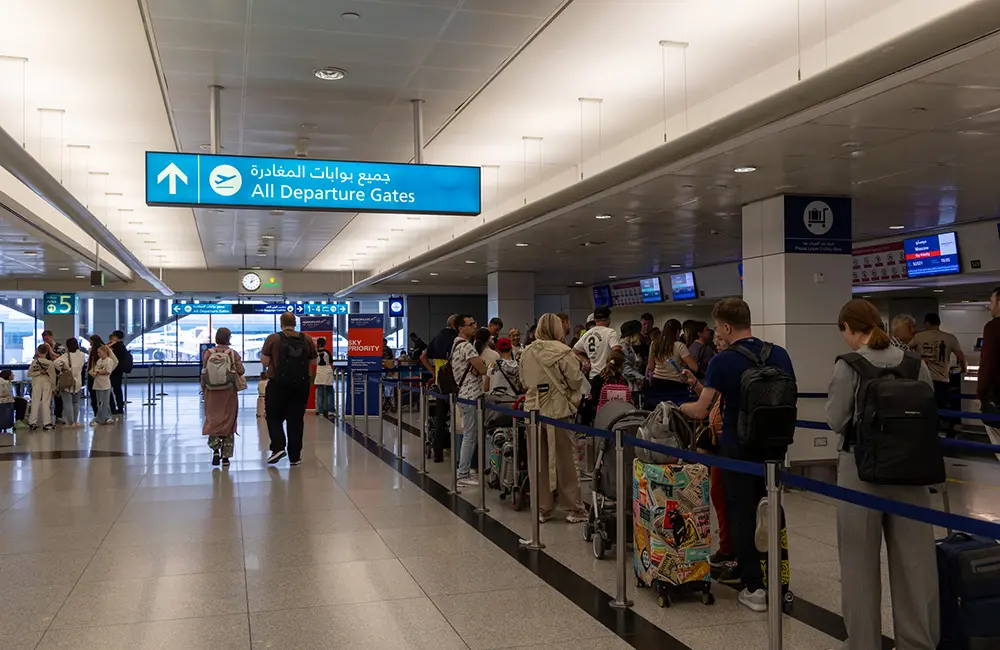
“The extraordinary events of the past few weeks are unprecedented for any major airport hub such as DXB,” Dubai Airports CEO Paul Griffiths said.
The DXB boss highlighted the importance of transit travel to the region in particular.
“International transfer traffic through the Middle East region accounts for a major share of the global air travel market, with 22.4 million annual passenger journeys flowing through DXB, representing one third of the transfer traffic across the region’s hubs,” he remarked.
“Maintaining the smooth operation of DXB is therefore critical to keep global journeys moving.”
Griffiths added that the airport’s response to recent challenges had “sharpened our ability to adapt at pace”.
“That readiness will enable us to accommodate returning demand as capacity is restored, reinforcing DXB’s role as a leading global hub,” he stated.
But Dubai Airport notes that air capacity still depends on flight paths beyond the United Arab Emirates (UAE), requiring ongoing coordination to manage traffic across neighbouring airspace.
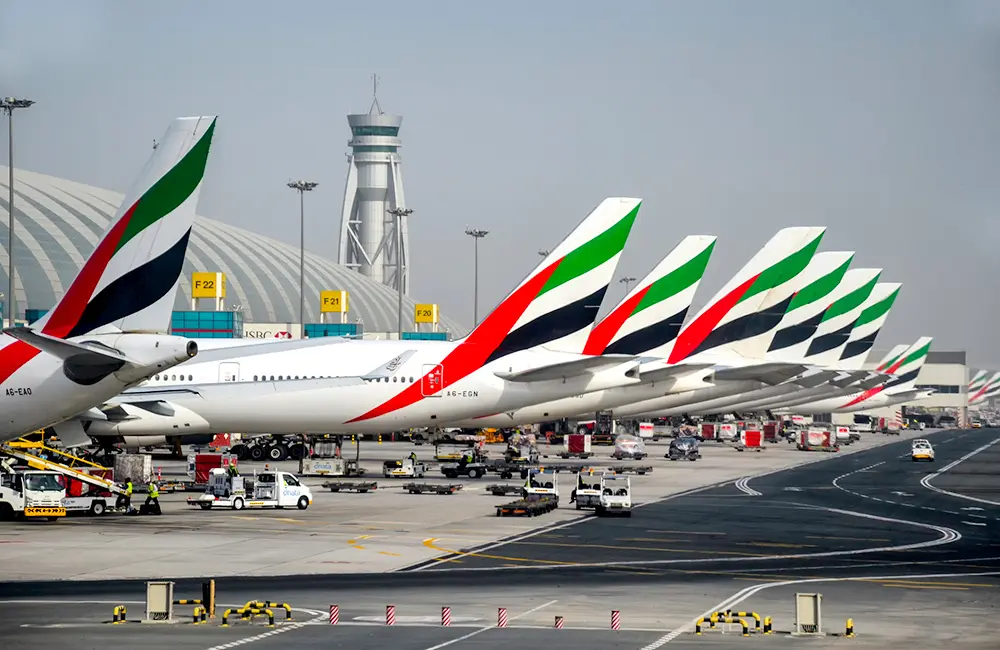
Nearby Qatar was also hit hard, literally too, as the Gulf nation endured its own direct attacks.
Abdulaziz Ali Al-Mawlawi, CEO of Visit Qatar, said that in recent weeks, “our region faced unprecedented challenges”. Another big call given the enormous impact of COVID-19 on travel.
In a message sent to travel industry partners last week, Al-Mawlawi said Qatar’s tourism sector had responded quickly and collectively to the challenges. Read more about that message here.
KARRYON UNPACKS: DXB’s 66% plunge highlights the impact the conflict had on Gulf transit flows, but its return signals recovery ahead – and this should directly shape pricing, capacity and confidence for Aussie travel advisors and Europe-bound travellers.