



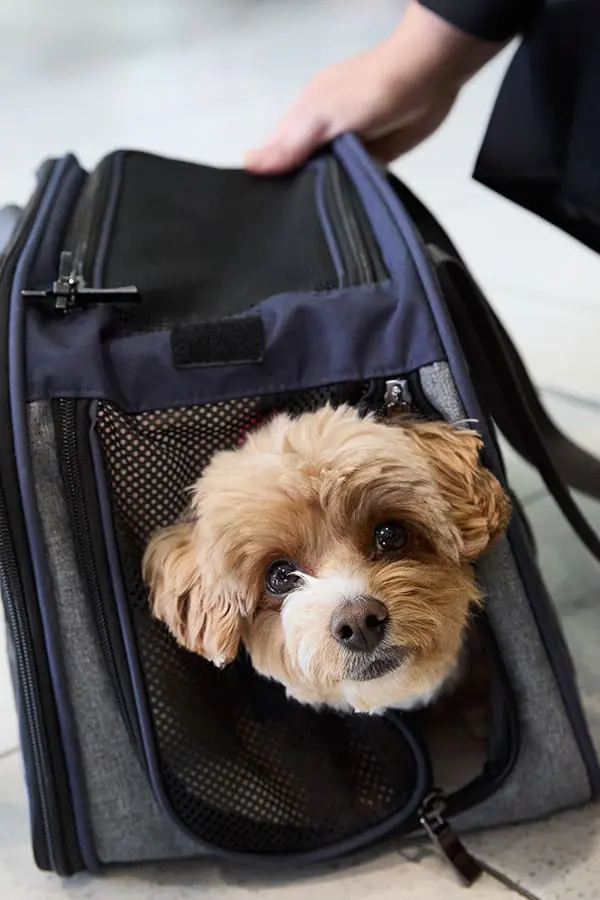
The International Air Transport Association has launched new operational IATA pet travel guidance to help airlines manage in-cabin pet travel from booking through to arrival as one in four flyers have flown or consider flying with pets.
The new Operational Guidelines for In-Cabin Pet Transport set out recommended procedures across every stage of a pet’s journey, covering booking, check-in, boarding, the onboard experience and arrival.
It follows IATA’s recently launched Guidance on Travelling with Service Dogs, part of a wider push to bring consistency to how dogs are transported by air.
IATA’s 2025 Global Passenger Survey found about a quarter of respondents have travelled, or would consider travelling, with a pet.
Among them, 41 per cent cited uncertainty around pet eligibility as a challenge, 36 per cent were unsure about airline policy and 34 per cent were unsure about the overall process of travelling with a pet.
The IATA pet travel guidance aim to address those concerns while maintaining safety, animal welfare and operational efficiency.
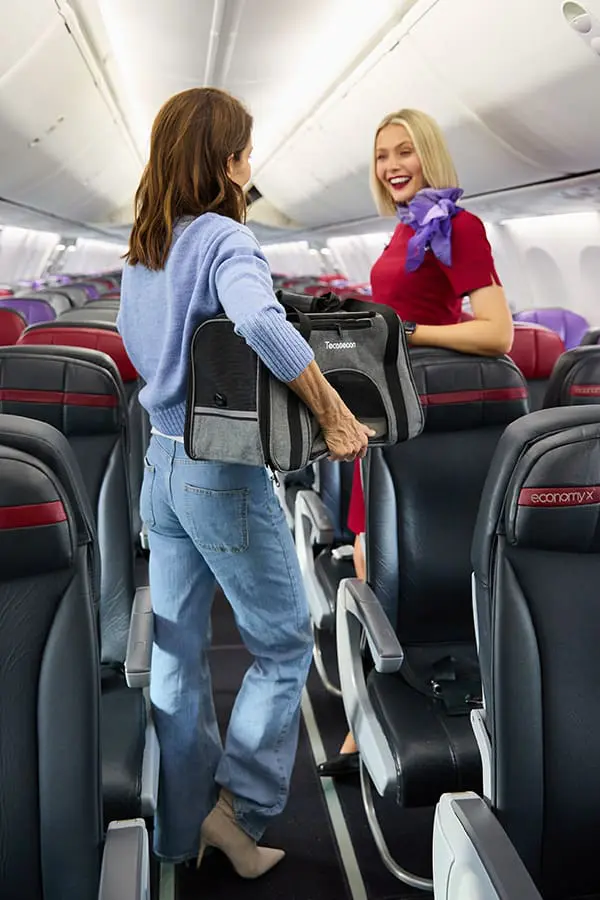
IATA Global Head of Cargo Brendan Sullivan said a pet is a much-loved member of the family and travellers need to know what to expect.
“People travelling with their pets need clear guidance on what to expect at every step of the journey. That’s important because well-prepared travellers and industry-wide best practices enable airlines to deliver a safe, consistent, and efficient experience for those travelling with their pets,” he said.
What it means for advisors

For travel advisors fielding client questions on whether a pet can travel and how, the IATA pet travel guidance points towards more standardised answers as airlines adopt the recommended practices.
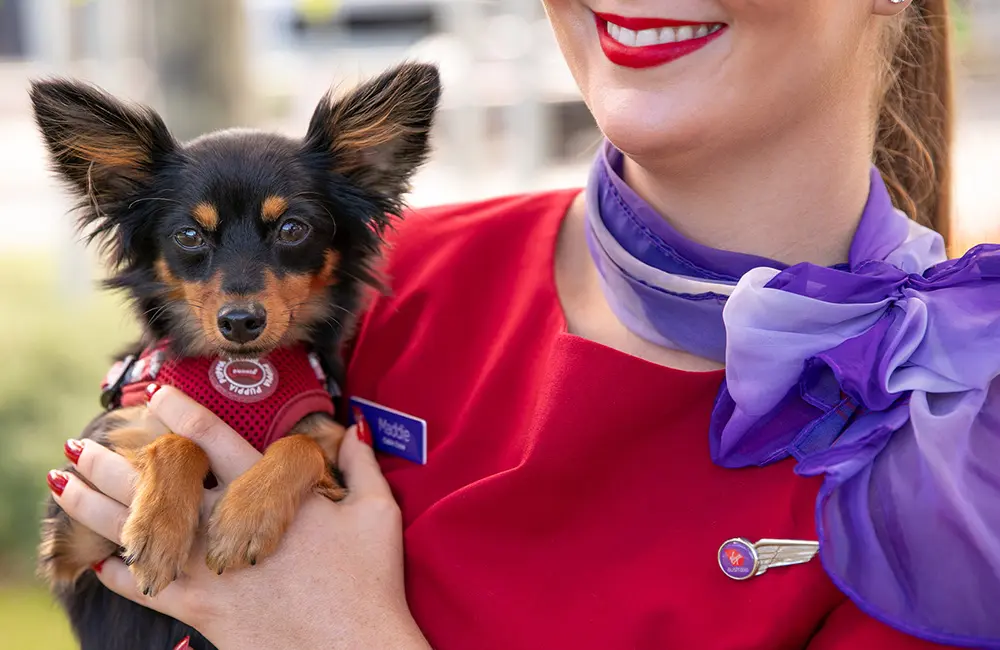
It comes as Virgin Australia extends its Pets in Cabin service beyond the launch network, adding more routes and destinations to the first-in-Australia initiative.
The IATA pet travel guidance is aimed at airlines rather than travellers and individual carrier policies and destination entry requirements still apply.
IATA represents more than 370 airlines accounting for around 85 per cent of global air traffic, so broad adoption of the guidance would gradually smooth one of the more complex requests advisors handle.
KARRYON UNPACKS: With a quarter of passengers open to flying with a pet, in-cabin animal requests are more mainstream. More consistent airline handling from booking to arrival gives advisors firmer ground when setting client expectations, even as carrier policies and entry rules continue to vary.