


Melbourne Airport has welcomed almost 37 million passengers in the 2026 financial year, recording its busiest 12 months for international travel since opening in 1970.
Australia’s largest 24-hour airport handled 36,993,557 passengers, including a record 12,256,328 international travellers, up 2.5 per cent year-on-year. Domestic traffic also increased 2.2 per cent to 24.7 million.
Among the biggest trends was the United Kingdom, which became Melbourne Airport’s fastest-growing major inbound market.
UK arrivals rose 9.4 per cent during the year, ahead of China (up 8 per cent), the United States (up 7.9 per cent) and New Zealand (up 1.3 per cent). India remained a top market despite a 4.9 per cent decline.

The financial year also included the airport’s busiest month on record, with more than 3.42 million passengers travelling through its terminals in December 2025.
At the end of FY26, June passenger numbers dipped slightly as capacity through Middle East hubs continued its recovery.
Melbourne Airport CEO Lorie Argus said the record year underscored the need for ongoing infrastructure and border investment.

“We’ve committed to a $4.5 billion expansion of our international terminal, a new third runway and an enhanced road network to cater for Melbourne’s growth,” Ms Argus said.
“Passengers will start to notice some of these changes in October, when we open our new and much larger, free pick up and drop off zones for Qantas, International and Virgin Australia travellers in the T123 Transport Hub.”
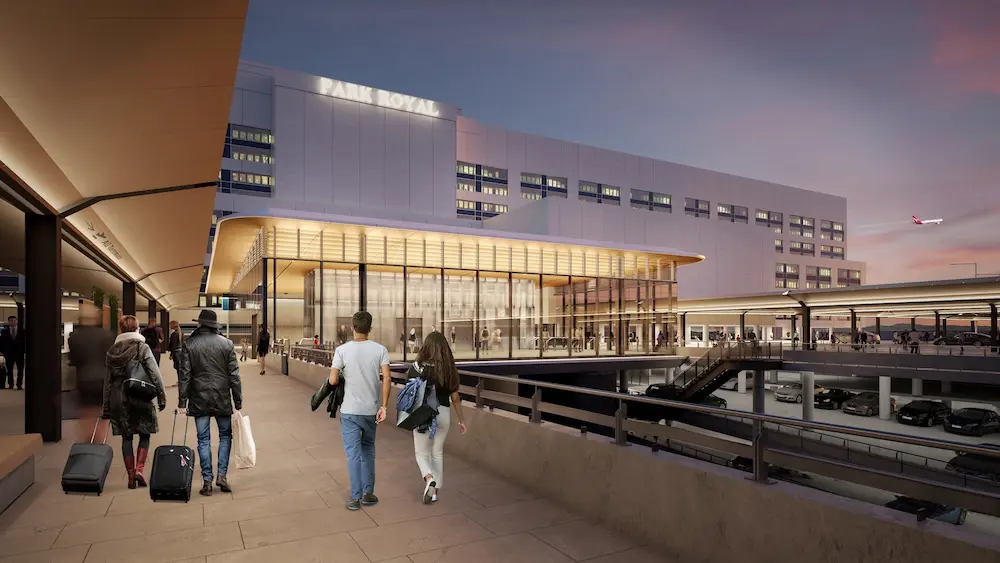
Earlier this year, Melbourne Airport unveiled its plans for a massive $4.5 billion expansion to enhance the overall traveller experience, featuring five new gates, larger check-in halls and an expanded baggage reclaim – and that’s just for starters.
KARRYON UNPACKS: Melbourne’s record year reflects resilient international demand, but the UK’s standout growth is the surprise. It’s another reminder that established markets can still deliver some of the biggest gains.