




Europe’s extreme heatwave is disrupting travel across the UK and continent with record temperatures, power outages, transport cancellations and attraction closures affecting summer itineraries just as the peak season starts.
The UK just had its hottest June day ever and there are significant heat-related issues and power outages in France and beyond as Europe sizzles in another record-breaking heatwave. So, what does it mean for Europe and UK-bound travellers this summer?
Europe has already seen deadly impacts from the extreme heatwave gripping the continent, with at least 48 people drowning and other heat-related deaths reported due to what experts are calling a “Euro heat dome” that is stopping any relief from storms.

The UK, France, Spain, Italy, Switzerland and Luxembourg have all issued red alerts for extreme heat as Europe swelters with temperatures not expected to ease until Sunday, 28 June.
The UK reported its hottest June on record with temperatures soaring to 36 degrees Celsius in southern England on 24 June, while France recorded its second straight hottest day, hitting 40.9 degrees in Paris and 44.3 degrees in the southwest.
Several Italian cities are on the highest heat alert, including popular hotspots such as Rome, Turin, Verona, Florence and Milan, while Spain has also recorded its highest June daily average temperature.
How is Europe’s extreme heatwave affecting travel plans?

With an extreme heat red alert issued through to 25 June, the UK’s Met Office has warned of a high risk of power and service outages, including water, electricity and mobile phone coverage.
Eurostar has cancelled two daily trains between Paris and London this week due to the heatwave, just as the peak summer season starts.
Some popular tourist attractions have also been impacted, including an earlier daily closure of the Eiffel Tower in Paris and the suspension of the Changing of the Guard in London.
For advisors with clients already in Europe or heading there soon, the key message is flexibility. Extreme heat can affect rail services, attraction opening hours, walking tours, hotel comfort levels and the pace of sightseeing, particularly for families, older travellers and those with health considerations.
What should Europe-bound travellers consider now?
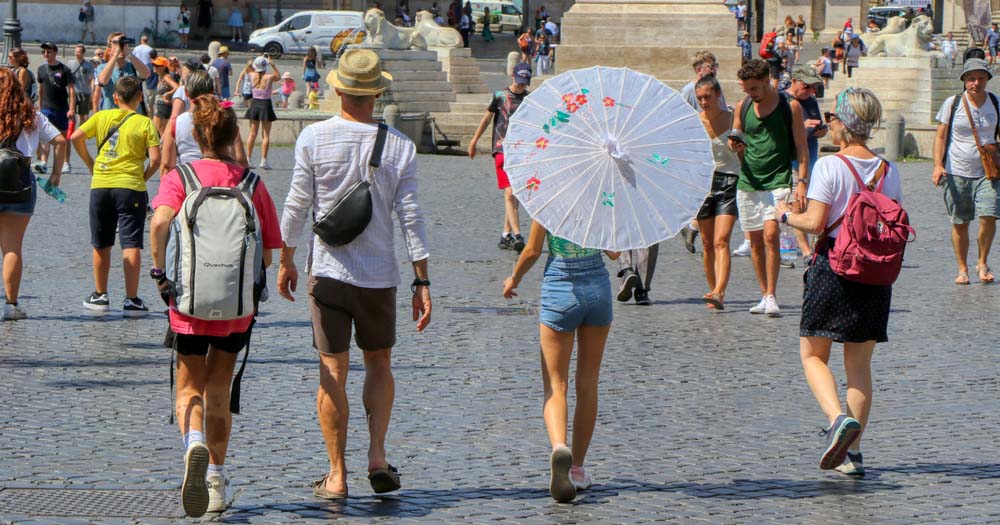
With just 20 per cent of homes in Europe equipped with air-conditioning, Europe-bound travellers will need to adapt their daytime activities to cope with the heat.
Luckily, Aussies are pretty savvy when it comes to dealing with intense temperatures, knowing to stay out of the sun during peak times, cover up, drink lots of water and use sunscreen.
Travellers can also swap outdoor sightseeing to the early morning and visit museums, cathedrals and other air-conditioned attractions later in the day.
Advisors may also wish to encourage clients to check transport apps, attraction websites and local alerts before setting out, allow extra time for transfers and build in more rest breaks than they might usually plan for a European summer itinerary.
Why does Europe’s extreme heatwave matter for advisors?
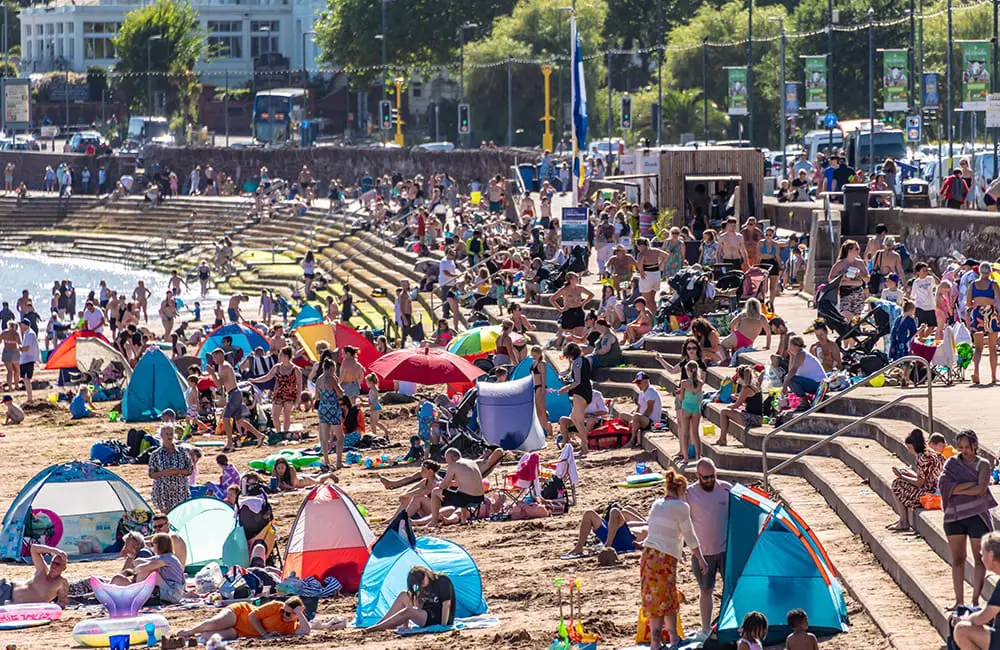
Europe’s extreme heatwave is a timely reminder that summer travel planning now needs to factor in climate disruption as much as classic seasonal demand.
For advisors, that means helping clients understand the practical realities of peak-season Europe: booking hotels with air-conditioning where possible, considering travel insurance inclusions, allowing room for itinerary changes and setting realistic expectations around outdoor touring.
It also allows advisors to show extra value before and during the trip, particularly for clients navigating fast-changing local conditions abroad.
KARRYON UNPACKS: The UK and Europe’s extreme heatwave shows why advisor guidance matters more than ever, helping travellers balance bucket-list summer holidays with safety, flexibility and smarter on-the-ground decisions.