



Fans of anime titles like Studio Ghibli’s Spirited Away, Demon Slayer and Pokemon are travelling to the real-life Japanese locations that inspired them, increasingly in smaller towns and lesser-known prefectures, according to the Japan National Tourism Organization (JNTO).
Japan, the third most popular outbound destination for Australians, has a fresh hook for selling clients beyond Tokyo, Kyoto and Osaka: the so-called “anime pilgrimage”.
The term describes fans visiting the real-world places featured in their favourite animated series, from city streets to onsen towns and ancient forests, and it is steering visitors well off the established Golden Route.
The global anime market is forecast to be worth around $72.5 billion by 2030, according to Precedence Research, with Gen Z travellers increasingly building trips around filming locations and themed events.
Why anime travel matters
The key selling point for travel advisors is regional dispersal: anime locations push exploration into towns and prefectures that rarely feature on a first-time Japan itinerary.
Much of that is driven by the Anime Tourism Association, a Japanese body established in 2016 to promote travel and cultural exchange through anime-linked destinations.
Each year the association curates its “88 Anime Pilgrimage” list of real locations tied to notable series. The number 88 references Japan’s traditional Shikoku pilgrimage, symbolising a complete spiritual and cultural journey.
“Anime locations are now a measurable driver of inbound tourism, not just a subculture,” said Japan National Tourism Organization (JNTO) Sydney office executive director Naoki Kitazawa.
“We couldn’t be more pleased, especially as stats show that many destinations on anime pilgrimages are to some of Japan’s smaller towns and lesser-known prefectures.”
10 locations to put on an itinerary
JNTO has flagged 10 standout sites travellers can weave into a trip:
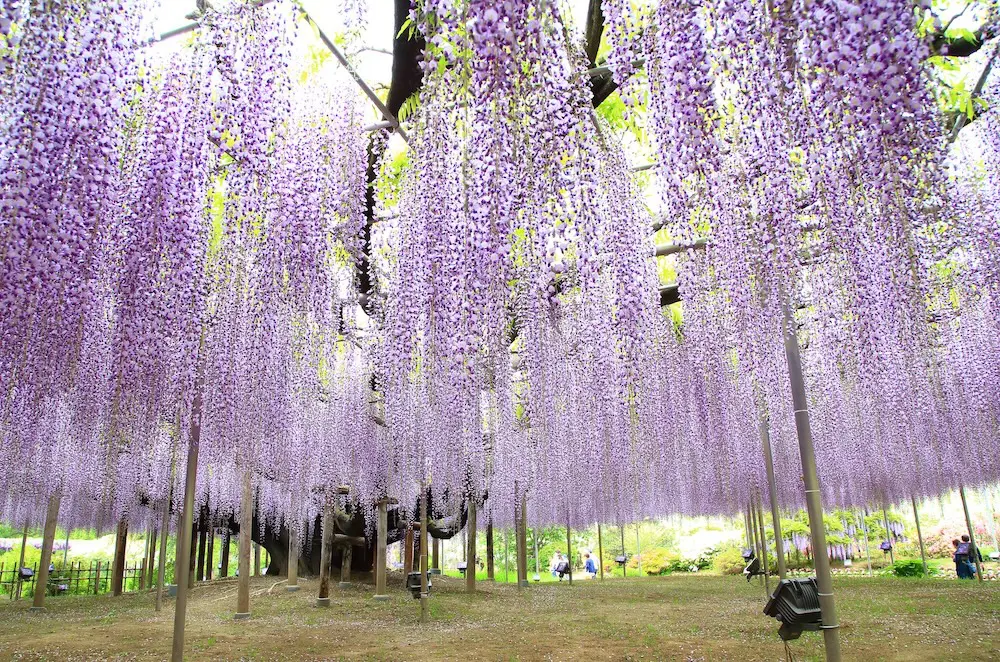
- Ashikaga Flower Park, Tochigi Prefecture, where cascading wisteria inspired flower scenes in Demon Slayer
- Suga Shrine Steps, Shinjuku, Tokyo, the setting of the meeting scene in Your Name
- One Piece Statue Tour, Kumamoto Prefecture, with life-sized bronze statues honouring creator Eiichiro Oda
- Ghibli Park, Aichi Prefecture, bringing Studio Ghibli worlds to life
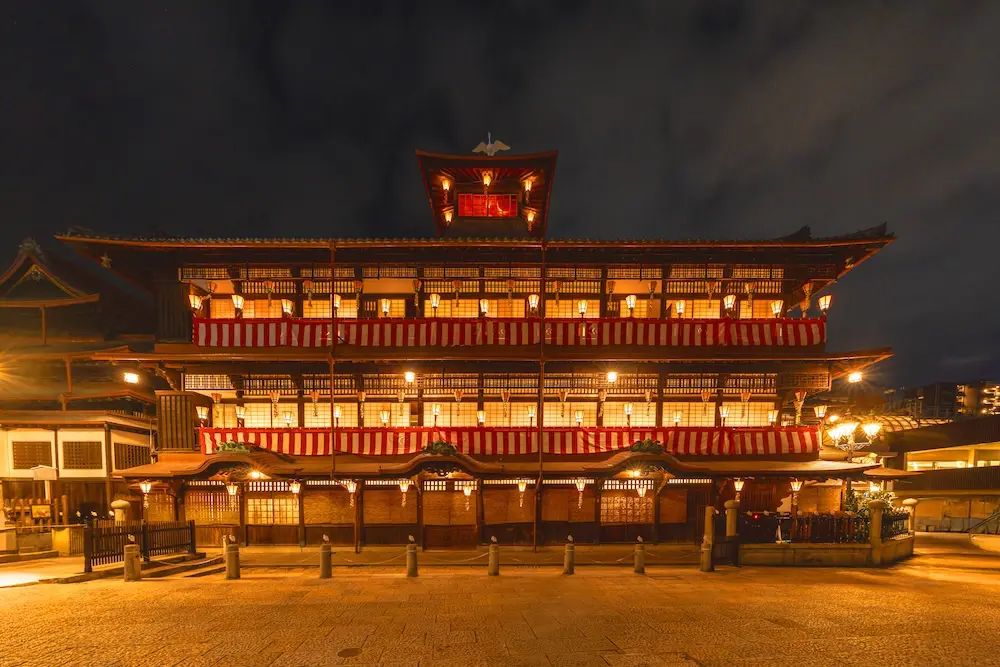
- Dogo Onsen, Ehime Prefecture, said to have inspired the bathhouse in Spirited Away
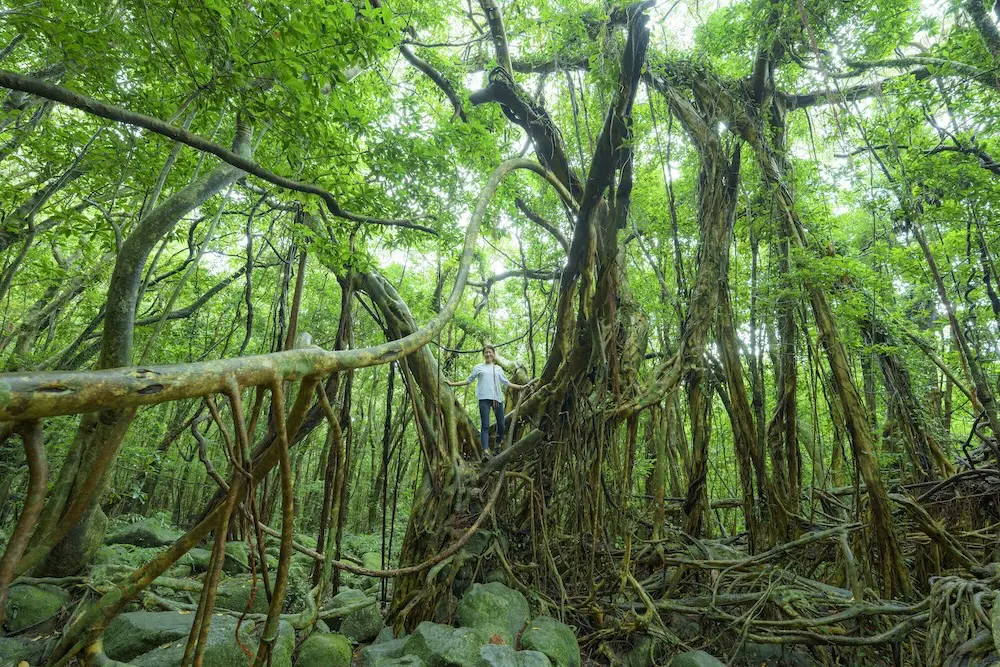
- Yakushima, Kagoshima Prefecture, whose ancient forests echo Princess Mononoke
- Hita City, Oita Prefecture, home to Attack on Titan-inspired sites and statues
- Poke Lids nationwide, Pokemon-themed manhole covers scattered across Japan
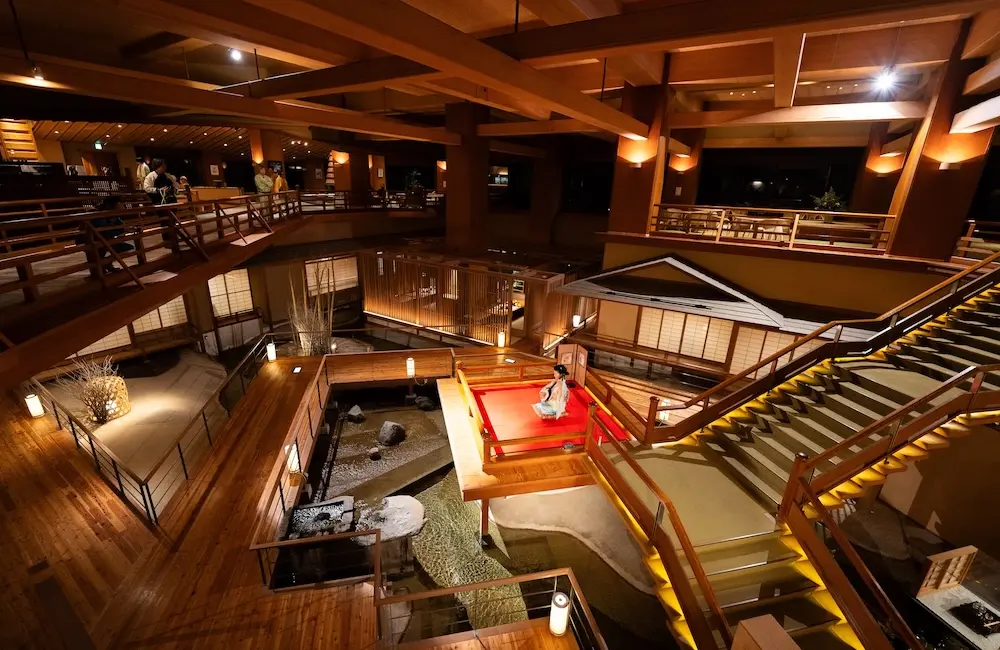
- Ashinomaki Onsen, Fukushima Prefecture, a ryokan whose multi-layered lobby inspired the Infinity Castle in Demon Slayer
- The World Cosplay Summit 2026, Aichi Prefecture, the world’s largest annual cosplay festival
Who it suits
The angle plays to younger, repeat and special-interest travellers, particularly Gen Z fans who want experiences tied to specific titles rather than a standard sightseeing loop.
Pokemon marked its 30th anniversary this year, adding another hook for multi-generational family travel and nostalgia-driven trips, at a time when travel to our top Asian destinations is surging.
KARRYON UNPACKS: With Japan firmly among the top destinations for Australians, anime is a ready-made reason to send fans past the well-trodden Golden Route and into onsen towns, regional cities and remote forests. It is also a way to spread visitation, lengthen stays and give younger travellers a trip built entirely around something they already love.