




Melbourne Airport has posted its strongest-ever March for international travel, despite ongoing disruption linked to conflict in the Middle East.
More than 1,002,589 international passengers moved through the airport last month, exceeding the previous March record of 937,696 set in 2025. That equates to a nearly 7% rise in outbound traffic.
The result comes even as airspace closures forced cancellations across key Middle Eastern carriers, including Emirates, Qatar Airways and Etihad Airways.
Domestically, Melbourne Airport saw 2,127,222 passengers for the month, a nearly 6% increase on March 2025 numbers. Although the hub said this was partly due to weather-related disruptions in Queensland during the prior period.
Overall traffic rose by 6.3% year-on-year, reaching 3,129,811 passengers.
According to the Victorian gateway, demand was boosted by the Formula 1 Australian Grand Prix and the Labour Day long weekend.
On top of this, new capacity helped support growth, including AirAsia’s daily Melbourne–Bali services and Singapore Airlines upgrading one daily service to an Airbus A380.
For the financial year-to-date, international traffic is tracking nearly 5 per cent higher than FY24/25, with total traffic up almost 4 per cent.
The positive March result follows a record month for international travel in February.
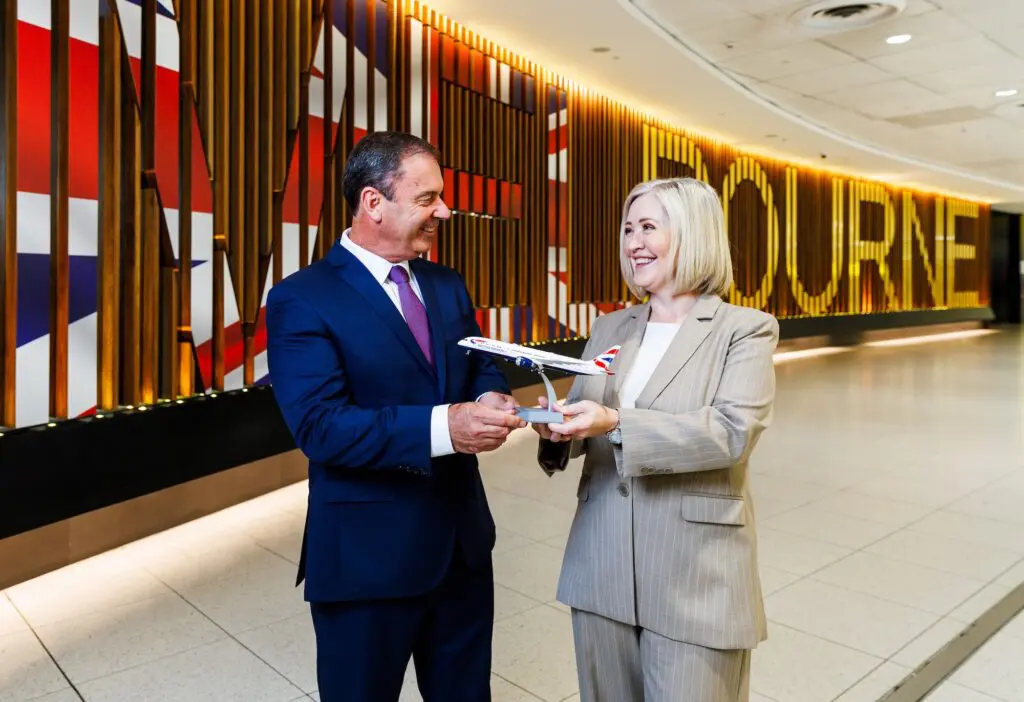
“March was a difficult month for many travellers, with conflict in the Middle East causing significant disruption for some of our major hubs and key routes to Europe,” Melbourne Airport CEO Lorie Argus said.
“While Middle East services are progressively resuming and stabilising, it has been pleasing to see other airlines add capacity to Melbourne, with demand for connections through Southeast Asia, China and North American hubs particularly strong and load factors correspondingly high.”
And Argus expects Aussies will continue to prioritise travel “to connect with friends, family or experiences”, locally and abroad.
With this in mind, Australia’s busiest 24/7 hub continues to build for the future, including terminal expansions and the delivery of a third runway.
“Our investments highlight our commitment to look beyond the current challenges and deliver much-needed capacity for airlines and travellers,” Argus remarked.
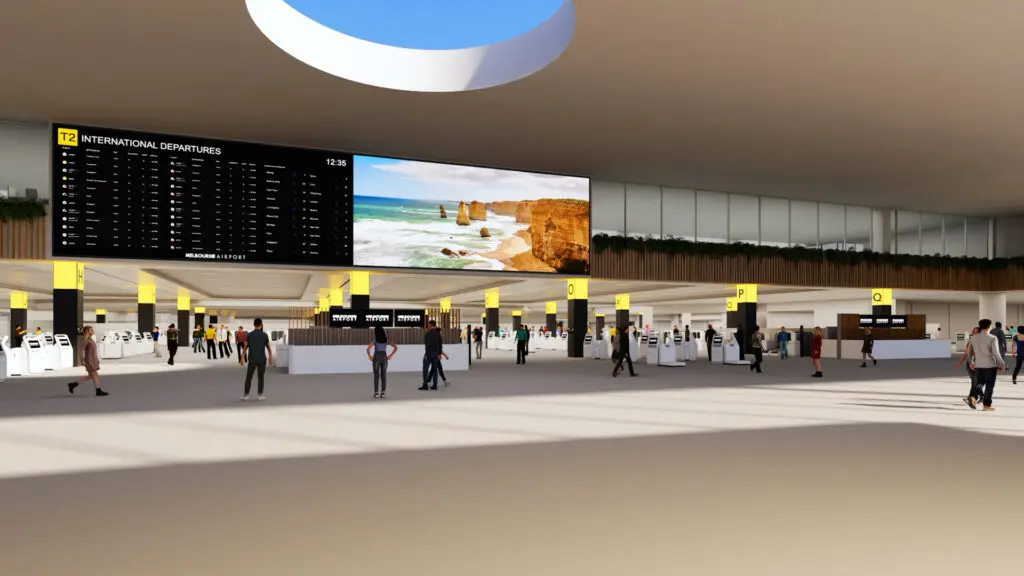
“The first phase of our international terminal expansion project will open later this year with a state-of-the art new baggage system and new pick up and drop off locations for terminals 1, 2 and 3, which will allow us to start expanding the terminal footprint into the current forecourt and across the existing departures ramp.”
Rail link update
On Monday, a long-awaited Melbourne Airport rail link also became a little closer, with the government announcing that two firms had been shortlisted to build stage one.
The Melbourne Airport Rail Stage 1 between West Footscray and Albion is expected to be completed in 2030.
“Melbourne Airport rail will deliver faster, more reliable rail journeys from Melbourne Airport to the rest of Victoria,” Federal Minister for Infrastructure, Transport, Regional Development and Local Government Catherine King said in a statement yesterday.
KARRYON UNPACKS: Record numbers show demand for international travel is holding firm, even amid geopolitical shocks. For travel advisors, it’s a reminder: disruption doesn’t always dampen demand – it often reshapes where Australians choose to go next.