





AI-driven searches and personalised content have changed the travel retail landscape, widening the gap between intent and conversion, while also creating more intelligent content and real-time accuracy that will help travel advisors sell travel in 2026.
Sabre’s 2026 outlook reveals artificial intelligence is widening the gap between search and booking but agentic AI promises to turn complexity into connected, intelligent retailing.
The difference between travellers searching and actually booking has soared to record highs – up to 20,000:1 and in some cases, even 200,000:1 – as artificial intelligence reshapes travel retail.
According to Sabre’s latest forecast, this widening gap reflects the explosion of personalised content and artificial intelligence-driven searches, but the same technology is poised to fix it.
The travel tech company says agentic AI will redefine travel retail in 2026, going beyond chatbots and evolving to book, rebook and optimise trips in real-time within system frameworks.
The focus will shift from more (content and data overload) to more meaningful, transforming today’s fragmented content systems into unified, intelligent workflows.
How is artificial intelligence reshaping travel intent and conversion?

Sabre’s analysis shows that as artificial intelligence enhances search, recommendation and personalisation, travellers are engaging with more content than ever before but converting less frequently.
The result is massive search-to-booking ratios that strain technology systems and frustrate both suppliers and sellers.
Agentic AI is expected to solve this by anticipating intent through predictive caching, reducing irrelevant results and ensuring real-time accuracy without overloading systems.
The shift will enable travel advisors to provide smarter, faster and more tailored service – all powered by unified systems.
What will connected retailing look like in 2026?

Sabre predicts a new era of connected retailing, where artificial intelligence-driven personalisation, seamless automation and integrated payment systems unify APIs, data and distribution channels.
With PhocusWire research showing 80 per cent of travellers already use artificial intelligence tools for trip planning and 65 per cent prefer brands that personalise their experience, the market is ready for intelligent automation at scale.
Travel agencies are currently managing more sources than ever, from NDC and LCCs to direct connections and aggregators, creating inconsistency and complexity.
Agentic AI will integrate and streamline these systems, allowing content to flow more efficiently across channels.
What does this mean for airlines and advisors?

NDC (new distribution capability) will move from adoption to optimisation, while LCCs and hybrid carriers expand into indirect channels.
Sabre also predicts airlines will embrace open retailing, gaining better control over pricing, content and fulfilment, including the integration of dynamic offers and ancillary services into retail-ready orders.
Payment choice will become a key part of the shopping journey with connected systems reducing fraud, improving global currency flexibility and streamlining the traveller experience.
From fragmentation to flow
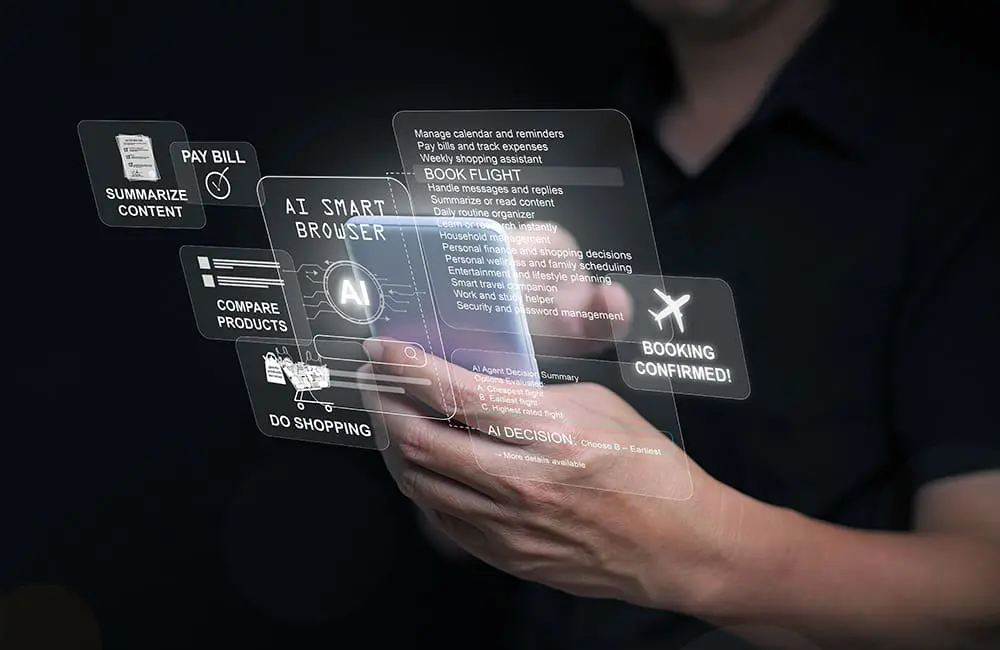
Sabre envisions a travel retail ecosystem evolving from fragmentation to flow, disparate content to connected offers, conversation to action, data overload to intelligent automation and from siloed systems to seamless retailing.
The result? Smarter decisions, seamless journeys and stronger connections across every part of the travel experience.
Read the full report here.
KARRYON UNPACKS: Sabre’s 2026 insights reveal that AI isn’t just transforming how travellers search, it’s redefining how airlines, suppliers and advisors connect every stage of the booking journey into a single, intelligent retail flow and why agents need to get on board now.