


South Africa’s visitor economy is already running hot in 2026. This week, Africa’s Travel Indaba brought the buyers, media and trade machinery to match.
The country recorded 2.91 million inbound travellers from January to March 2026, following a record 10.5 million arrivals in 2025, according to South Africa’s Department of Tourism. March alone brought 911,962 visitors, up 12.5 per cent on the same month last year. January and February were also in double-digit growth, up 12.4 per cent and 13.1 per cent respectively.
Against that backdrop, Africa’s Travel Indaba 2026 wrapped in Durban with organisers pointing to a major economic boost for the host city and a wider trade opportunity for the continent.

Hosted in KwaZulu-Natal under the theme “Unlimited Africa: Growing Africa’s Tourism Economy”, the show brought together destinations, operators, buyers, media and policy voices from across Africa and global source markets.
Early projections put hotel occupancy in Durban at 97 per cent across the event period. The event and related activity attracted about 9,810 delegates, including 274 hosted buyers, 637 non-hosted buyers and 404 registered media.
According to South African Tourism, Africa’s Travel Indaba 2026 generated around R240 million in direct spending and an estimated R835 million in total tourism expenditure, while supporting more than 1,122 jobs.
A trade floor for a market already moving
South African Tourism Chief Convention Bureau Officer Corne Koch said the event had shown the platform’s ability to connect Africa with the world while delivering measurable value for the tourism economy.
“Africa’s Travel Indaba 2026 has demonstrated the power of this platform to connect Africa to the world while delivering measurable value for our tourism economy,” Koch said.
“This year’s show reflects both the scale of global interest in Africa’s tourism offering and the confidence in South Africa’s ability to host world-class trade platforms.
“These figures are not just numbers, they represent trade opportunities, destination visibility, enterprise inclusion and long-term growth for Africa’s tourism economy.”
The growth story extends beyond one event. South Africa’s Department of Tourism said the sector had continued to record consecutive month-to-month increases in international tourist arrivals in early 2026, with Tourism Minister Patricia de Lille crediting collaboration between government and the private sector.
The department also cited Statistics South Africa’s Tourism Satellite Account, which found tourism directly accounted for 953,981 jobs in 2024, or 5.7 per cent of the country’s labour force.
KwaZulu-Natal keeps its grip on Indaba
Interim CEO of KZN Tourism and Film Sibusiso Gumbi said this year’s event reinforced KwaZulu-Natal’s position as host destination.
“We have proved beyond doubt that Africa’s Travel Indaba belongs here in KwaZulu-Natal,” Gumbi said.
“The focus now is to build on the lessons and momentum of this year’s event while ensuring stronger participation from all African states so that the platform truly reflects the full strength and potential of Africa’s tourism economy.”
Gumbi said KwaZulu-Natal’s presence at this year’s event reflected a deliberate focus on tourism as a driver of investment, enterprise development and long-term economic growth.
For Durban, the event gave the city another chance to make its case as a major events host, with infrastructure, hospitality, logistics and safety standards under scrutiny from buyers, media and international stakeholders.

Winile Mntungwa, Deputy Director of Durban Tourism within eThekwini Municipality, said the quality of participants was expected to translate into longer-term business outcomes.
“The confidence shown by delegates, buyers, media, and international stakeholders confirms Durban’s readiness to host world-class events through our strong infrastructure, hospitality, logistics, and safety standards,” Mntungwa said.
“What has been particularly exciting is the quality of participants, both regionally and globally, attending this year’s Indaba, which we believe will translate into meaningful business deals and long-term partnerships.”
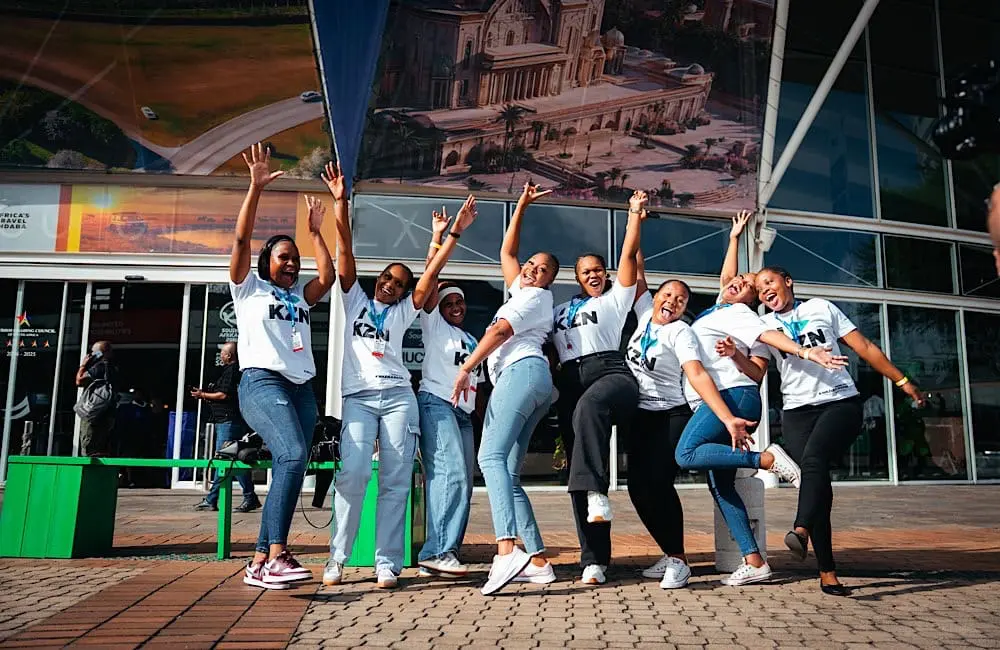
Africa’s Travel Indaba 2026 also carried a workforce development element, with about 300 Durban University of Technology tourism students taking part in event operations, ushering and delegate services.
Organisers said the student involvement gave emerging tourism professionals hands-on exposure to the business events sector while supporting long-term workforce readiness.
Africa’s Travel Indaba 2026 closed with a clean message: South Africa has the momentum, Durban can carry the room, and Africa’s tourism economy wants more of the trade.