


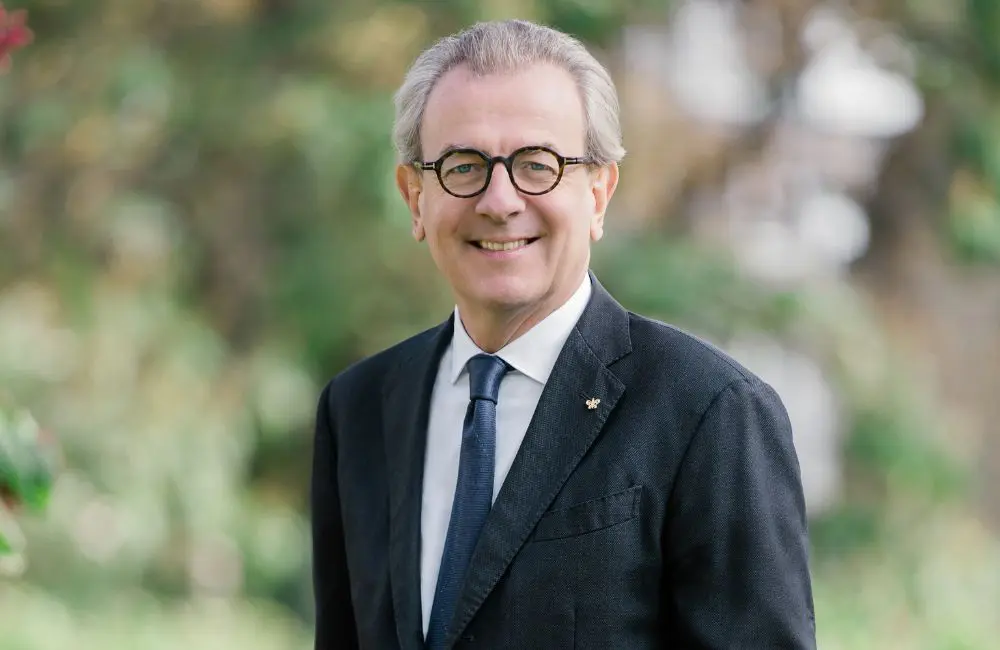
Relais & Chateaux President Laurent Gardinier recently sat down with Karryon’s luxury editor Kirstie Bedford to discuss its ambitious plan to become carbon neutral by 2040, its growth plans, overtourism, AI and how rail could be on the cards for the exclusive storied collection.
Laurent Gardinier is the first to admit he has a big job – but spinning plates is in his DNA.
He studied business and politics in Paris, then managed multiple businesses and hotels, as well as spending 17 years on the Relais & Chateaux board.
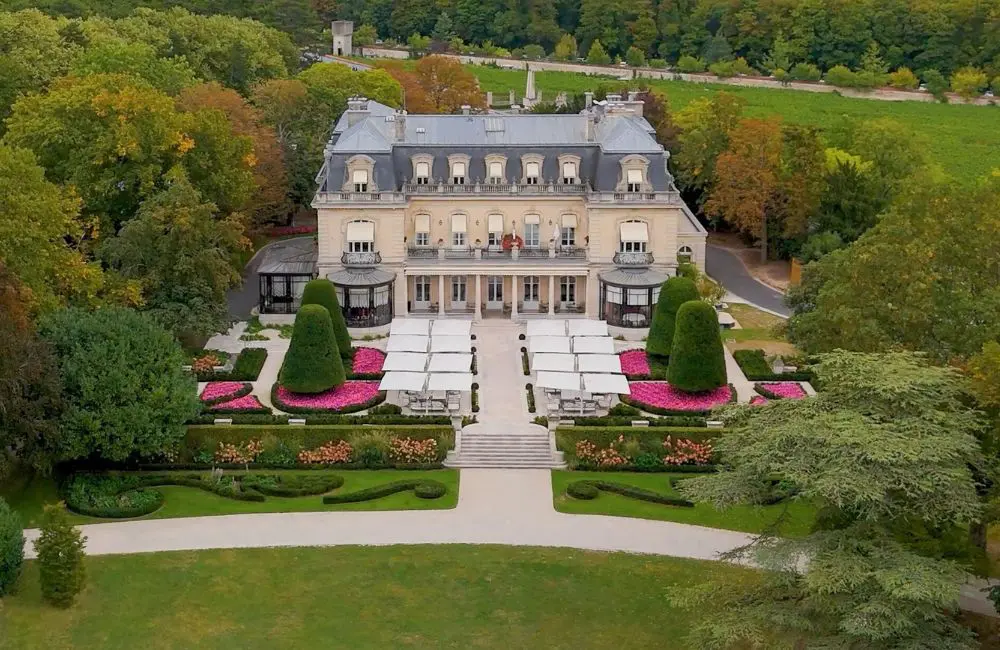
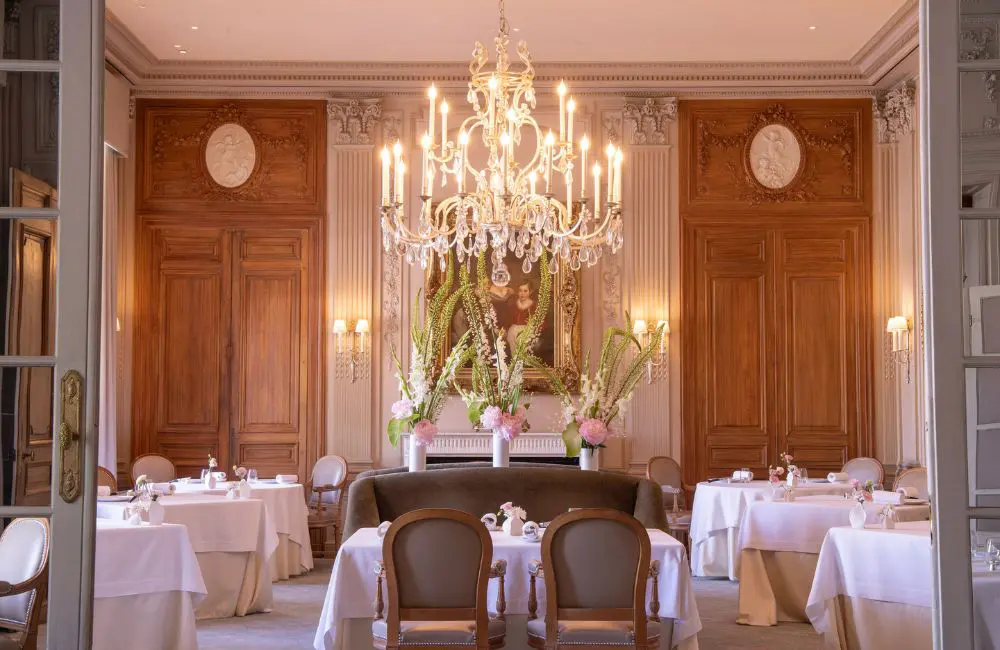
Now, as well as president of the esteemed collection, where he holds the key to ensuring each of its hundreds of independently operated hotels and restaurants upholds the brand’s enviable reputation – as well as following strict sustainability criteria, he is also co-owner of boutique hotel Domaine Les Crayères in Champagne and restaurant Le Taillevent in Paris.
Relais & Chateaux was founded in France in 1954 with eight countryside establishments between Paris and Nice and now has 580 properties across 65 countries on five continents, but Gardinier is adamant, there are no plans for mass expansion.
Entry is highly selective, and as Gardinier says, it will stay that way. There are around 600 criteria to meet should you apply to be part of the exclusive collection, with visits by multiple anonymous inspectors.
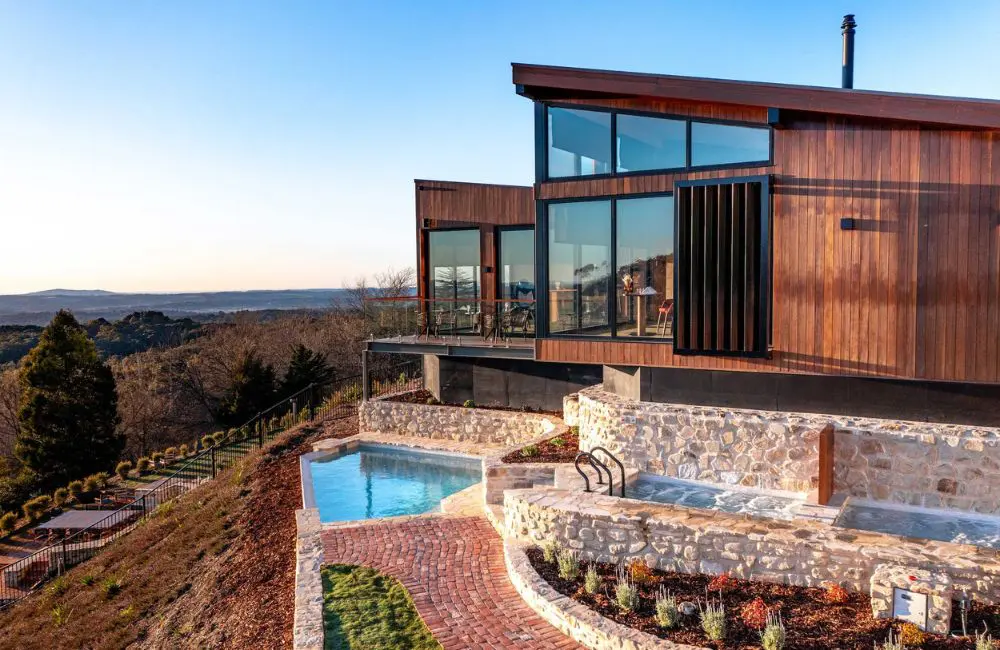
As such, only four Australian restaurants and hotels have made the cut. Laura at Pt Leo Estate on Victoria’s Mornington Peninsula, Salt Water Restaurant on Lizard Island, Lizard Island Resort and the recently added Sequoia Lodge in the Adelaide Hills.
And Gardinier isn’t shy to admit that if you don’t meet the criteria, you simply won’t be included.
“Those in Australia who are members are beautiful, but we do not see many that fit the DNA of Relais and Chateaux in Australia, even though hospitality is of a high standard.
“We are very specific in the way we find a property, and the brand is well-known in Australia, so while we don’t have so many there, many Australians discover the world through Relais and Chateaux.”
Memories the biggest movement in luxury travel
In his 20 years with Relais & Chateaux, 17 on the board before he was elected President in 2023, Gardinier says the biggest change he has seen in luxury travel is the movement from a need for a tangible asset to an emotional one.
“Everyone says consumption of luxury products is strong, but the new way of experiencing luxury is through hospitality.
“It’s an emotional one where memories and being with family and friends are more important than a tangible asset, and that explains our success because it’s what we are about, and I don’t know how long it will last, but it’s the biggest evolution we have seen in the industry.”

Sights set on sustainability
The importance when talking about sustainability, Gardinier says, is to stop greenwashing and consider it at an individual level, given that sustainability means very different things depending where you are in the world.
“We want to be carbon neutral by 2040. We are not stupid, but we want to be as close to that as possible, and for that we need to build a way to measure what we are doing, so we build carbon assets for all members, tools so they can measure what they are doing, and you have to acknowledge that in Botswana and Norway the carbon footprint would operate very differently.
“We build a sustainability score seen by the guest, because you can see what is being done at the front of house with single-use plastic, lighting and whether food is seasonal, but you can’t see what’s happening in the back of house, for instance, with electricity and where that is sourced from.
“Then to be sure that is working together, we have a sustainability commission of six members and we signed a sustainability charter with UNESCO, and we are the only hospitality organisation that has that charter on behalf of UNESCO.”
But he admits you also have to consider your global footprint and where guests are flying from.
“You can be very isolated, but if your guests are coming very far, you have to consider and measure that and make your sustainability model evolve, all while trying to make profit, so that’s why there’s a lot of value in individual plans for each member.”
Looking to the future
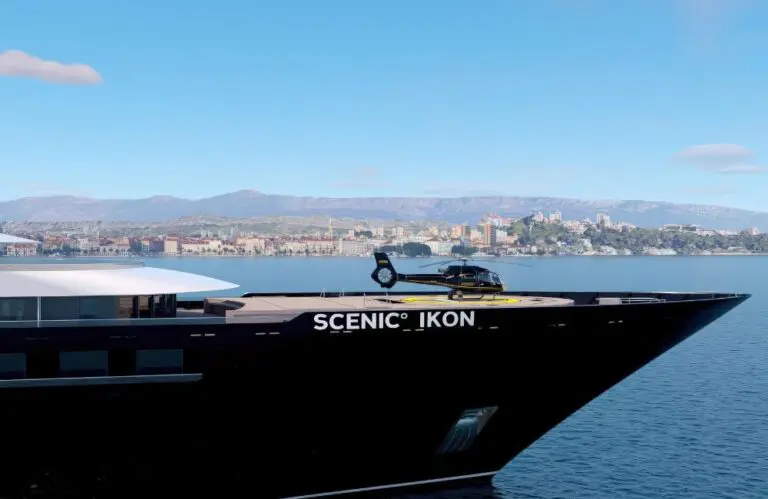
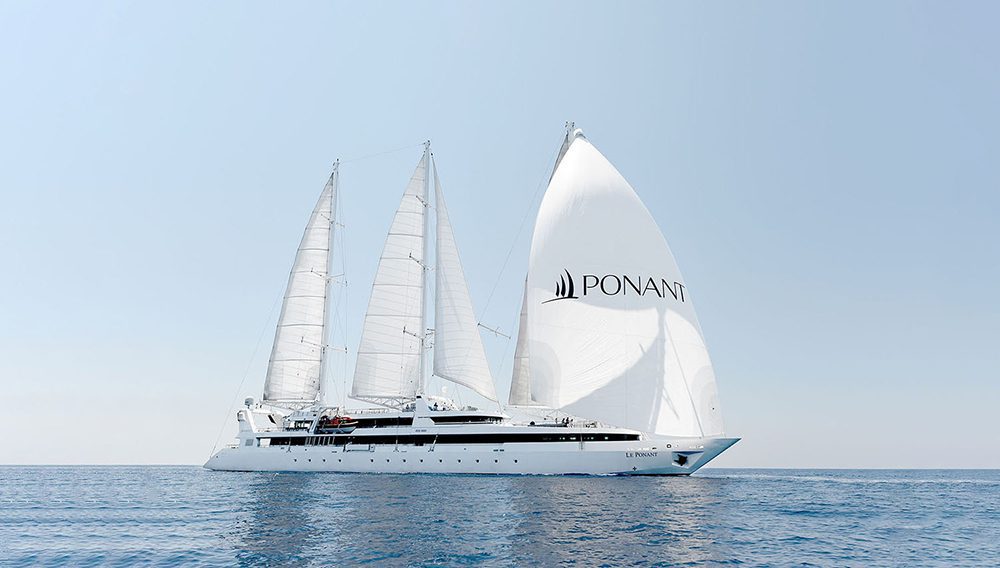
From countryside properties to restaurants, and three years ago, the three-masted sailing superyacht, Le Ponant, officially achieving Relais & Châteaux membership – the group is yet to work in rail, however, it’s something it does have its sights set on, says Gardinier.
“We have a discussion in Europe to affiliate one train with Relais, but it’s not a reality that will be achieved before three to four years.”
The focus, in this part of the world, is growing sales from southeast Asia.
“We just opened a permanent office in Singapore to cover southeast Asia, and we are trying to expand in the region.”

As to the ongoing discussion about how AI will affect the revered collection.
“We place the smile of the team at the front desk, the quality of food, smell of a garden and view when you open the curtain over AI. The essence of our business is to be human-connected,” says Gardinier.
“What will dramatically change is the way we are seen and found, the way people are searching and planning is bypassing industry, and so a lot of the industry will be strongly affected.
“So I don’t fear AI in terms of the essence of what we are doing, but of course we have to monitor and have to be aware of how we are found.”
He says overtourism is also an area of challenge for the industry going forward.
“When big countries open themselves to travel, then we’ll see overtourism like Venice. For instance, if a lot of people are coming from China or India you need to be organised. If I am in a small street in France and you have thousands more arrive, you have to control those sites because they are not made for that.
“I think that’s going to be a big challenge to preserve the quality of the experience, to ensure sustainability and quality. It’s something we need to consider.”
As for his personal plans.
“I am elected for five years, and it’s possible to be re-elected for five years more for a maximum of 10 years, and next year is the end. I will see if I run again, and after that, I will go back to my property in the same industry. It’s in my DNA, so I will enjoy that.”
For more information, visit Relais & Chateaux.