


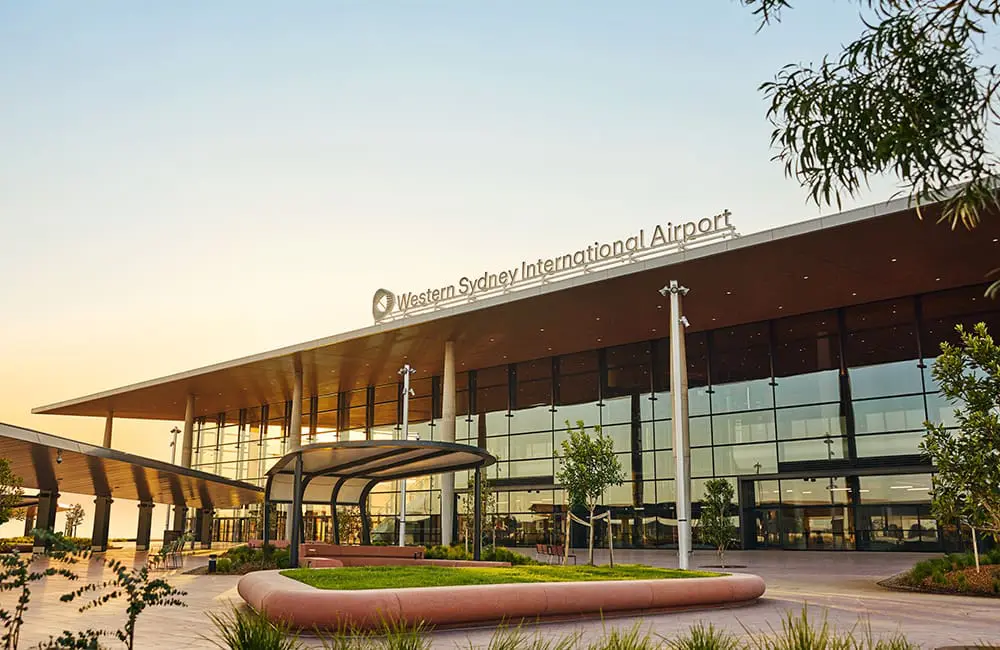
More international airline capacity has been cleared for take-off at Western Sydney Airport (WSI), with Australia signing updated aviation agreements with Qatar and the United Arab Emirates (UAE) ahead of the airport’s opening later this year.
Under the revised deals, airlines from Gulf nations – including Qatar Airways, Emirates and Etihad – alongside Aussie carriers, will gain access to seven extra passenger services per week through the new curfew-free airport.
The move opens the door for more flights into Western Sydney and boosts the hub’s push to become a major international gateway when passenger operations begin in October.
The agreement forms part of four new deals announced by the Federal Government, covering Qatar, the UAE, the Maldives and El Salvador.

The Maldives agreement may deliver the most immediate impact. It allows airlines from both countries to operate passenger and cargo services to all Australian international airports. Coinciding with the announcement, the first nonstop Melbourne-Malé flight took off this week, marking the start of direct Australia-Maldives services.
The new arrangement with El Salvador, meanwhile, allows airlines to offer codeshare services, aiming to expand network partnerships and improve connectivity between Australia and the Central American nation.
Five months to go
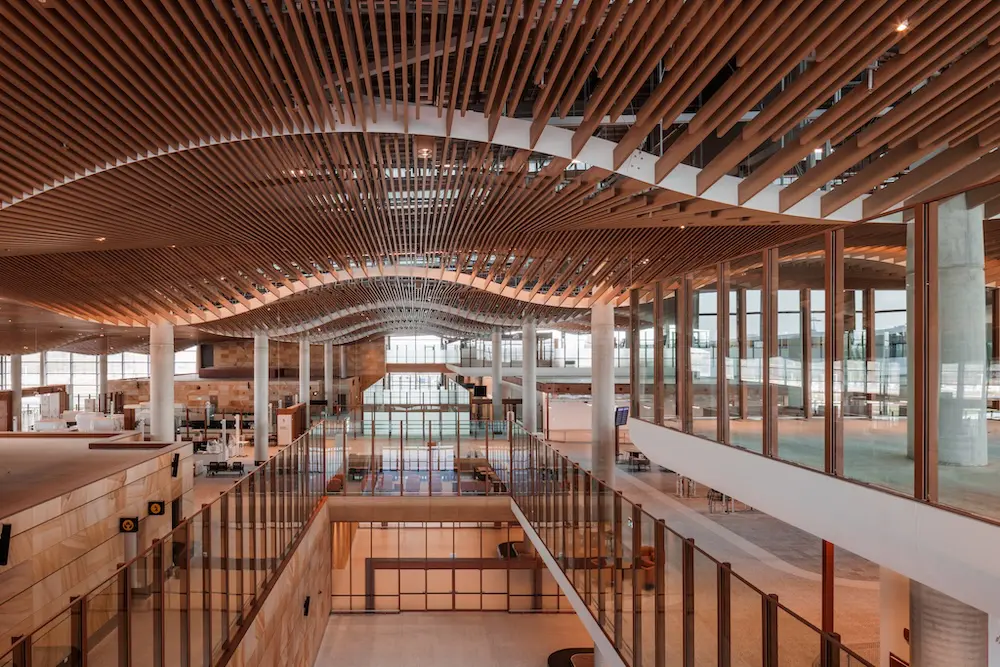
The news arrives as Western Sydney Airport continues preparations for launch.
Air New Zealand and Singapore Airlines have already confirmed international services, while Qantas and Jetstar will operate domestic flights.
With the airport operating around the clock, new capacity is expected to further boost competition, connectivity and travel choice.
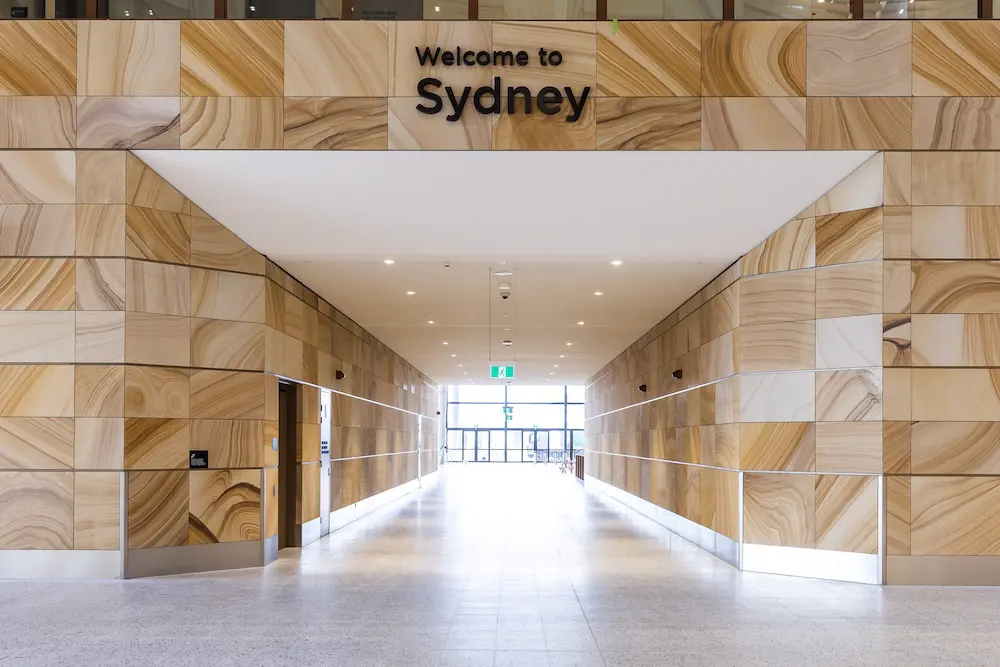
According to Destination NSW, its Western Sydney International Take-Off Fund and NSW Take Off Fund have helped attract new air services, with the WSITOF alone expected to generate more than 162,000 visitors and $530 million in visitor expenditure for NSW.
For the state’s tourism sector, the additional Gulf capacity represents a significant opportunity to attract more inbound visitors while giving Australian travellers, particularly those in Western Sydney, greater access to Europe, the Middle East and beyond via major global hubs such as Doha and Dubai.
Last year, Western Sydney welcomed 28.6 million international and domestic visitors who stayed 34.2 million nights and spent $8.8 billion in the region.
KARRYON UNPACKS: Western Sydney Airport still needs airlines, routes and transport links, but fresh Gulf access signals growing momentum. For travellers and travel advisors, more competition usually means broader choice and better fares.