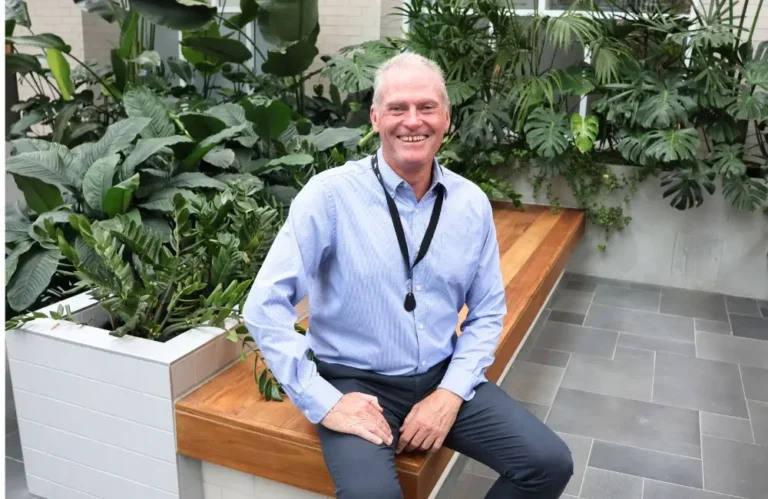




Voyages Tourism Australia CEO Matt Cameron-Smith says travel advisors who understand First Nations-led tourism will be better placed to meet what clients are already asking for: more meaningful Australian holidays, deeper connection to place and experiences led by the people who know Country best.
National Reconciliation Week runs from 27 May to 3 June under the theme All In, and Cameron-Smith says the tourism industry has a clear role beyond acknowledgement. For the tourism industry, he says that means looking at how every visitor experience helps travellers understand Country, Culture, history and the people behind the stories they hear.
“The ‘All In’ theme invites all Australians to commit wholeheartedly to Reconciliation every single day,” he said.
“For the travel industry, it’s a clarion call to move beyond National Reconciliation Week and think about how Reconciliation shows up in the everyday visitor experience.”
Cameron-Smith said travellers are asking sharper questions about whose Country they are visiting, who is sharing the stories and whether tourism is creating opportunities for local communities.

For advisors, those questions are becoming harder to ignore. According to Tourism Research Australia figures cited by Voyages, 3.0 million domestic and international trips in Australia incorporated First Nations activities in 2023–24, up from 1.5 million in 2013–14 and the highest annual number on record so far.
Worldwide, First Nations tourism is forecast to contribute $67 billion to the global economy by 2034.
“For travel advisors, this is significant because this is increasingly what clients are looking for,” Cameron-Smith said.
“Meaningful support comes from consistency and genuine understanding. That means investing time in meeting and understanding the operators and communities behind them; actively selling Indigenous experiences year-round; and building them into itineraries from the outset rather than treating them as optional extras.
“Your clients will thank you when their holidays shift from amazing to transformational.”
The difference between seeing Australia and understanding it
Cameron-Smith said First Nations-led tourism plays a defining role in how Australia is understood as a destination.
“Without actually experiencing the stories, songs, art, traditions of over 60,000 years of continuous Indigenous Cultures, travellers are often only scratching the surface of a destination,” he said.
“There is nothing more distinctive about a destination than its First Nations people and Culture. It makes for a much richer experience if travellers get to understand Australia on a deeper level.”
He said travellers may arrive expecting beaches, reefs and desert landscapes, but the experiences they remember are often the ones that give those places meaning.
For many international and domestic visitors, Cameron-Smith said authentic Indigenous tourism is the part of a trip that makes Australia feel unlike anywhere else in the world.
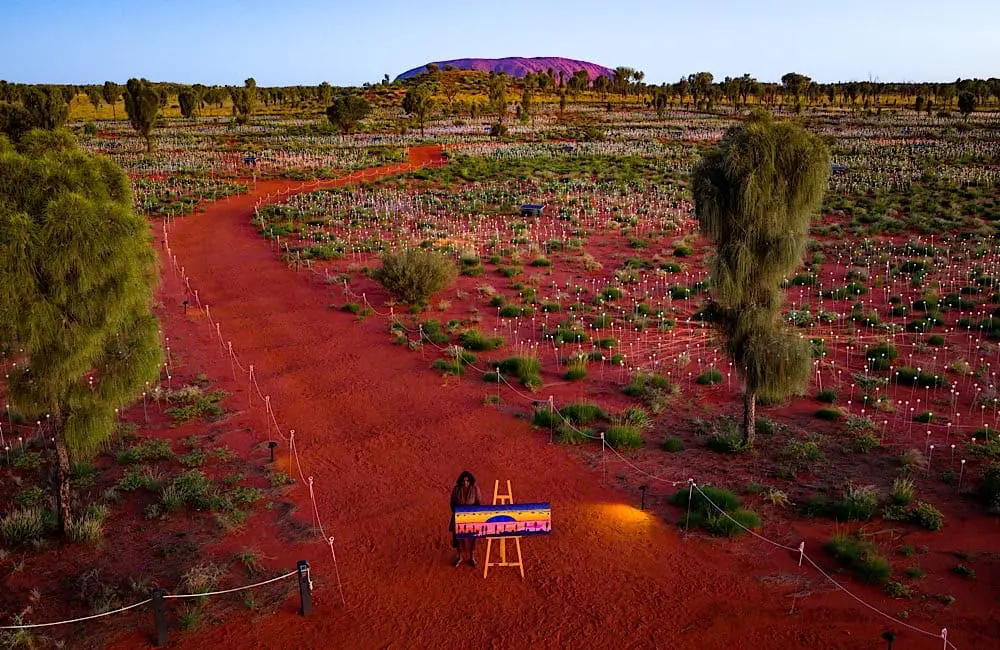
“At Uluṟu, guests often leave talking about Aṉangu stories of Uluṟu, ones that they’ve never heard before as they can only be shared on Country,” he said.
“It takes their experience to a far more meaningful place.”
What travellers want now
Cameron-Smith said modern travellers are looking for more than “Instagrammable” moments when they seek out Aboriginal-guided or First Nations-led tourism experiences.
They want to listen and learn directly from Traditional Owners, artists and guides who know Country best. They also want experiences that help them understand Culture and destination together.
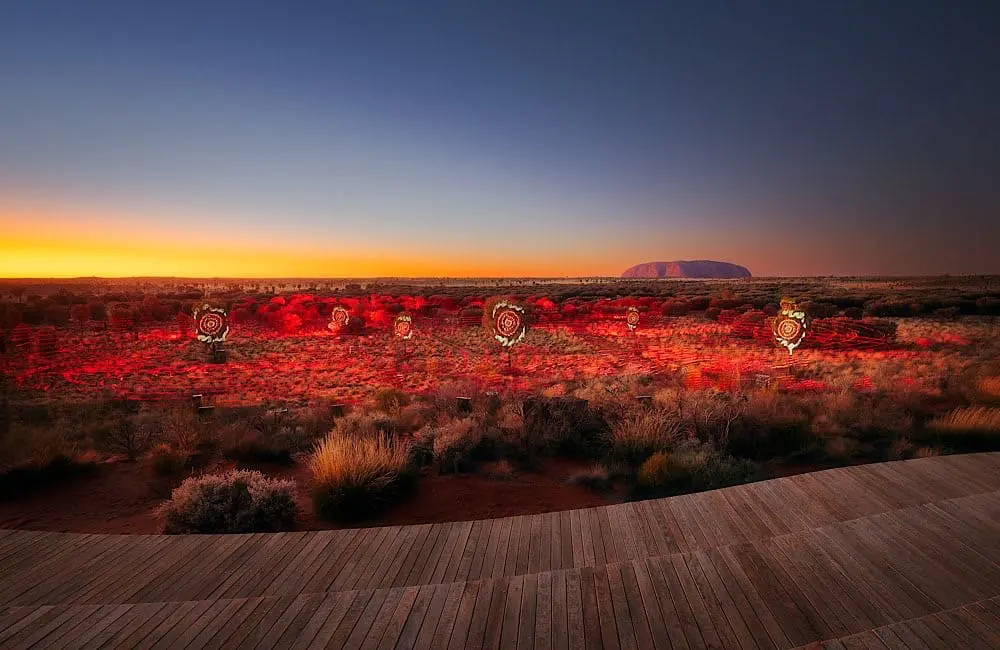
At Uluṟu, that can be seen in large-scale moments such as hearing a chapter of the Mala story beneath the night sky at Wintjiri Wiṟu, or watching Aṉangu artwork illuminate the desert during Sunrise Journeys.
It also shows up in smaller moments, from watching a dot painting come to life to learning how native ingredients such as quandong and desert lime are used in food during a free Bush Foods tour.
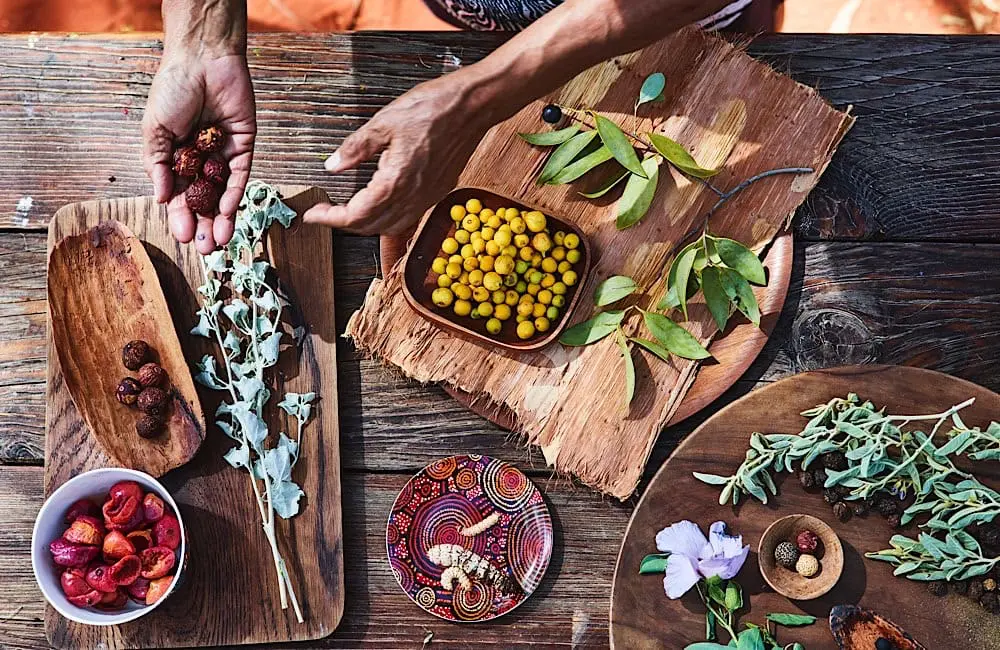
“The common thread is authenticity,” Cameron-Smith said.
“People are looking for experiences that feel specific to place and shaped by the people who know it best.”
Advisors have a bigger role than they may realise
Cameron-Smith said advisors are becoming more confident selling First Nations experiences as they see how strongly these products resonate with travellers.
But he said knowledge remains one of the industry’s biggest opportunities.
“Confidence is definitely growing as advisors can see how strongly these experiences resonate with travellers,” he said.
“Those with the first-hand experience and knowledge will be best placed to tap into this huge growth opportunity into the future.”
Recent Tourism Australia research found some of the major barriers to choosing Indigenous experiences included a lack of understanding of the Culture, or concerns about authenticity.
Cameron-Smith said this is where advisors can play a critical role, helping clients move past uncertainty and towards respectful, Culturally safe travel.
“The biggest shift happens when advisors experience these products first-hand,” he said.
“Once someone has sat in the desert listening to an Indigenous star talker, it becomes much easier to explain the experience to clients.”
For advisors who cannot experience the product in person, Cameron-Smith said the next best move is to speak with relevant sales contacts who can provide deeper product knowledge.
“The more advisors listen and learn themselves, the more confidently they can guide travellers towards these experiences,” he said.
Where the trade can get it wrong
Cameron-Smith said one of the most common mistakes in selling First Nations tourism is trying to squeeze Cultural experiences into tight itineraries.
“There’s a tendency to cram Cultural experiences into tight itineraries, when often the most meaningful moments happen when guests slow down enough to ask questions, listen and spend more time on Country,” he said.
Another mistake is treating different Indigenous Cultures as interchangeable.
“Every community, story and experience is different,” he said.
“Aṉangu, for example, make up one of the world’s oldest continuing living Cultures; they’re deeply connected to Country through their own forms of storytelling, art, language, food and traditions passed through generations.
“It’s a Culture that’s very much alive, and very unique to Uluṟu.”
What respectful selling looks like
For Cameron-Smith, respectful selling starts with curiosity.
That means understanding whose Country a destination sits on, who is sharing the story, and why an experience carries significance beyond the headline attraction.
At Uluṟu, he said that can be as practical as preparing guests properly before they arrive.
This might include explaining why climbing stopped, why some places should not be photographed, and why hearing directly from artists and guides through tours created by Traditional Owners gives travellers a richer experience than simply observing.
It also means encouraging clients to stay longer.
“Guests who spend more time engaging with Culture; whether through GoCA, free daily Indigenous experiences, or dawn and night experiences, almost always leave with a deeper connection to the destination,” he said.
How Voyages builds experiences with Aṉangu
Cameron-Smith said experiences at Ayers Rock Resort are developed alongside Aṉangu, the Traditional Owners, from the outset.
Wintjiri Wiṟu involved several years of collaboration with an Aṉangu Working Group, including guidance around Indigenous Cultural and Intellectual Property and artist rights.
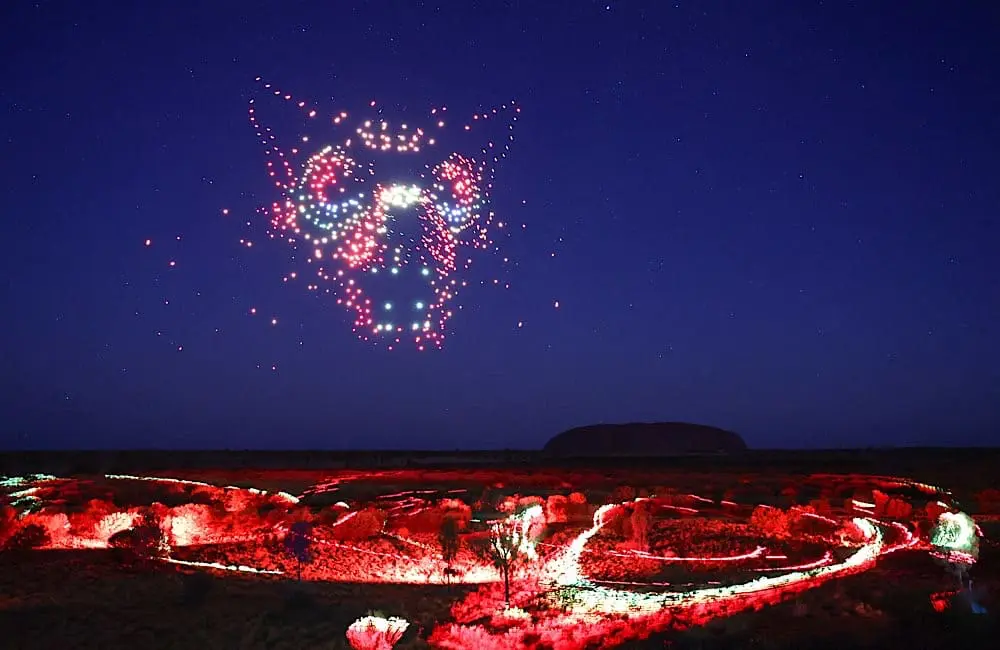
Sunrise Journeys centres artwork created by Aṉangu women artists Selina Kulitja, Denise Brady and Valerie Brumby, with their stories and connection to Country shaping the entire experience.
The relationship also extends beyond guest programming.
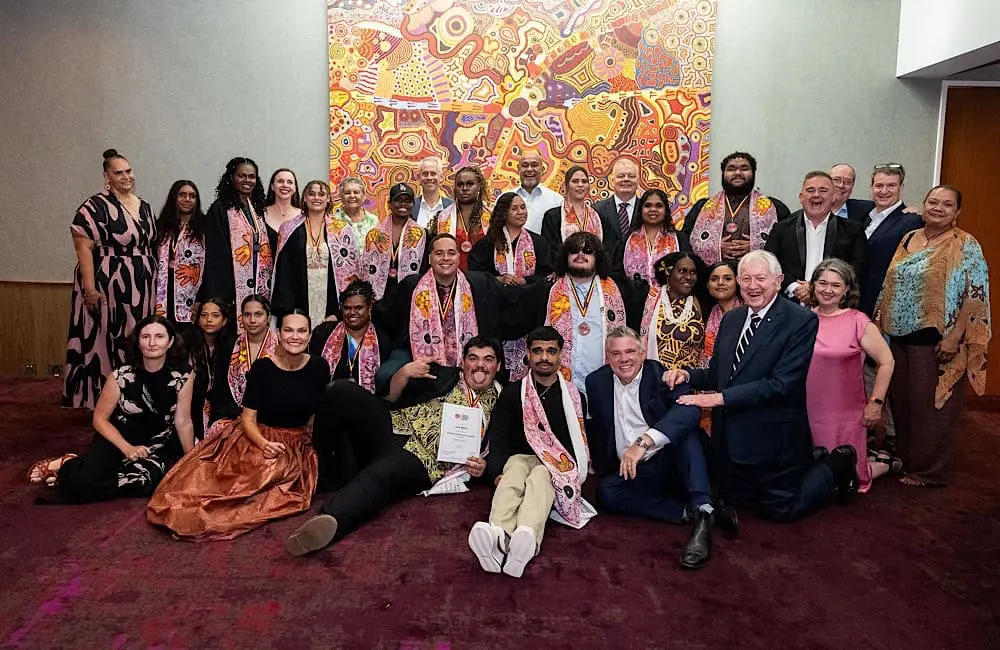
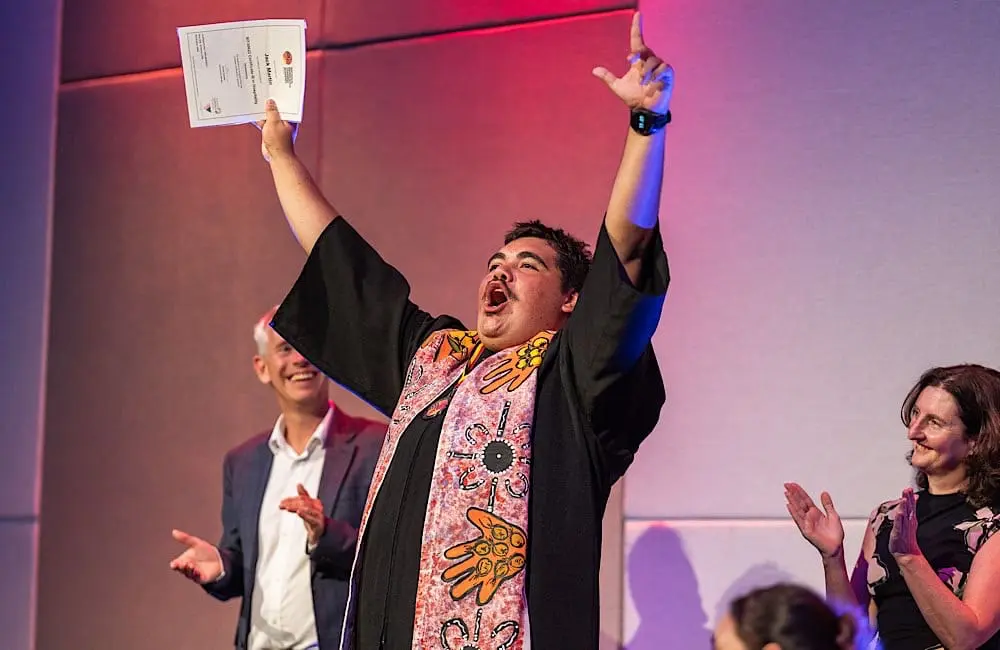
Through the National Indigenous Training Academy, Voyages delivers paid traineeships and career pathways in hospitality, tourism and retail at the resort.
Guests can see that journey first-hand at places such as Kulata Academy Café, where trainees gain hands-on experience.
Voyages also supports community-led projects through the Aṉangu Communities Foundation across health, education, Cultural preservation and social wellbeing, helping ensure tourism creates long-term opportunity and benefit for Aṉangu communities.
The sunrise experience drawing tears
At Uluṟu, Cameron-Smith said Sunrise Journeys has become one of the resort’s highest-rated guest experiences, which he said reflects a wider shift in traveller interest.
“Guests aren’t just watching a sunrise; they’re sitting in silence as the desert slowly comes to life around them, hearing Aṉangu stories and music while artwork created by Aṉangu women artists lights up before them,” he said.
“It feels intimate, grounded and deeply connected to Country. We see a lot of tears, and that emotional connection is what people respond to so strongly.”
Cameron-Smith said the trade can support First Nations tourism in a meaningful way by building these experiences into itineraries from the outset rather than treating them as optional extras.
That means investing time in understanding operators and the communities behind them, actively selling Indigenous experiences year-round, and making them part of the core holiday conversation.
“Your clients will thank you when their holidays shift from amazing to transformational,” he said.
His message to travel advisors is that First Nations tourism is often the part of the journey clients talk about most when they return.
“So much of our feedback revolves around expecting to tick an item off a bucket list, and instead, having a life-changing experience,” he said.
“They realise there’s so much more to Uluṟu than they ever expected. The rich Aṉangu Culture, the songs, the Tjukurpa, the storytelling, the art, really blows them away.
“That’s the value of Indigenous tourism when it’s done properly and in consultation with community. It can create a connection people carry with them forever.”
Reconciliation Week at Uluṟu
At Uluṟu, Voyages is marking National Reconciliation Week with special events designed to bring Aṉangu voices and stories to the centre of the visitor experience.
The program includes its Sunrise Journeys showcase and Canvas Connections tours at the Gallery of Central Australia, where guests can explore artworks reflecting moments of Reconciliation and resistance.
A curated Walk Through Time display will also highlight key moments in Australia’s shared history.
But Cameron-Smith said Voyages’ Indigenous-led programming is not confined to Reconciliation Week.
“Our Indigenous-led programmes aren’t unique to Reconciliation Week,” he said.
“They’re year round, ranging from collaborating with Aṉangu on experiences like Wintjiri Wiṟu and Sunrise Journeys every step of the way, through to the National Indigenous Training Academy, which has helped more than 750 Aboriginal and Torres Strait Islander trainees build careers in tourism and hospitality.”