



World Expeditions is urging the tourism industry to move beyond carbon offsetting toward real emissions reduction, while expanding trip-by-trip carbon labelling and annual footprint reporting across its operations.
Every World Expeditions trip now carries a Carbon Label, giving travellers an estimated CO2 footprint of their journey before they book. Designed to work like a nutritional label on food packaging, the system provides CO2 estimates intended to help travellers understand their impact and hold the operator accountable for ongoing reductions.
The adventure travel company, founded in 1975 on human-powered travel and environmental responsibility, used the lead-up to World Environment Day on 5 June to argue that climate action can no longer rely on offsetting alone, and that transparency, accountability and reducing emissions at source must define responsible travel.
For travel advisors selling adventure and small-group touring, the labelling gives a concrete, client-facing answer to the growing number of travellers asking about the environmental impact of their trip.
What World Expeditions is actually changing
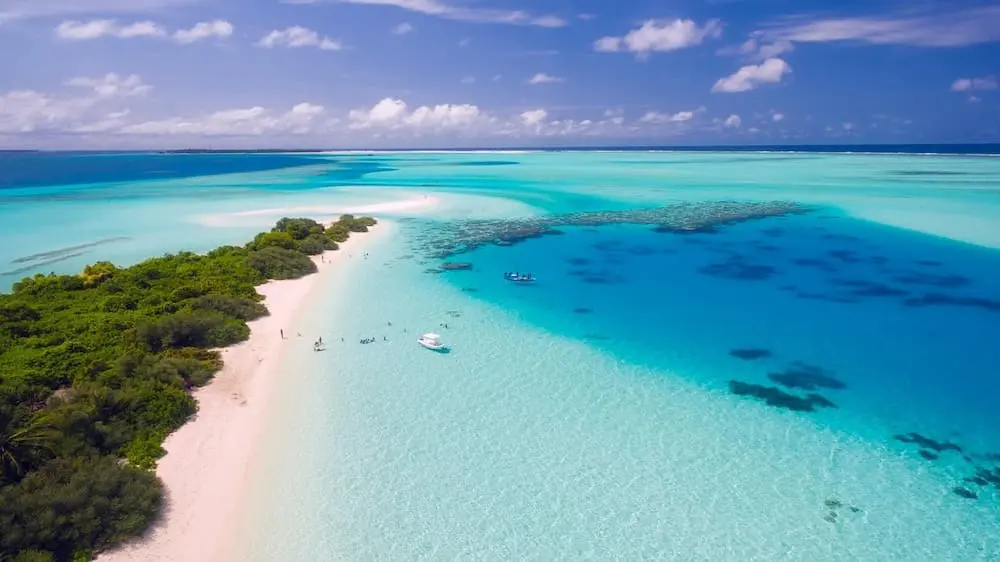
The company is strengthening its climate measures through trip-by-trip carbon labelling, annual footprint reporting and emissions reduction strategies across its operations and supply chain.
A key reduction initiative involves working with accommodation providers and encouraging them to measure their impact using the e-collective accommodation calculator, which estimates an accommodation’s total annual carbon footprint and its footprint per room per night. The tool benchmarks results against national averages, helping operators understand their relative impact and identify where to improve.
Alongside this, the World Expeditions Foundation’s Regenerative 2030 program supports projects aligned with carbon action and regeneration that goes beyond minimising impact.
The company also continues its long-running “10 Pieces” campaign, which encourages travellers and guides worldwide to collect at least ten pieces of litter while exploring trails and natural environments.
Why offsetting is no longer enough
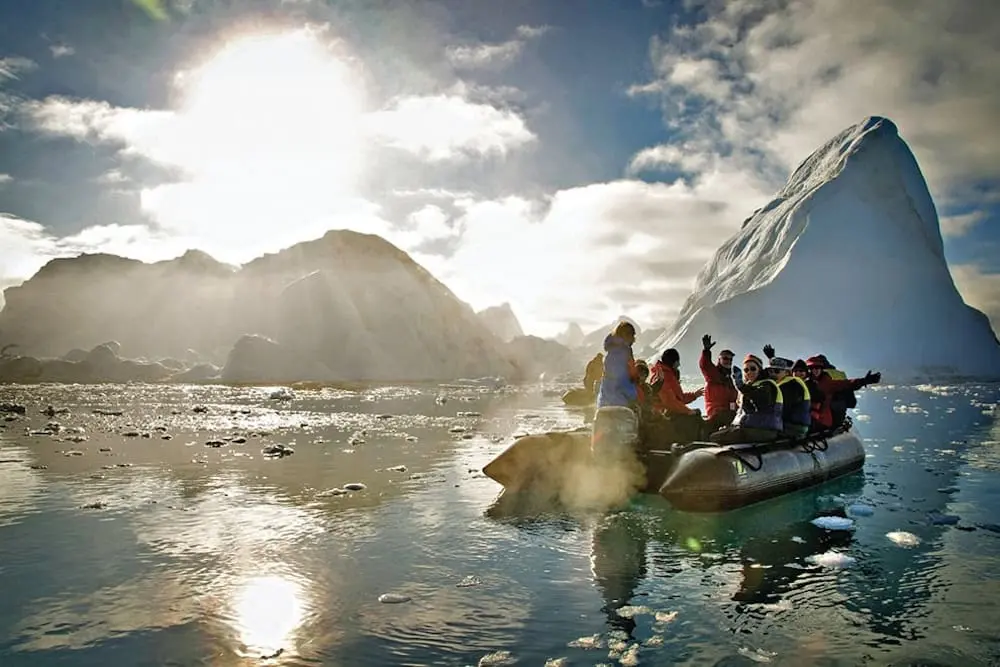
World Expeditions CEO Sue Badyari said the industry depends on the environments it is also helping to damage.
“We acknowledge that the travel industry depends entirely on healthy natural environments and stable communities, yet tourism is contributing to the climate crisis threatening those very places,” Badyari said.
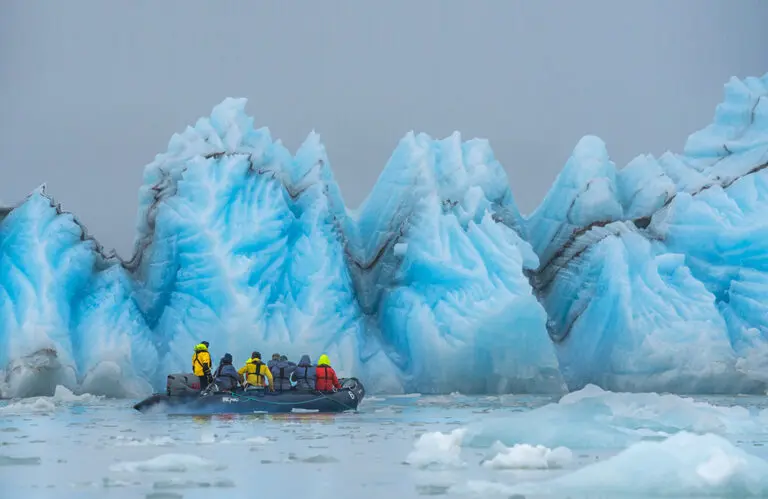
“It’s no secret that the impact of climate change is already being felt across the environments and communities in which we operate, from melting glaciers and biodiversity loss to increasingly unpredictable weather patterns affecting remote regions and local livelihoods.
“Climate action can no longer rely on carbon offsetting alone. We have sharpened our focus on transparency, accountability and reducing emissions at source.”
What it means when clients ask about impact
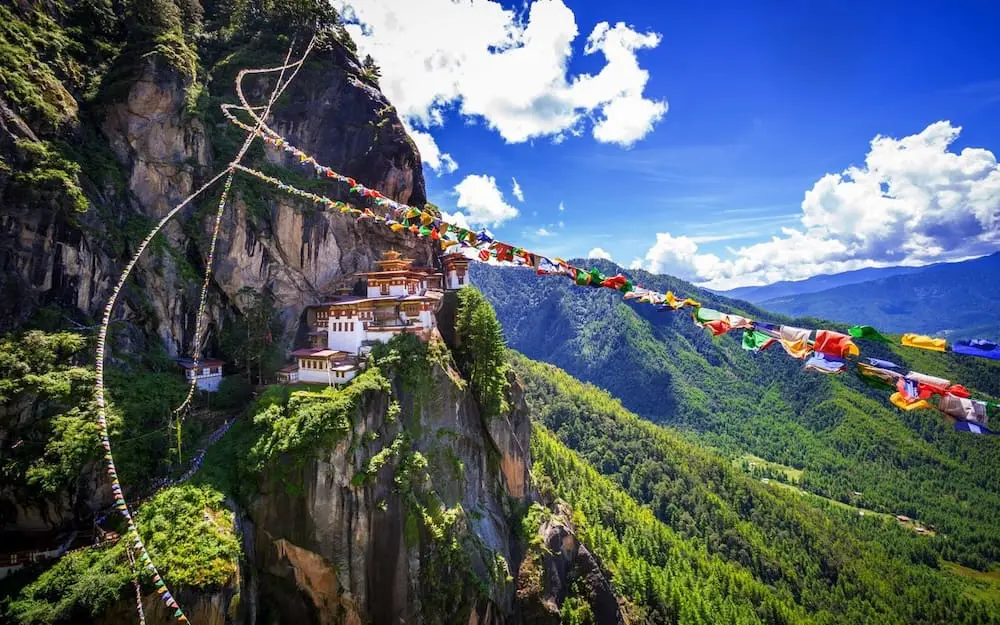
Badyari said travellers increasingly want to understand the environmental impact of their choices, and that the industry should make that information easy to access. The push comes as the operator also strengthens its sales leadership, recently promoting Pam Dewar to National Sales Manager.
“Carbon labelling is about accountability, but it’s also about encouraging better conversations around what responsible travel looks like in a climate-conscious future,” she said.
“Travel has the power to build understanding, support conservation and strengthen communities, but the industry must also be honest about its environmental impact.
“We believe transparency, accountability and continuous improvement are essential if tourism is to remain a positive force in a climate-changed world.”
KARRYON UNPACKS: Sustainability questions are no longer fringe at the point of sale, and a clear footprint figure on every itinerary hands advisors a tangible talking point for clients weighing their impact. For the operator, putting the numbers in front of travellers also raises the bar on being seen to act on them.
All images courtesy of World Expeditions