



As visitor numbers to Antarctica have grown in the past 30 years, so has concern about the effects of tourism on this vast and vulnerable wilderness. We sit down with HX’s Antarctic Ambassador Tudor Morgan to ask the hard questions about how expedition ships are impacting the region.
Until 2001, fewer than 200,000 people had visited Antarctica, including explorers and scientists. The latest official report from IAATO, the International Association of Antarctica Tour Operators, put the total 2024-25 visitor numbers at 118,491, after a record 122,072 in the 2023-24 season.
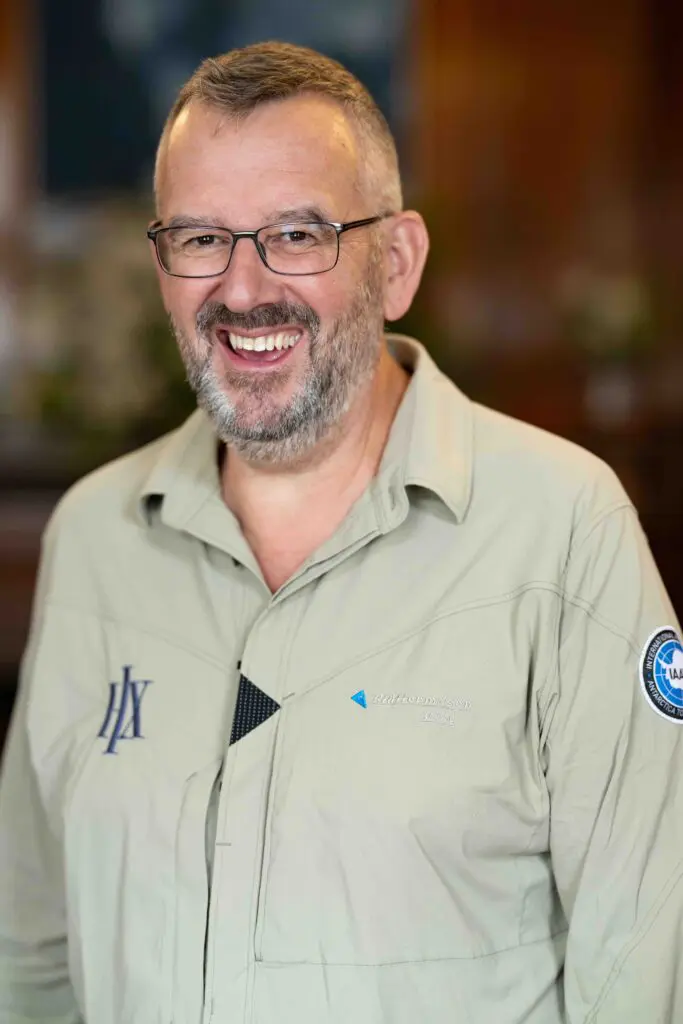
Given HX is a global leader of expeditions to Antarctica, we sat down with HX’s Antarctic Ambassador Tudor Morgan, who has 32 years of experience as an expedition guide and leader, to discuss some of the concerns shared by the expedition cruise industry, environmentalists and eco-aware travellers about the growing numbers entering this fragile part of the world.
Morgan served on the executive committee of IAATO for five years – including two as Chair – and currently sits on the Gateway and Compliance Dispute and Resolution Committee (CDRC) as well as the Managing Growth Working Group, and talks about the work already underway to ensure Antarctica isn’t overrun by expedition ships.
A 2025 report estimated that tourist numbers to Antarctica could increase to 450,000 by 2033 – is that realistic?
“That estimate appears unrealistic, as mathematical modelling alone is not a reliable way to predict Antarctic tourism.
“There are significant practical constraints, particularly around ship availability and the requirement for vessels to comply with the Polar Code. While there was a surge in new shipbuilding after the code came into force in 2017, the market has since slowed, with very few new vessels being built or ordered. As a result, overall visitor numbers are likely to remain relatively stable over the next five to seven years.”
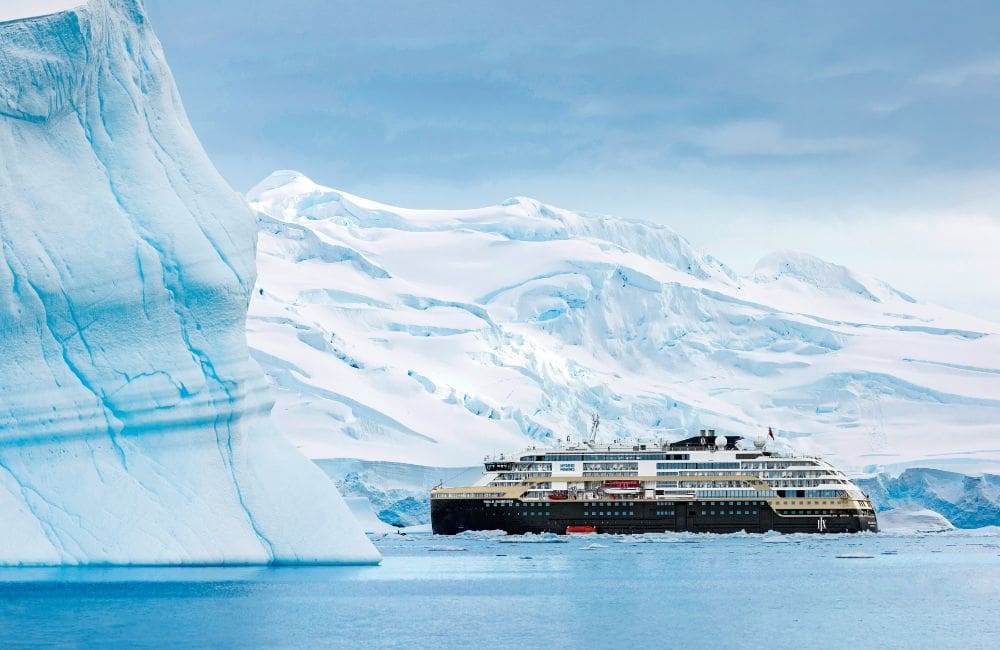
He says it’s also important to differentiate between types of tourism: large “cruise-only” ships can temporarily inflate figures by bringing up to 2,000 passengers without landing, whereas expedition ships carrying 50 to 500 guests represent a more stable segment.
“Deep-field tourism is growing slightly but remains small overall. Although an increase in large cruise deployments could cause short-term spikes, high operational costs and limited fleet growth mean that a figure like 450,000 is likely well overstated.”
Should there be caps on visitor numbers in any given season and/or the most-visited areas such as the Peninsula?
“A strict numerical cap would be a blunt tool and not the most effective way to manage tourism because it does not account for environmental conditions or the vast scale of Antarctica.
“Instead, parties to the Antarctic Treaty System and IAATO members are already working on refining a more nuanced framework.
“The Treaty system itself presents challenges in implementation and enforcement, and tourism is often an easy focus despite already being highly regulated – especially compared to other environmental issues.
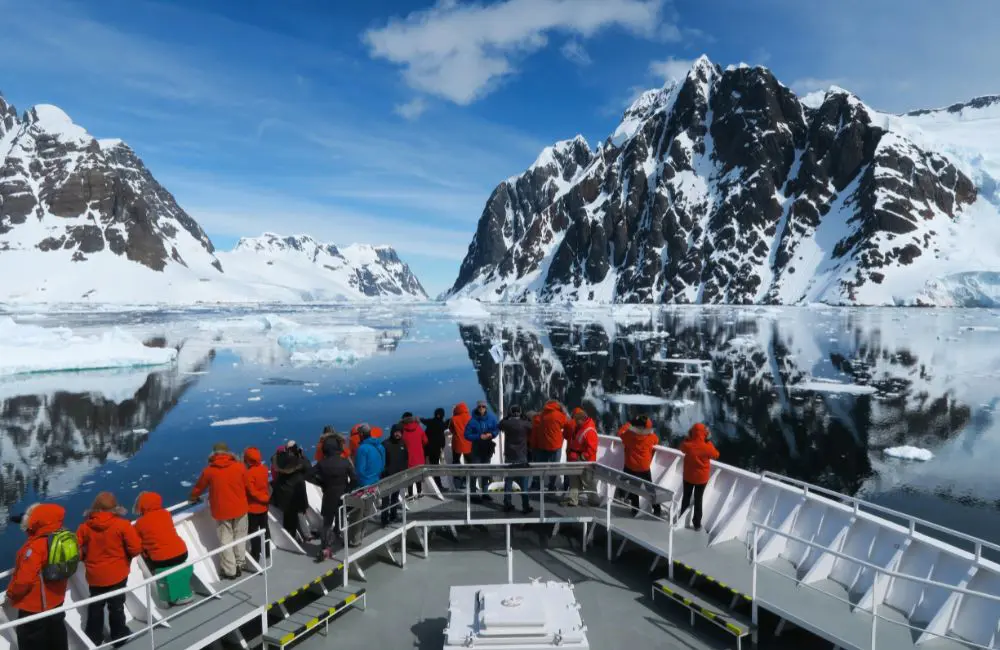
“Existing measures are stringent: site-specific guidelines limit the number of ships and visitors per day, no more than 100 people can be ashore at any one time, and vessels carrying more than 500 passengers are not permitted to land.
“The current approach focuses on site-by-site management, though there is growing discussion around adopting broader spatial strategies, particularly in areas where landing sites are close together.”
Will fly-cruise Antarctica trips increase the number of visitors over the next few years?
“Fly-cruise trips are becoming increasingly popular, particularly with markets such as the United States, where travellers have limited annual leave and value shorter itineraries.
“This will likely lead to some growth in visitor numbers; however, the overall impact will remain relatively small. Aircraft capacity and limited runway infrastructure inherently restrict the scale of these operations.
“Additionally, flying to and from the Antarctic Peninsula is operationally challenging due to unpredictable weather, including fog and strong winds. While cancellations are rare, delays and disruptions are common. As a result, although the segment will grow, it will only contribute a modest proportion of overall tourism increases.”
Do any cruise operators take people to Antarctica without being an IAATO member?
“A small number of operators do visit Antarctica without IAATO membership, although this is relatively uncommon.
“It typically occurs when a company conducts a one-off or special voyage and does not see value in joining the organisation. In such cases, IAATO still cooperates with these operators and provides support where appropriate, reflecting a shared industry understanding that everyone has a responsibility to operate safely and sustainably.
“There are also a few non-IAATO yacht operators operating independently. However, regardless of membership status, all operators must comply with the Antarctic Treaty System and the permit requirements of their national authorities.”
How does IAATO monitor its members’ activities in Antarctica – and if regulations are found to have been breached, what are the consequences?
“IAATO uses a range of mechanisms to monitor compliance among its members. A key component is its observer scheme, where every operator’s vessel undergoes an in-person inspection by an independent observer at least once every five years.
“These comprehensive reviews assess maritime operations, technical standards, waste management and expedition practices. The process is collaborative, allowing operators to respond and address any issues identified.
“Findings are reviewed by the membership committee to identify trends and areas for improvement. IAATO also has a Complaints, Dispute and Resolution Committee to handle any issues involving members.
“Sanctions can include additional oversight or inspections and, in extreme cases, expulsion – although this has not occurred. Increasingly, public scrutiny via social media also reinforces accountability. Overall, IAATO takes its self-regulation responsibilities seriously and maintains strong compliance with Treaty obligations.”
What are the benefits of tourists seeing Antarctica firsthand in terms of preserving Antarctica’s environment and wildlife?
“Experiencing Antarctica firsthand can have a powerful impact on visitors, as people tend to better understand and care about what they directly experience.
“For many, it is a life-changing journey that fosters a strong connection to the environment. Operators such as HX recognise this responsibility and have invested heavily in onboard science and education facilities, including laboratories and museum-style exhibits, to deepen guests’ understanding of the region.
“Building on research conducted with the University of Tasmania, HX also offers a pre-departure online course covering wildlife, geopolitics and climate change, with further opportunities for university-level study and academic credit.
“This approach helps transform tourism into an educational experience, and increased awareness often leads to stronger advocacy and positive environmental action, as people are more likely to protect what they value and understand.”
For more information, visit HX Antarctica Science Course, IAATO, Australian Antarctic Program.