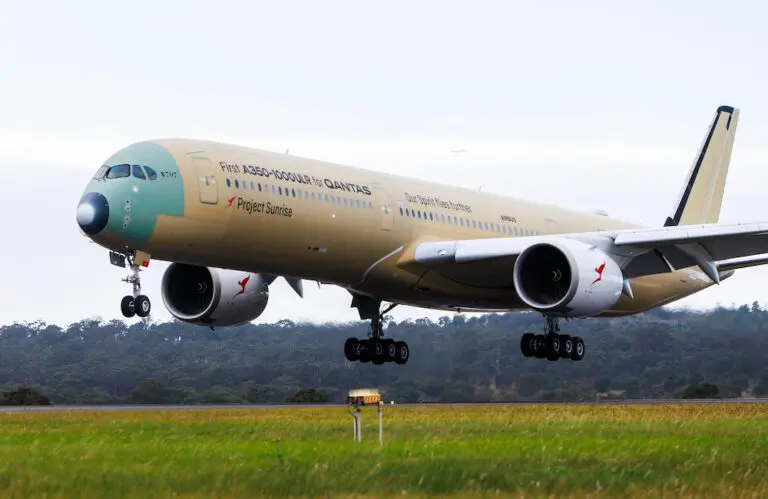




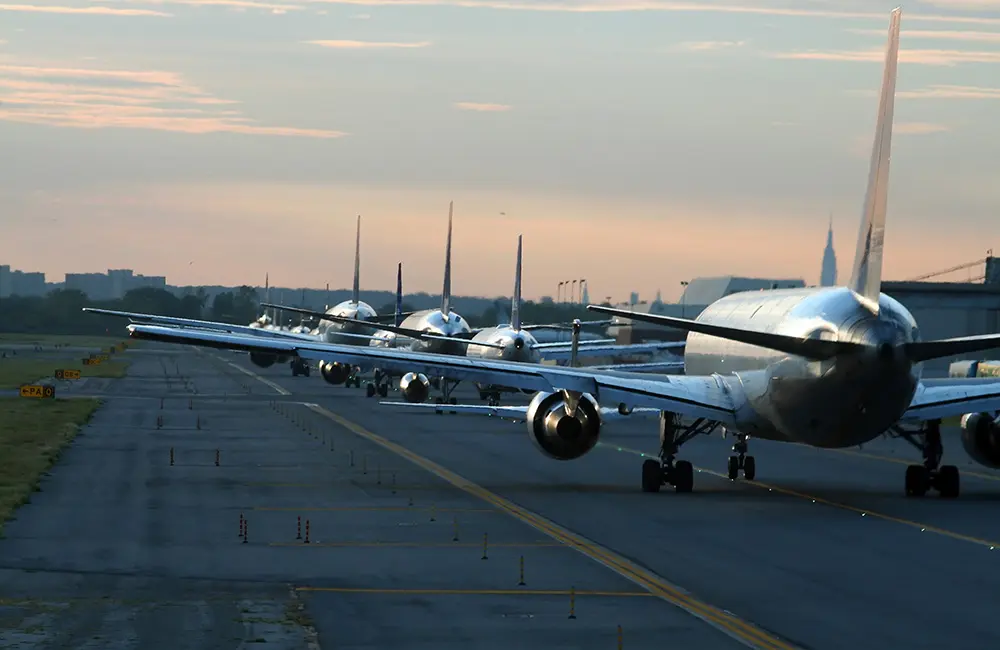
Global commercial aviation set an all-time record on 23 July 2026, with Flightradar24 counting 153,359 commercial flights in a single 24-hour period for the busiest flight day ever. What does it mean for flyers during the peak Northern Hemisphere summer?
The record-breaking figure is the highest daily total in flight tracker platform Flightradar24‘s published data set, surpassing the previous peak of 139,237 flights set during a July 2023 summer surge.
The busiest flight day record lands just weeks after International Air Transport Association (IATA) data pointed to weakening passenger demand, softer ticket sales and disruption linked to conflict in the Middle East, an apparent contradiction between how many aircraft are in the air and underlying demand.
This result continues a post-pandemic recovery trend that has pushed global aviation volumes back above pre-2020 levels during peak travel periods.
What drove the busiest flight day record?

Industry analysts attribute the record busiest flight day to the concentration of travel during the Northern Hemisphere summer, when carriers deploy maximum capacity and leisure travel peaks.
July and August consistently record the highest global airline seat capacity, while Fridays have held the record for peak annual scheduled capacity for 17 consecutive years. Tuesdays and Wednesdays typically see the lightest flight volumes and fewer airport crowds.
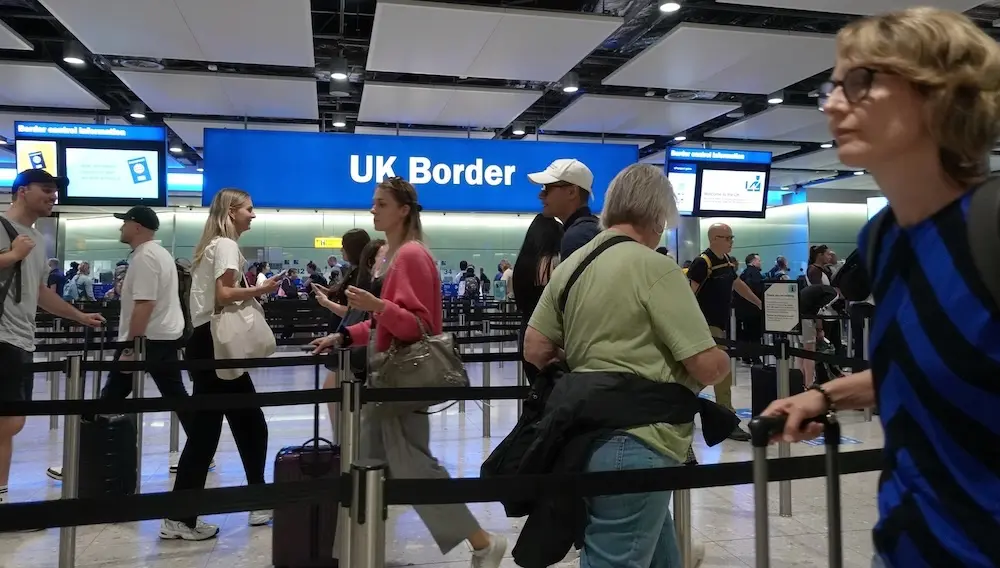
Several major carriers, including American Airlines, have announced record summer schedules, betting that travellers will continue prioritising experiences despite economic pressures.
Even as passenger demand softened earlier in the year, airlines kept scheduling large numbers of flights to accommodate summer holidays, major events and strong international demand on certain routes with premium first and business class travel booming to 109.7 million passengers in 2025.
Why the demand data tells a different story
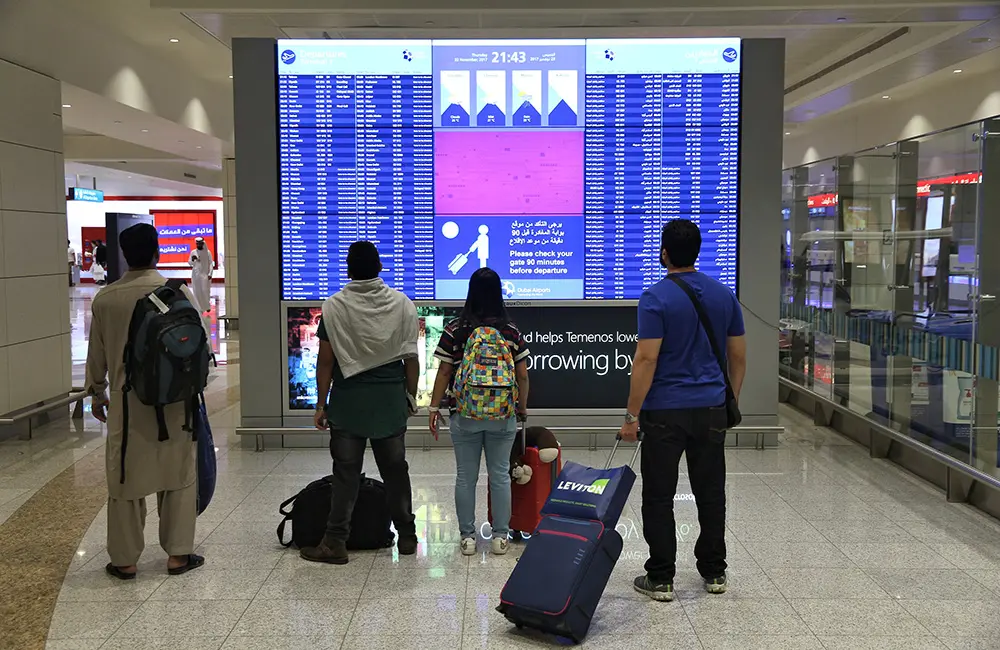
IATA reported that global passenger demand fell 2.2 per cent year-on-year in May 2026, a second consecutive monthly contraction. Domestic traffic declined 3.1 per cent, demand in the US fell 1.9 per cent and China’s domestic market dropped 6.2 per cent.
The results were not evenly spread. IATA said the May downturn was heavily influenced by the Middle East conflict, which drove a 28.4 per cent fall in traffic among carriers in the region. Excluding the Middle East, global passenger demand actually rose 0.7 per cent YOY.

Forward ticket sales for the second half of the year were down overall, including for international travel, which IATA Director General Willie Walsh said raises questions about the outlook for 2026.
“We also saw year-on-year contractions in demand in both North America and Asia, largely related to domestic market conditions in the U.S. and China,” he said.
Despite those headwinds, Walsh described overall demand as relatively resilient amid elevated fuel costs and airfares. The gap points to a key distinction: airlines can maintain high flight counts even during periods of weaker traffic growth by operating larger schedules or adjusting pricing to stimulate demand.
What it means for peak-season travel
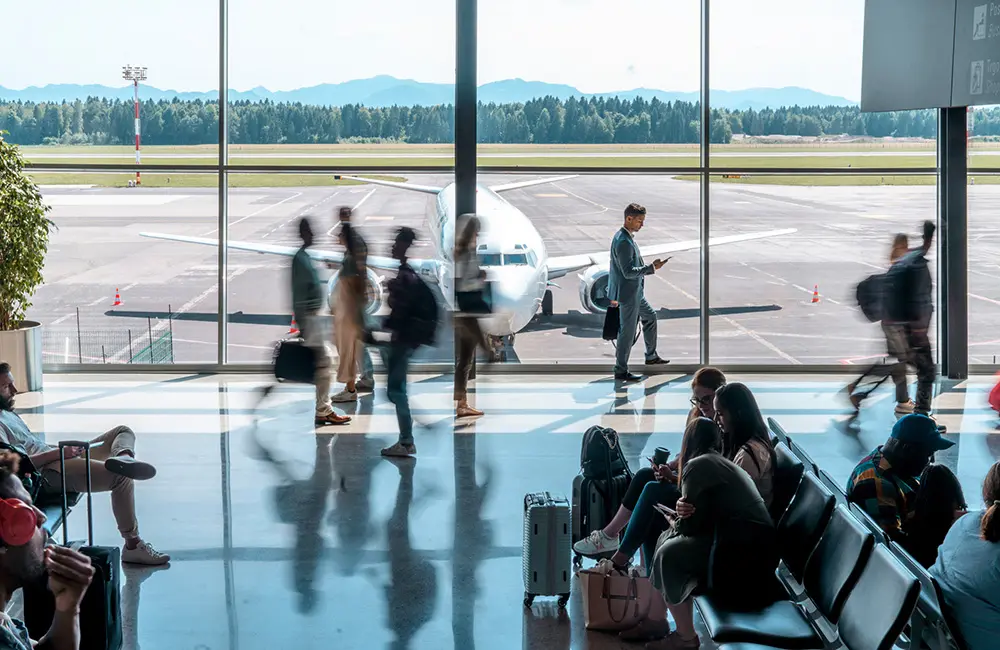
Record flight volumes push airport gates, air traffic control and ground services to their limits, lifting the risk of rolling delays, crowded terminals and tighter turnaround times.
The busiest stretch coincides with the Northern Hemisphere summer, the same window many Australians book for trips to top outbound destinations including the UK, the US, Japan and Europe, where connecting hubs sit under the heaviest strain.
KARRYON UNPACKS: A record 153,359 flights in a single day shows the skies are as full as they have ever been, even as the demand data shows otherwise. Clients flying through busy Northern Hemisphere hubs at the peak of summer will always benefit from longer connection times and travel insurance.