



From hand-rolled New York bagels to Osaka’s original fermented sushi, Intrepid Travel has compiled an “Endangered Dishes” list naming 10 of the world’s most recognisable foods it says are at risk of vanishing as climate change, overtourism and mass food production reshape local food cultures.
The list was researched and curated by Dan Saladino, author of Eating to Extinction, and food writer Yasmin Khan, drawing on their own work plus interviews with local chefs and food experts around the world.
Each dish was flagged as materially endangered (climate and environmental loss), culturally endangered (dilution through overtourism and globalisation) or craft-endangered (declining traditional skills).
For travel sellers, the timing is useful: several of the dishes sit in destinations Australians already travel to in volume, including Japan, the UK and the USA, and a number are bookable directly on Intrepid itineraries.
Which dishes made the list?
The full Endangered Dishes list spans 10 destinations:
- Cuscos Transmontanos com Coelho, couscous with rabbit stew (Lisbon, Portugal)
- Mosbolletjies, grape must buns (South Africa)
- Inanchila, a sacred sticky rice dessert made with endangered rice varieties (Northern Philippines)
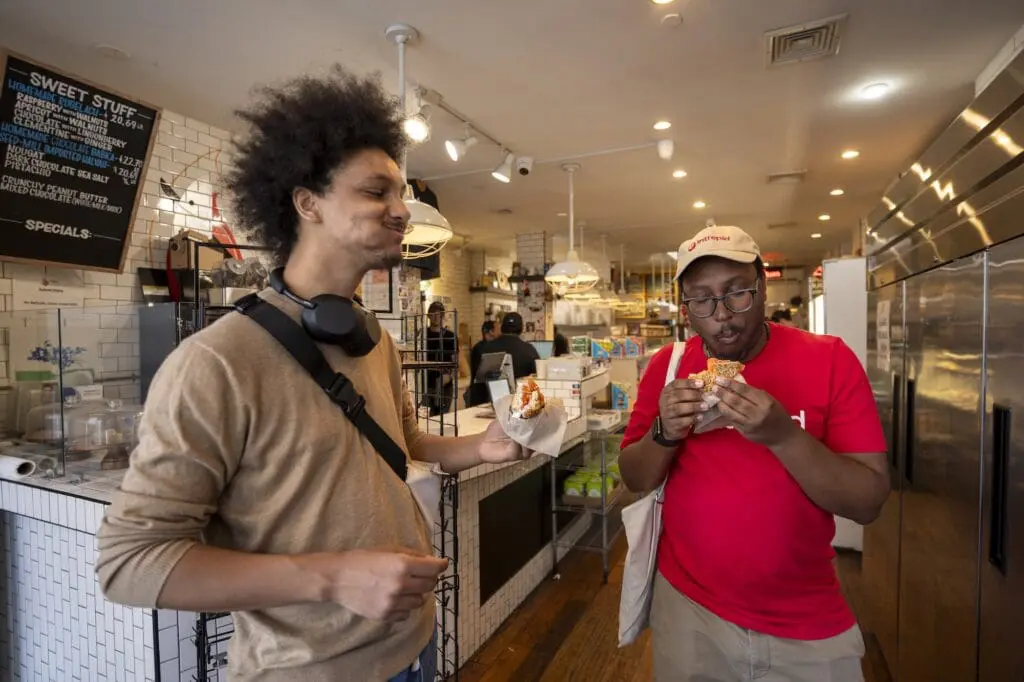
- Hand-rolled, kettle-boiled bagels (New York, USA)
- Petkhvis Cvishtvari, black millet patty (Georgia)
- Kwun Tong Gao, “jumbo soup dumplings” (Hong Kong)
- Chelsea bun (London, UK)
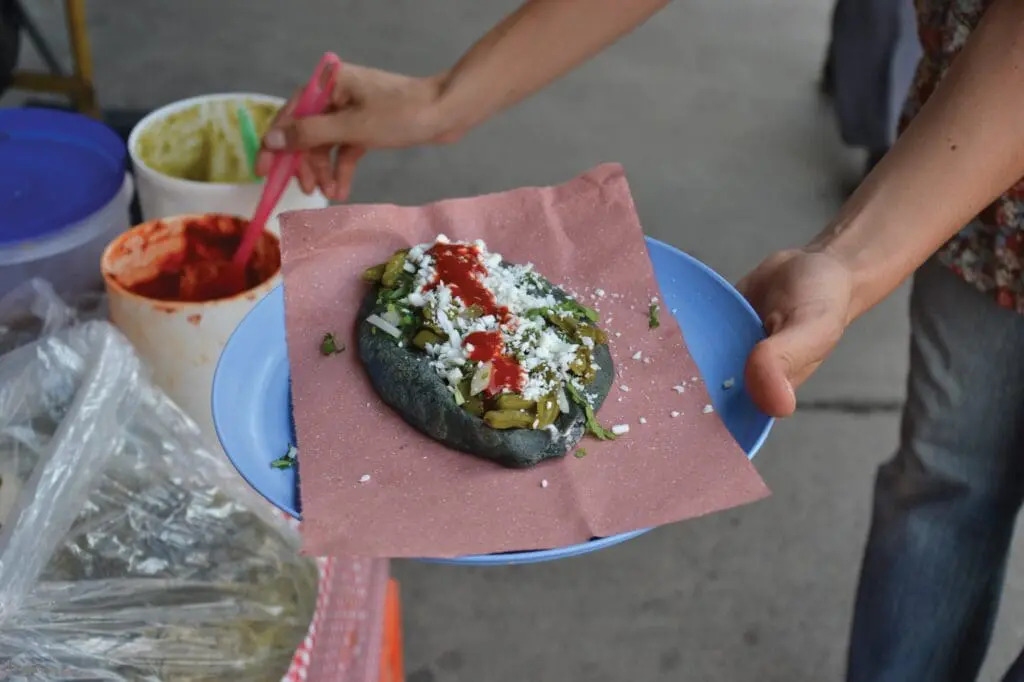
- Tlacoyos made with maíz criollo, heirloom native corn (Mexico)
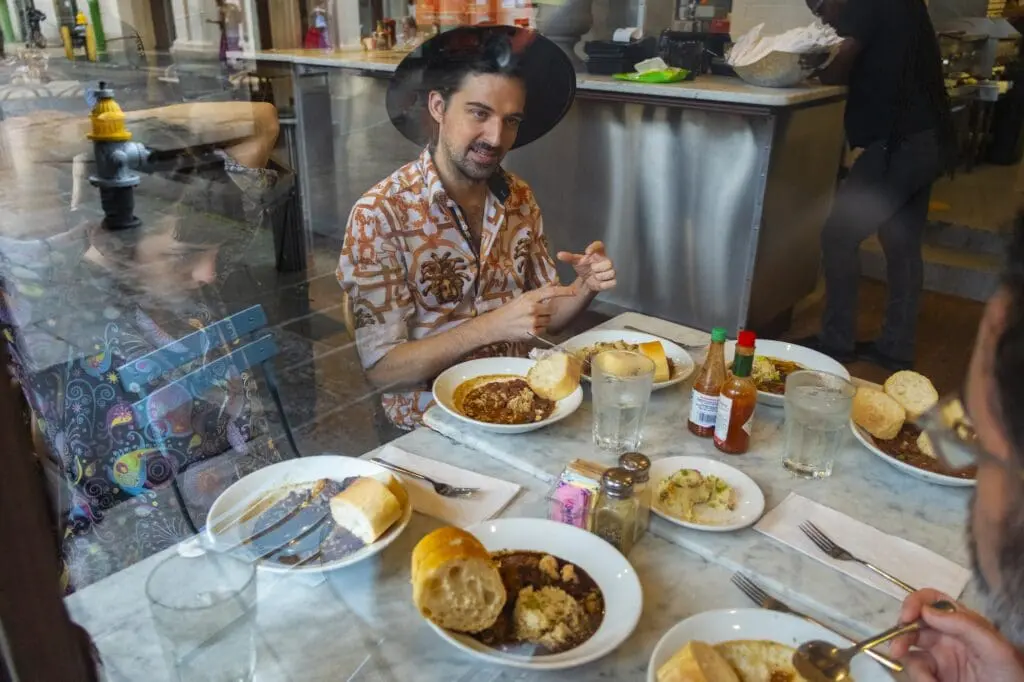
- Traditional gumbo with filé powder (New Orleans, USA)
- Funazushi / Narezushi, the original sushi (Osaka, Japan)
Among the featured dishes are hand-rolled New York bagels, increasingly replaced by industrial production methods; Hong Kong’s oversized soup dumplings, now mass-produced for tourist demand; and Inanchila, a sticky rice dessert under threat as Indigenous ingredients give way to commercially driven alternatives.
Why food is driving the booking decision
The list lands as travellers increasingly build trips around food. An Intrepid survey of more than 8,000 travellers across Australia, the US, Canada and the UK found 66 per cent consider experiencing local food and cuisine an important factor when choosing a destination, while 93 per cent agree eating locally is one of the best ways to understand a culture.
The push echoes Intrepid’s broader effort to steer travellers away from crowded hotspots, having recently launched “Uncommon Day Trips” in Barcelona, Paris and Venice amid overtourism concerns.
“So much of a destination’s culture is rooted in its food – from traditional recipes and local ingredients to the stories, customs and generations of knowledge behind every dish,” Intrepid Travel General Manager, Global Experiences, Erica Kritikides said.
“By shining a light on these at-risk dishes, we hope to highlight the role travellers can play in supporting communities to preserve their food heritage and encourage them to seek out authentic, locally-rooted culinary experiences.”
Saladino said the icons chosen were deliberate.
“We chose dishes like the New York bagel and sushi from Japan because they are, in culinary terms, global icons, yet most people don’t realise the authentic versions are actually on the brink of vanishing due to modern shortcuts and mass-market pressures.”
Where clients can actually try them

Intrepid operates 20 dedicated food tours across four continents, alongside thousands of local food experiences on more than 900 trips worldwide.
Several of the endangered dishes are bookable now: the black millet patty features on the Georgia Adventure trip, tlacoyos made with heirloom native corn appear on Mexico Unplugged and the Mexico Real Food Adventure, and traditional gumbo with filé powder is on the New Orleans French Quarter Food Experience.
KARRYON UNPACKS: Campaigns like this give food-led sellers a ready-made hook into destinations clients already have on the list, from Japan to the UK to the USA. With two-thirds of surveyed travellers naming local cuisine as a booking factor, the “eat it before it’s gone” angle is a genuine conversation starter for a culinary tour or a longer responsible-travel itinerary.